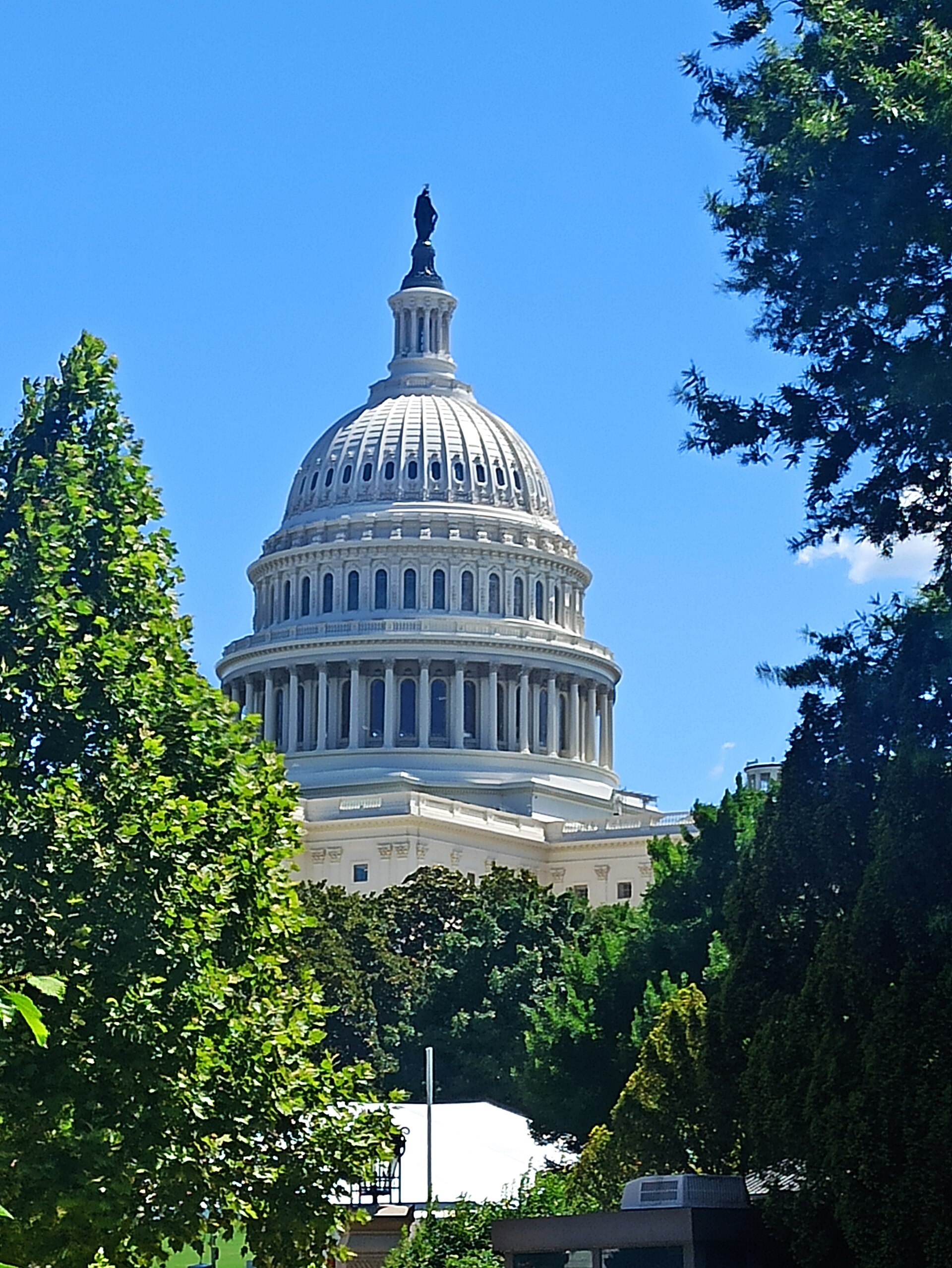
The sharpest effects of H.R. 1’s Medicaid changes are designed to emerge after the political vote is over. That timing has made the law a flashpoint over whether budget savings can be separated from the health risks facing people who lose coverage.
Republicans are expected to vote for the bill known as H.R. 1, while critics warn that the bill could harm people through Medicaid cuts and other federal-program changes. The stakes are tied to estimates involving 4.8 million people and $344 billion, with key Medicaid provisions set to begin taking effect in January 2027—after lawmakers have cast their votes.
That delayed timeline is the point of the fiercest criticism. Opponents argue that reducing Medicaid coverage can become life-threatening when people postpone care, lose access to prescriptions or struggle to manage chronic illness. Supporters frame the changes as a way to curb spending, tighten eligibility and focus assistance on people they say are most entitled to receive it.
Why the timing drives outrage
The argument surrounding Republicans and H.R. 1 is as much about political timing as it is about federal spending. A vote is immediate and public; the administrative work of changing eligibility, enforcing work-related rules and adjusting state budgets unfolds later.
That gap makes it harder to connect a single congressional vote to a single patient’s outcome. It does not make the concern abstract. Medicaid is the insurer people rely on for routine doctor visits, hospital treatment, mental-health care, long-term services and prescription drugs.
Critics use unusually blunt language because coverage loss can have serious consequences. They contend that the effects will be felt after the legislative victory has already been declared, when recipients encounter paperwork barriers, eligibility reviews or fewer services in their communities.
What H.R. 1 changes
Congress.gov describes H.R. 1 as a reconciliation law covering taxes, federal spending, the debt limit and a broad set of agency programs. The measure became Public Law 119-21 on July 4, 2025, according to the official congressional record.
Its Medicaid provisions include changes to federal Medicaid financing and eligibility-related rules. The law also reduces the federal matching rate for emergency Medicaid services provided to people who are not lawfully residing in the United States, among other program changes.
The bill’s reach extends beyond Medicaid. It changes SNAP, the food-assistance program, including work requirements for some adults and new state financial responsibilities. It also reduces the federal share of SNAP administrative costs beginning in fiscal year 2027.
Those provisions matter because low-income households often use more than one safety-net program. A person dealing with less health coverage may simultaneously face stricter food-benefit rules or a state struggling to absorb more program costs.
Numbers behind the coverage fight
The figures cited in the debate—4.8 million people and $344 billion—are not simply accounting entries. They are used by critics to illustrate the scale of potential Medicaid disruption if federal reductions and new eligibility rules translate into fewer people enrolled or fewer services available.
Precise outcomes will depend on implementation. States administer Medicaid within federal rules, and their responses can vary widely: some may put more state money into the program, while others may reduce eligibility, reimbursement rates, benefits or outreach.
That is why projections should not be treated as a guaranteed count of people losing care on one date. Budget estimates rely on assumptions about enrollment, state policy, employment, paperwork compliance and provider participation. Still, large projected savings generally require someone—states, providers or beneficiaries—to bear lower federal support.
How coverage loss becomes a health risk
It is not accurate to say every person who loses Medicaid coverage will suffer the same outcome, or that a vote alone determines an individual death. Health outcomes depend on age, disability, income, local providers, medical conditions and whether another form of insurance is available.
But the pathway critics describe is straightforward. Losing coverage can mean skipping preventive visits, delaying tests, rationing medication or seeking care only when a condition becomes an emergency. For people receiving dialysis, cancer treatment, behavioral-health services or care for complex chronic conditions, disruptions can be especially consequential.
Hospitals and clinics also absorb part of the pressure. When more patients are uninsured, providers can face more uncompensated care, particularly in rural areas and communities where Medicaid is a major source of payment. Reduced provider participation can then make access harder even for people who remain covered.
Supporters see a different tradeoff
Republican supporters of tighter Medicaid and SNAP rules often argue that programs need stronger safeguards against improper payments and that work requirements can encourage employment among adults considered able to work. They also argue that federal spending must be restrained rather than automatically expanded.
That case rests on the belief that eligibility reviews and work-related policies can distinguish between people who need assistance and people who could move into work or other coverage. Critics counter that real-world systems do not operate so cleanly: beneficiaries can lose coverage because of missed notices, limited internet access, unstable work schedules or confusing documentation rules.
The dispute is therefore not just about whether government should save money. It is about what degree of enrollment loss policymakers consider acceptable, who should pay when federal funding declines, and whether administrative hurdles identify ineligible recipients or push eligible people out.
January 2027 is the real test
January 2027 matters because delayed effective dates can shift the most visible consequences beyond the initial political fight. States will need to interpret the law, update systems, train workers and decide whether to cover more costs themselves.
Medicaid recipients may not experience the change as a Washington budget decision. They may experience it as a new renewal form, a request to document work, a narrower network or a notice that their coverage has changed.
The core warning from opponents is that delayed policy effects should not be confused with harmless ones. The core response from supporters is that the law’s savings and eligibility standards are necessary corrections. What remains unclear is how aggressively states will implement the changes, how many people will retain coverage through other routes and whether the projected savings arrive without the severe health consequences critics fear.
Leave a Reply