
The ruling shows how courts are testing the Justice Department’s voter-roll campaign: not just on election-integrity claims, but on relevance, authority and fit.
A federal judge rejected the Trump Justice Department’s argument in the dispute over voter rolls, carefully disregarding an alert the DOJ framed around “hundreds of federal crimes” as not relevant and extending the government’s voter-roll litigation losing streak to 18. The ruling matters now because the department is still seeking access to state voter registration rolls across the country through lawsuits it says enforce federal election-record laws.
The immediate takeaway is not that voter-roll maintenance is off limits. It is that judges are asking a narrower question: whether the government’s stated legal hook fits the order it wants in a specific case.
The court narrowed the fight
The judge’s move appears procedural, but it is the kind of procedural ruling that can decide election-law disputes. A claim about “hundreds of federal crimes” sounds dramatic. A court still has to decide whether that claim helps answer the question actually before it.
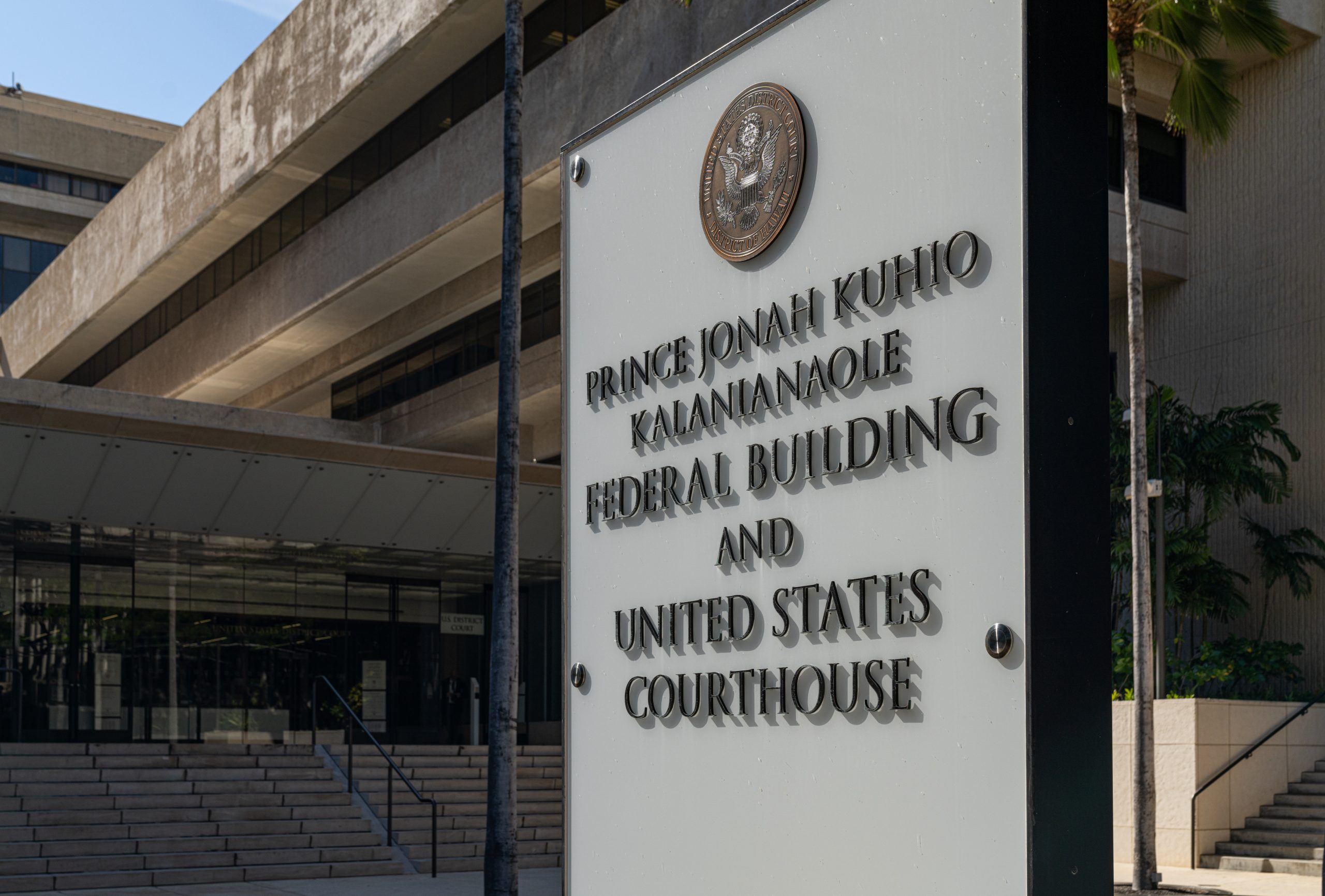
That is the force of the “not relevant” issue. If a filing does not bear on the legal standard the judge must apply, the court can set it aside without deciding every political or factual argument around it.
For the Trump DOJ, the setback adds to a reported tally of 18 losses in voter-roll litigation. For states resisting federal demands, it is another sign that broad election-integrity language may not be enough on its own.
DOJ is pushing nationwide access
The ruling lands against a much wider Justice Department campaign. In a public release, the department said its Civil Rights Division had sued five additional states — Utah, Oklahoma, Kentucky, West Virginia and New Jersey — for failing to produce full voter registration lists on request.
That announcement brought the DOJ’s stated nationwide total to 29 states and the District of Columbia. The department says the attorney general has broad authority under the Civil Rights Act of 1960 to request election records, including statewide voter registration lists that can be inspected and analyzed.
Attorney General Pamela Bondi defended the effort as an election-integrity measure, saying accurate and well-maintained voter rolls are required for secure elections. Assistant Attorney General Harmeet K. Dhillon said the department would continue its oversight role “dutifully, neutrally, and transparently,” while accusing some state election officials of choosing to fight in court rather than “show their work.”
Why relevance became decisive
Federal courts do not treat every alarming assertion as legally useful. A judge can accept that the government has oversight responsibilities and still reject a particular argument if it does not connect to the relief being requested.
That distinction matters in voter-roll cases because the facts are often tangled. The federal government may argue that it needs full registration data to check compliance with federal law. States may argue that a request is overbroad, insufficiently justified, inconsistent with state privacy rules, or not properly tied to the statute being invoked.
The “hundreds of federal crimes” language raises the temperature of the dispute. The judge’s decision to disregard it as not relevant lowers the temperature back to the legal basics: What law applies, what records were requested, what authority supports the request, and what remedy is available?
States have practical concerns
Voter registration rolls are not abstract spreadsheets. They are working election-administration records that can include names, addresses, voting districts, registration status and other fields governed by a mix of federal and state rules.
Public access to voter data varies by state. Some information is routinely available for campaigns, researchers or election purposes. Other data can be restricted because of privacy, safety or administrative limits.
That is why disputes over “full” voter registration lists can become high-stakes quickly. The argument is not only whether rolls should be accurate. Nearly everyone in the debate says they should be. The harder question is who gets the data, under what authority, in what form, and with what safeguards.
The streak changes leverage
A losing streak of 18 does not end the Justice Department’s campaign by itself. Different judges can rule differently, and cases can turn on venue, timing, the exact request, the record before the court and the remedy sought.
Still, repeated losses matter. They shape how states evaluate whether to comply, negotiate or litigate. They also signal to the department that courts may demand more than a general appeal to election integrity.
For the Trump administration, the legal challenge is to show that each request is authorized and appropriately tailored. For state officials, the challenge is to show that resistance is rooted in law and administration, not simply politics.
What remains unsettled
The DOJ’s broader voter-roll push is not over. Its own public statements show that the department sees the issue as a national enforcement priority, and the total number of targeted jurisdictions remains large.
The “hundreds of federal crimes” claim could surface again if the government ties it more directly to a relevant legal issue in another case. This ruling, as reported, is narrower: the judge brushed aside the argument because it did not matter to the question at hand.
The clean takeaway is that courts are not deciding these fights by slogan. Voter-roll maintenance is a legitimate election-administration concern. So are statutory limits, state responsibilities and voter privacy. The side that wins will likely be the one that connects those principles to the specific law and facts in front of the judge.
Leave a Reply