The dispute is not just about textbook wording. It is about whether Texas students get a complete account of the country’s hardest history before new standards reach classrooms.
Texas is trying to erase history from textbooks, critics say, and students will pay the price if the Texas State Board of Education’s latest social studies curriculum changes become the version used in Texas public schools. The fight, centered in Austin, is a Texas textbook and social studies curriculum controversy over what counts as history in classrooms, from Jim Crow to slavery, Native displacement and the 1921 Tulsa Race Massacre.
According to a June 26 Houston Chronicle column by Joy Sewing, the board voted to cut previously proposed lessons on racial segregation and slave revolts, with a final vote expected that Friday on standards for kindergarten through 12th grade. If approved, the lessons would begin in Texas public schools in 2030.
Standards become the textbook map
Textbook fights can sound abstract until the standards become lesson plans, test prep and classroom materials. Social studies standards tell districts and publishers what students are expected to learn. When a topic is narrowed, renamed or removed, it becomes easier for textbooks to treat it as secondary or skip the context that makes it understandable.
That is why the Texas State Board of Education’s decisions matter beyond one meeting room in Austin. The board is not merely choosing a few phrases. It is setting the frame through which millions of students may encounter the country’s history.
The Houston Chronicle account describes a proposed overhaul that would affect social studies instruction from kindergarten through 12th grade. The timeline matters: standards approved now could shape classrooms beginning in 2030, meaning today’s political fight becomes tomorrow’s basic education.
The contested cuts are concrete
The dispute is not only about tone. The specific changes cited by the Chronicle involve core subjects in American history: racial segregation, slave revolts, Jim Crow laws and the reason African Americans were enslaved in the United States.
According to Sewing’s column, the board voted to cut previously proposed lessons explaining racial segregation and slave revolts. It also sought to remove references saying African Americans were enslaved in this country because of their skin color.
The board also planned to cut an explanation of Jim Crow laws, described in the column as a system of laws and practices that denied Black people full freedom and subjected them to inferior treatment and facilities from 1874 to the mid-1960s.
Each of those edits changes more than a sentence. Students can memorize dates without understanding systems. They can learn that slavery existed without learning why race was central to it. They can hear the phrase Jim Crow without grasping that it was not just personal prejudice, but law-backed exclusion.
Why one Tulsa word matters
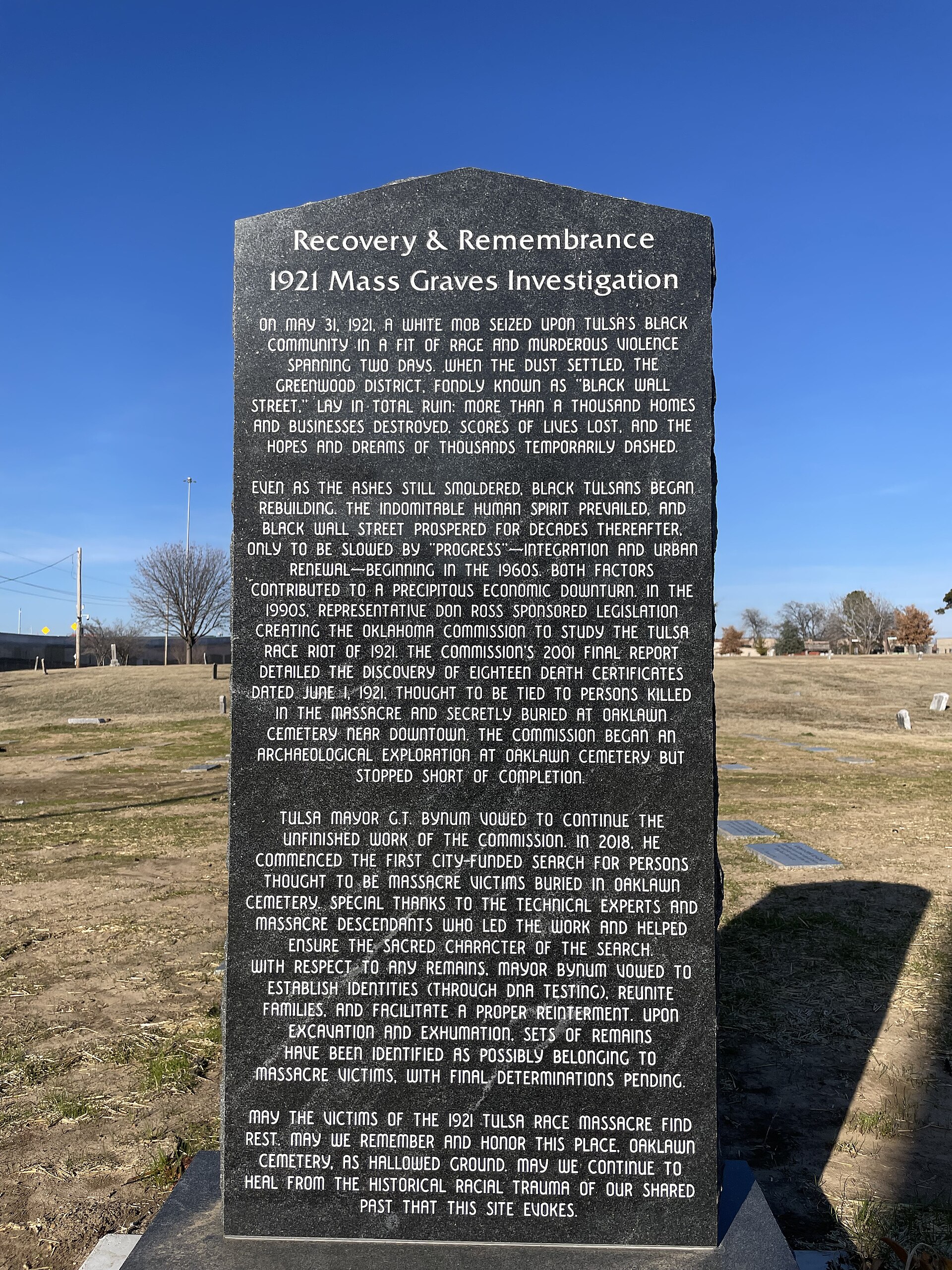
One of the sharpest examples in the Texas debate is the proposed naming of the 1921 Tulsa Race Massacre. The Chronicle column says the board wants to rename it the Tulsa Race Riots.
That may look like a small wording change. It is not. A massacre suggests organized, one-sided mass violence against victims. A riot can imply mutual disorder, chaos or a conflict with shared blame.
The historical record matters here. Sewing cites a 2025 Justice Department report on Tulsa that ran 126 pages and found the attack was so systematic and coordinated that it went beyond mere mob violence. The column says as many as 10,000 white Tulsans murdered hundreds of Black residents and burned their businesses and homes to the ground.
Calling that event a riot does not just soften the language. It can alter the moral and factual meaning students take from the lesson. If young people are taught the wrong frame, they may never ask the right questions.
Native history shows the pattern
The controversy also echoes a much older problem in textbooks: treating Native history as if Native people simply disappeared. Sewing opens her column with a family memory of a social studies textbook that said Native Americans “vanished,” without explaining the policies and violence behind displacement.
The missing context is not minor. The Indian Removal Act of 1830 forced tribes from the Southeast to what is now Oklahoma. More than 4,000 people died from disease, starvation and the dangers of the journey, according to the Chronicle column.
The column also points to the forcible separation of Native children from their families, where languages and customs were banned in the name of assimilation. The National Indian Child Welfare Association has said that before the 1970s, 25% to 35% of all Native children were removed from their communities and placed with white families.
When a textbook says people “vanished,” it hides the choices that made communities vulnerable. That is the larger concern in the Texas fight: not that every lesson can include every fact, but that official wording can make human decisions look like natural disappearance.
The real curriculum question
There is a fair debate to have about age-appropriate instruction, limited classroom time and how much detail belongs at each grade level. No curriculum can teach everything. Teachers need standards that are clear, teachable and suited to students’ development.
But age-appropriate does not have to mean historically incomplete. A first lesson can be simple without being false. Older students can handle complexity, especially when the topic is central to understanding the United States.
The hardest question for the Texas State Board of Education is not whether history should make students comfortable. It is whether the standards will help students understand how power, law, race and resistance shaped the country they live in.
Supporters of stricter or narrower standards often argue that schools should avoid politicizing classrooms. Critics answer that removing the causes and consequences of racial violence is itself a political choice. Both sides say they are protecting students. The difference is what they believe students need protection from: discomfort, or distortion.
What families should watch
The next question is what the final standards actually say. The Chronicle reported that a final vote was expected Friday, June 26, on the social studies standards. The extracted record does not establish the final vote outcome, so the most important document for parents, educators and students is the approved text itself.
Families should look less at slogans and more at wording. Key questions include:
- Do the standards explain why African Americans were enslaved in the United States?
- Do they teach Jim Crow as a legal and social system, not just a vague era of unfairness?
- Do they call the 1921 Tulsa attack a massacre or a riot, and do they explain what happened?
- Do Native history lessons identify removal, forced assimilation and child separation as policies, not mysteries?
- Do students learn about resistance, including slave revolts and civil rights challenges to segregation?
The larger takeaway is simple: history education is not neutral just because it is shorter. Every deletion teaches something. Every euphemism teaches something. Every missing cause teaches students how not to see.
If Texas narrows the story, students may still receive a textbook called history. The price is that they could leave school with fewer tools to understand the past, and fewer ways to recognize its consequences in the present.
Leave a Reply