Blog

  • UEFA Threatens World Cup Boycott Over Private Stakes in FIFA Tournaments

    UEFA Threatens World Cup Boycott Over Private Stakes in FIFA Tournaments

    The vote turns a governance fight into a direct threat to world soccer’s biggest tournaments. At issue is whether private money should own a stake in FIFA’s most valuable competitions.

    UEFA’s 55 member associations unanimously voted to boycott future FIFA competitions, including the World Cup, on Thursday, backing a Soccer World Cup boycott that immediately escalates a fight with FIFA. The article explains the reason for the boycott vote: opposition to FIFA President Gianni Infantino’s plan to bring private investors into the commercial structure of the World Cup.

    Today’s unanimous Cup boycott backed by every UEFA member matters because Europe supplies many of the sport’s richest leagues, biggest national teams and most-watched players. If carried through, it would touch men’s and women’s FIFA competitions, not just a distant political argument inside soccer’s boardrooms.

    UEFA turns threat into policy

    The decision came after an urgent online meeting of UEFA’s 55 national associations, according to the Associated Press and CNN. UEFA said its national teams would not participate in FIFA competitions while the private-investment proposal remained alive.

    Gianni Infantino (32879983122)
    Image: Doha Stadium Plus Qatar from Doha, Qatar, via Wikimedia Commons, CC BY 2.0.

    That makes this more than a protest statement. UEFA is signaling that its members are willing to withhold teams from the machinery that gives FIFA events their sporting and commercial weight.

    The scope is broad. The boycott threat applies to future FIFA competitions, including the men’s and women’s World Cups, and AP reported that the next scheduled FIFA tournament is the Women’s Under-20 World Cup in Poland in early September.

    UEFA’s message was deliberately blunt: some parts of the game, it argued, should not be sold. The fight now moves from financial planning to legitimacy.

    The investor plan behind it

    The dispute centers on Infantino’s proposal to create a new commercial vehicle tied to FIFA’s competitions. AP reported that the project would spin off commercial operations into a $20 billion subsidiary called FIFA Forward Enterprise, with private investors owning 20%.

    The core investor, according to AP, would be a New York investment firm created by Joshua Kushner. FIFA members were offered a sharp increase in funding if they approved the plan, with AP reporting that each of FIFA’s 211 member associations could see basic funding for the next four years doubled from $10 million to $20 million.

    Infantino’s pitch is straightforward: more money flowing to more federations, especially in parts of the world where FIFA funding is essential. AP reported that he projected each member’s FIFA funding through 2038 would rise to $86 million, compared with about $36 million under the existing path.

    That is why this fight is not cleanly divided between greed and principle. For many smaller federations, development funding can pay for fields, youth programs, coaching and national-team operations. UEFA’s answer is that the cost of that money would be too high if investors gain a lasting stake in FIFA competitions.

    Why Europe objected so strongly

    UEFA’s core objection is control. Once outside investors own part of the commercial rights around the World Cup or other FIFA competitions, European officials fear the incentives of the event change permanently.

    In UEFA’s view, investor expectations would become a daily pressure on scheduling, formats, ticketing, sponsorship, broadcast strategy and expansion. The concern is not only who gets paid; it is who gets influence over decisions that shape the sport.

    That argument lands at a sensitive moment. FIFA has already expanded or reshaped major competitions in recent years, and clubs, leagues and players have repeatedly complained about a crowded calendar. A private-investor structure would intensify scrutiny over whether more games are being created for sporting reasons or financial ones.

    UEFA also took aim at governance. According to AP, European officials were angry that FIFA was seeking outside investment while holding large reserves and while giving member associations a short window to accept the proposal.

    A rare challenge to Infantino

    The unanimous vote is a direct challenge to Gianni Infantino, who has led FIFA since 2016 and has usually operated from a position of strength among the organization’s 211 members.

    AP reported that the strategy meeting included comments from around 40 UEFA members and reflected anger over both the substance of the proposal and the process around it. UEFA called the plan a failure of leadership and said no UEFA national teams would participate in FIFA competitions unless the proposal was abandoned and binding assurances were given.

    That language matters. UEFA is not merely asking FIFA to revise terms or slow down. It is asking FIFA to renounce private ownership of its governance or competitions as a category.

    There is also a political clock. AP reported that FIFA has set a November deadline for potential presidential candidates ahead of a vote scheduled for next March in Rabat, Morocco. If opposition spreads, the investor plan could become a referendum on Infantino’s leadership.

    CONCACAF adds pressure

    Europe was not alone in objecting. AP reported that the 41-member Confederation of North, Central American and Caribbean Association Football, known as CONCACAF, met later Thursday and rejected Infantino’s plan.

    CONCACAF cited concerns about due process, the short deadline and the lack of review or approval by relevant FIFA governance bodies, according to AP. It also questioned why outside investment was needed after what it described as the most profitable FIFA World Cup in history.

    That response matters because CONCACAF includes the United States, Mexico and Canada, the three countries that co-hosted the 2026 men’s World Cup. When both Europe and North America raise governance objections, FIFA’s path becomes more complicated.

    Still, FIFA’s broader membership is global, and many associations may view increased funding differently. The question is whether financial incentives can overcome a growing argument that the World Cup’s commercial future should remain wholly inside soccer’s nonprofit structure.

    What could happen next

    The most immediate uncertainty is whether FIFA withdraws, delays or rewrites the investment proposal before the mid-September acceptance deadline reported by AP. If FIFA keeps pushing, UEFA’s boycott pledge could be tested quickly by upcoming competitions.

    The practical fallout would be messy. A World Cup without European teams would lose many of its biggest draws. Youth tournaments, women’s competitions and bidding processes could be disrupted well before any senior men’s World Cup is at stake.

    There is also the legal and contractual side, which remains unclear from the public record. National associations, broadcasters, sponsors, host countries and players all have different obligations and leverage points. A unanimous vote gives UEFA political force, but implementation would create a new set of hard questions.

    The clean takeaway is that soccer’s biggest governance fight is now out in the open. UEFA is betting that the World Cup’s identity is more valuable than a funding boost tied to private equity. FIFA must decide whether the money is worth a showdown with the continent that supplies much of the tournament’s star power.
  • Kash Patel’s $10M Case Collapses on Jurisdiction, Not ‘Googly-Eyed’ Insult

    Kash Patel’s $10M Case Collapses on Jurisdiction, Not ‘Googly-Eyed’ Insult

    The viral insult is the memorable part. The ruling itself turns on a narrower legal question: whether Nevada was the right place for Patel to sue.

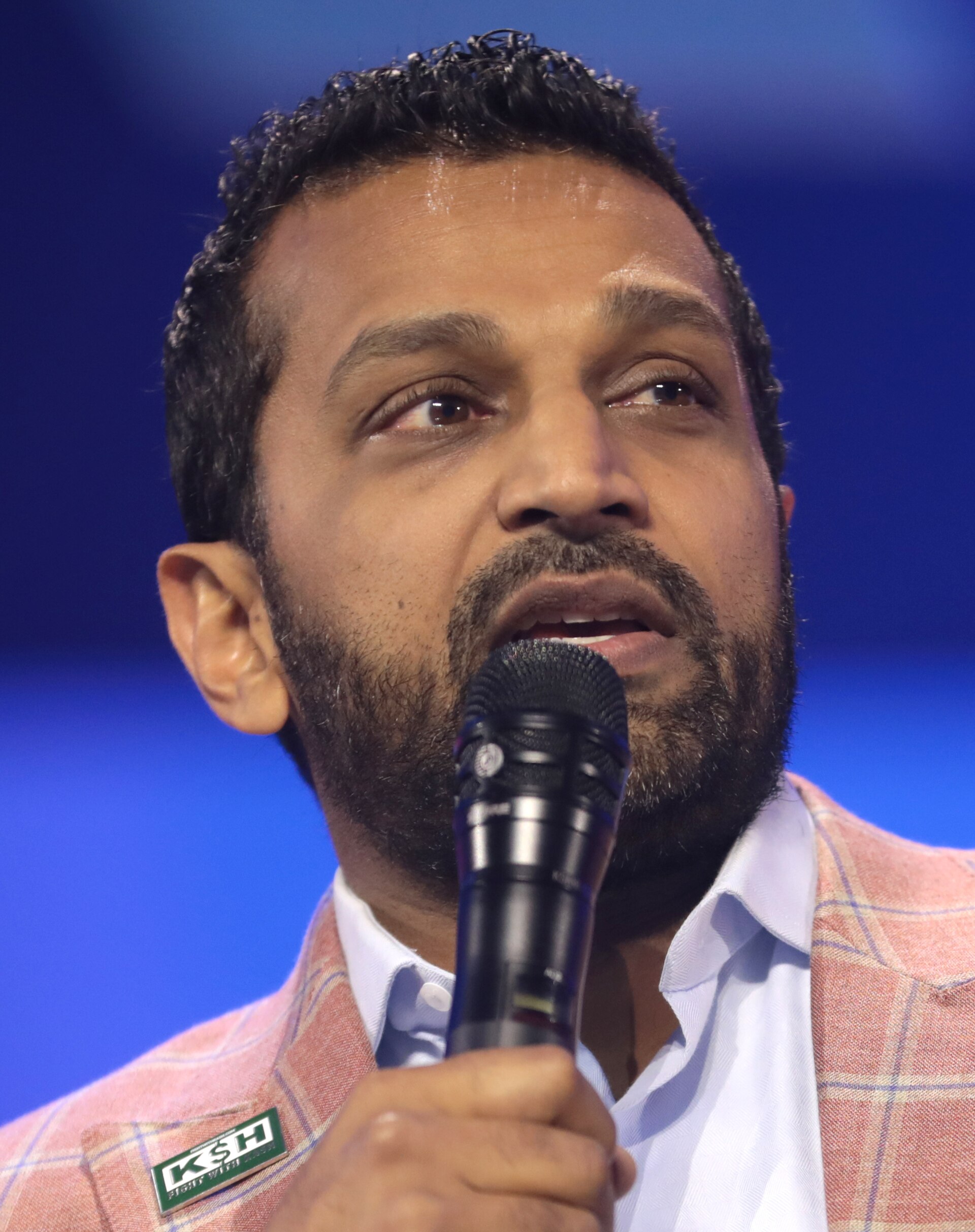
    A federal judge dismissed Kash Patel’s defamation lawsuit on Tuesday, throwing out the FBI director’s $10 million case against blogger and podcaster Jim Stewartson. The case involved a “googly-eyed” insult — one of several crude phrases Stewartson used online — and the court record still contains the insult because Nevada Chief District Judge Andrew Gordon quoted it in a footnote.

    The reason was not that Gordon endorsed Stewartson’s language or decided the tweets were harmless. The court said it lacked personal jurisdiction over Stewartson, a California resident whose posts were not shown to be aimed at Nevada, undoing an earlier default judgment for Patel.

    The loss turned on jurisdiction

    Gordon’s order granted Stewartson’s motion to dismiss Patel’s defamation complaint, according to court records available through CourtListener and reporting by HuffPost. The judge found that Nevada federal court was not the proper forum because Stewartson did not have the kind of connection to Nevada required for the case to proceed there.

    Judge Stephanie Rhoades
    Image: Stephanie Rhoades, via Wikimedia Commons, CC0.

    That issue is called personal jurisdiction. In plain terms, a plaintiff cannot usually sue someone in a state just because the plaintiff chooses that venue. The defendant must have meaningful contacts with the state, or the alleged conduct must be sufficiently directed there.

    Stewartson argued that he lived in California and that his online posts were not targeted at Nevada residents. Gordon agreed that Patel had not established enough of a Nevada connection for the court to exercise power over Stewartson.

    That procedural point matters because it ended the case without a full ruling on whether Stewartson’s posts were defamatory. The judge did not have to decide whether the insults were protected opinion, provable factual claims, or legally actionable accusations.

    Why the earlier win disappeared

    Patel first sued Stewartson in June 2023 over a series of social media posts, according to the docket. The complaint sought $10 million and accused Stewartson of defamation over statements that included harsh personal insults and allegations connected to Jan. 6.

    Stewartson did not initially respond to the lawsuit. That opened the door for Patel to obtain a default judgment, which HuffPost reported was entered in August 2025 for $250,000.

    A default judgment can look final, but it is not immune from challenge. If a court lacked jurisdiction from the start, a later order can wipe out the judgment because the court never had authority over the defendant.

    That is what happened here. Gordon’s ruling voided the default judgment after finding that Nevada lacked personal jurisdiction over Stewartson.

    The insult is not the ruling

    The phrase now drawing attention is the “googly-eyed” insult, which appeared in the court record as part of the judge’s description of the dispute. Stewartson had used more vulgar language online, including the phrase “googly-eyed Kremlin bitch,” according to the order and HuffPost’s account.

    Its appearance in a judicial footnote is what gives the story its strange afterlife. Court filings and judicial opinions can preserve language that most public figures would rather bury, especially when the language is central to the dispute.

    But the presence of the insult in the order should not be confused with a legal blessing. Courts often quote offensive, crude or inflammatory speech because they have to identify what was said. Quoting a phrase is not the same as approving it.

    Stewartson celebrated the dismissal online and suggested others could use similar labels without fear of legal repercussions, according to HuffPost. That is his interpretation, not the court’s holding. The ruling was about Nevada’s authority over him, not a blanket license to defame Patel or anyone else.

    What Patel had alleged

    Patel’s complaint focused on posts that called him names and accused him of serious misconduct, including claims that he had “attempted to overthrow the government” and was “guilty of sedition,” according to the cited court materials. Those are not ordinary playground insults; they are statements with obvious reputational stakes.

    Defamation law draws a line between protected opinion and false factual assertions that harm someone’s reputation. Public officials and public figures also face a higher bar in many cases, often needing to show actual malice — that the speaker knew a statement was false or acted with reckless disregard for the truth.

    None of that was fully tested in this ruling. Because the court dismissed the case on jurisdictional grounds, the bigger First Amendment and defamation questions remain largely unresolved in this dispute.

    That distinction is easy to miss when the most memorable part of the case is an insult. The legal takeaway is narrower: choosing the wrong forum can doom a lawsuit before the substance is reached.

    A larger defamation backdrop

    Patel’s legal loss also arrives while he is pursuing another high-profile defamation fight. HuffPost reported that Patel has a separate $250 million defamation suit against The Atlantic over an April article that accused him of “excessive drinking” and erratic behavior.

    The Atlantic has called that case meritless and has framed it as a First Amendment issue in a motion to dismiss, according to the same report. Patel’s claims in that separate case will rise or fall on their own facts, forum and legal arguments.

    Together, the cases show how defamation disputes involving public officials and media or online critics often become battles on multiple fronts. Plaintiffs want reputational repair. Defendants tend to invoke speech protections, opinion, lack of falsity or procedural defenses.

    Here, the decisive defense was procedural. Stewartson did not win because a judge found every word acceptable. He won because Patel did not persuade the court that Nevada could properly hear the case against him.

    What remains after dismissal

    The immediate result is clear: Patel’s Nevada case against Stewartson has been dismissed, and the earlier $250,000 default judgment has been voided. The “googly-eyed” language remains in the court record because it is part of the order describing the challenged speech.

    What is less clear is whether Patel will try to pursue the matter in another forum, appeal the jurisdiction ruling, or let this dispute end. A dismissal for lack of personal jurisdiction does not necessarily mean the underlying defamation theory could never be brought elsewhere, though timing and other defenses could matter.

    The case also illustrates a recurring risk in reputation lawsuits: suing over ugly speech can give that speech a longer public life. A phrase that might have faded online can become searchable in a federal docket.

    For Patel, the legal setback is concrete. For everyone watching the case, the memorable quote is a distraction from the key lesson: in defamation litigation, where a lawsuit is filed can matter as much as what was said.

  • McConnell’s Senate Return Delayed After Fall and Pneumonia

    McConnell’s Senate Return Delayed After Fall and Pneumonia

    The verified story is not an official missing-person search. It is a prolonged medical absence by a powerful senator, with limited public updates and no firm return date.

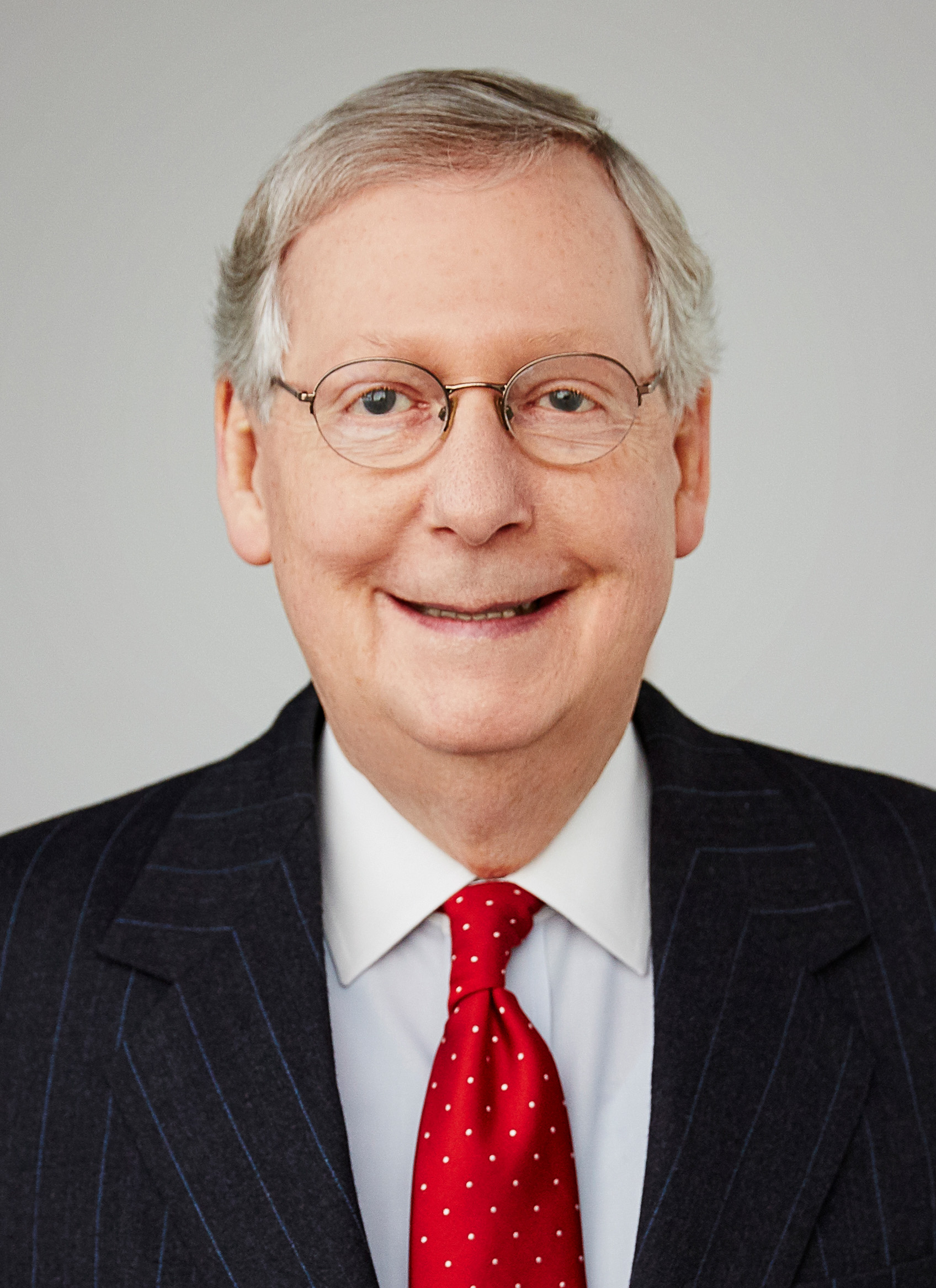
    Sen. Mitch McConnell, the Kentucky Republican and former Senate GOP leader, remains the focus of public concern after reports described an extended medical leave following a fall, pneumonia and hospitalization.

    Some attention has come from “missing” language circulating around his absence from public view. But the available reporting from BBC, NBC News and The New York Times points to a narrower, documented situation: McConnell has been away from the Senate for medical reasons, and his office has not provided a firm timetable for his return.

    What reports establish

    According to BBC, McConnell said he would not be returning to the Senate quite yet after suffering a fall and a mild case of pneumonia. The report said his office released a photo of McConnell with his wife, former Transportation Secretary Elaine Chao, alongside the statement.

    U.S. Capitol building
    Image: Gage Skidmore, via Flickr, CC BY-SA 2.0.

    NBC News separately reported that McConnell remained hospitalized more than three weeks after being admitted following a medical emergency. The New York Times reported that his office said he was not medically cleared to leave and would miss a state picnic.

    Nothing in the cited reporting establishes that McConnell is the subject of a confirmed law-enforcement missing-person investigation. The concern is rooted in the length of the absence, the limited public detail and the uncertainty around when he will return.

    What McConnell’s statement said

    In the statement described by BBC, McConnell said he was briefly unconscious after the fall and was taken to a hospital, where he underwent extensive testing.

    He said doctors confirmed he had not broken bones, suffered a concussion, had a heart attack or stroke, or had tumors or hemorrhages, according to BBC.

    McConnell also referenced the long-term effects of childhood polio and the mobility challenges he faces. His statement framed the episode partly as a difficult moment of aging, saying people of his generation often hesitate to share vulnerability.

    Why the concern grew

    McConnell is an 84-year-old U.S. senator from Kentucky and one of the most recognizable Republican figures in Washington. Even after stepping down as Senate Republican leader, his presence and votes still carry political weight.

    Reports described weeks of hospitalization or medical leave, followed by word that he would miss additional events. Each missed appearance added attention to the same unanswered question: when he might be able to resume public duties.

    That is how a medical absence becomes a civic issue. Constituents do not need every private detail of a senator’s treatment, but they do have a stake in knowing whether their elected official can work, vote and represent them.

    Privacy versus public office

    There are two fair instincts in conflict here. One says McConnell deserves medical privacy, especially during recovery from a fall, pneumonia and hospitalization. Another says a senator’s capacity to serve is not a purely private matter.

    McConnell’s own statement, as reported by BBC, acknowledged that tension. He described discomfort with sharing vulnerability, even while living in the public eye. That is a human explanation, not a full political answer.

    Supporters may see the limited updates as appropriate restraint during a difficult recovery. Critics may see them as too vague for an elected official whose absence affects Senate work and Kentucky representation.

    The clearest way to reduce speculation would be regular, specific-enough communication: where he is in the recovery process, whether he can perform official duties, and when doctors expect to reassess his return.

    The Chao detail added attention

    BBC also reported that Elaine Chao faced criticism for traveling to China while McConnell was unwell. The Chinese government confirmed Chao met Chinese Vice-President Han Zheng in Beijing on June 17, three days after McConnell was admitted to the hospital, according to BBC.

    A spokesperson for Chao told BBC that McConnell’s health did not warrant an immediate return. That detail did not settle the public conversation. It became another point people cited while trying to judge how serious the situation was.

    For readers trying to understand the story, the Chao episode is secondary to the medical timeline. It shows how surrounding facts can get pulled into a larger narrative when the central question remains unresolved.

    What remains unclear

    McConnell’s precise return date remains unclear from the available reporting. His office has said he was not medically cleared to return, and his own statement said the process takes time.

    The bottom line: McConnell’s absence has prompted real concern because of his age, his role and the length of time out of public view. But the strongest verified reporting points to a prolonged medical leave after a fall and pneumonia, not a confirmed disappearance investigation.

    Until his office provides another update or McConnell reappears publicly, the central issue remains the same: when one of the Senate’s most familiar figures will be medically cleared to return to public duty.

  • Texas Board’s Cuts Put Tulsa Massacre and Jim Crow Lessons at Risk

    Texas Board’s Cuts Put Tulsa Massacre and Jim Crow Lessons at Risk

    The dispute is not just about textbook wording. It is about whether Texas students get a complete account of the country’s hardest history before new standards reach classrooms.

    Texas is trying to erase history from textbooks, critics say, and students will pay the price if the Texas State Board of Education’s latest social studies curriculum changes become the version used in Texas public schools. The fight, centered in Austin, is a Texas textbook and social studies curriculum controversy over what counts as history in classrooms, from Jim Crow to slavery, Native displacement and the 1921 Tulsa Race Massacre.

    According to a June 26 Houston Chronicle column by Joy Sewing, the board voted to cut previously proposed lessons on racial segregation and slave revolts, with a final vote expected that Friday on standards for kindergarten through 12th grade. If approved, the lessons would begin in Texas public schools in 2030.

    Standards become the textbook map

    Textbook fights can sound abstract until the standards become lesson plans, test prep and classroom materials. Social studies standards tell districts and publishers what students are expected to learn. When a topic is narrowed, renamed or removed, it becomes easier for textbooks to treat it as secondary or skip the context that makes it understandable.

    That is why the Texas State Board of Education’s decisions matter beyond one meeting room in Austin. The board is not merely choosing a few phrases. It is setting the frame through which millions of students may encounter the country’s history.

    The Houston Chronicle account describes a proposed overhaul that would affect social studies instruction from kindergarten through 12th grade. The timeline matters: standards approved now could shape classrooms beginning in 2030, meaning today’s political fight becomes tomorrow’s basic education.

    The contested cuts are concrete

    The dispute is not only about tone. The specific changes cited by the Chronicle involve core subjects in American history: racial segregation, slave revolts, Jim Crow laws and the reason African Americans were enslaved in the United States.

    According to Sewing’s column, the board voted to cut previously proposed lessons explaining racial segregation and slave revolts. It also sought to remove references saying African Americans were enslaved in this country because of their skin color.

    The board also planned to cut an explanation of Jim Crow laws, described in the column as a system of laws and practices that denied Black people full freedom and subjected them to inferior treatment and facilities from 1874 to the mid-1960s.

    Each of those edits changes more than a sentence. Students can memorize dates without understanding systems. They can learn that slavery existed without learning why race was central to it. They can hear the phrase Jim Crow without grasping that it was not just personal prejudice, but law-backed exclusion.

    Why one Tulsa word matters

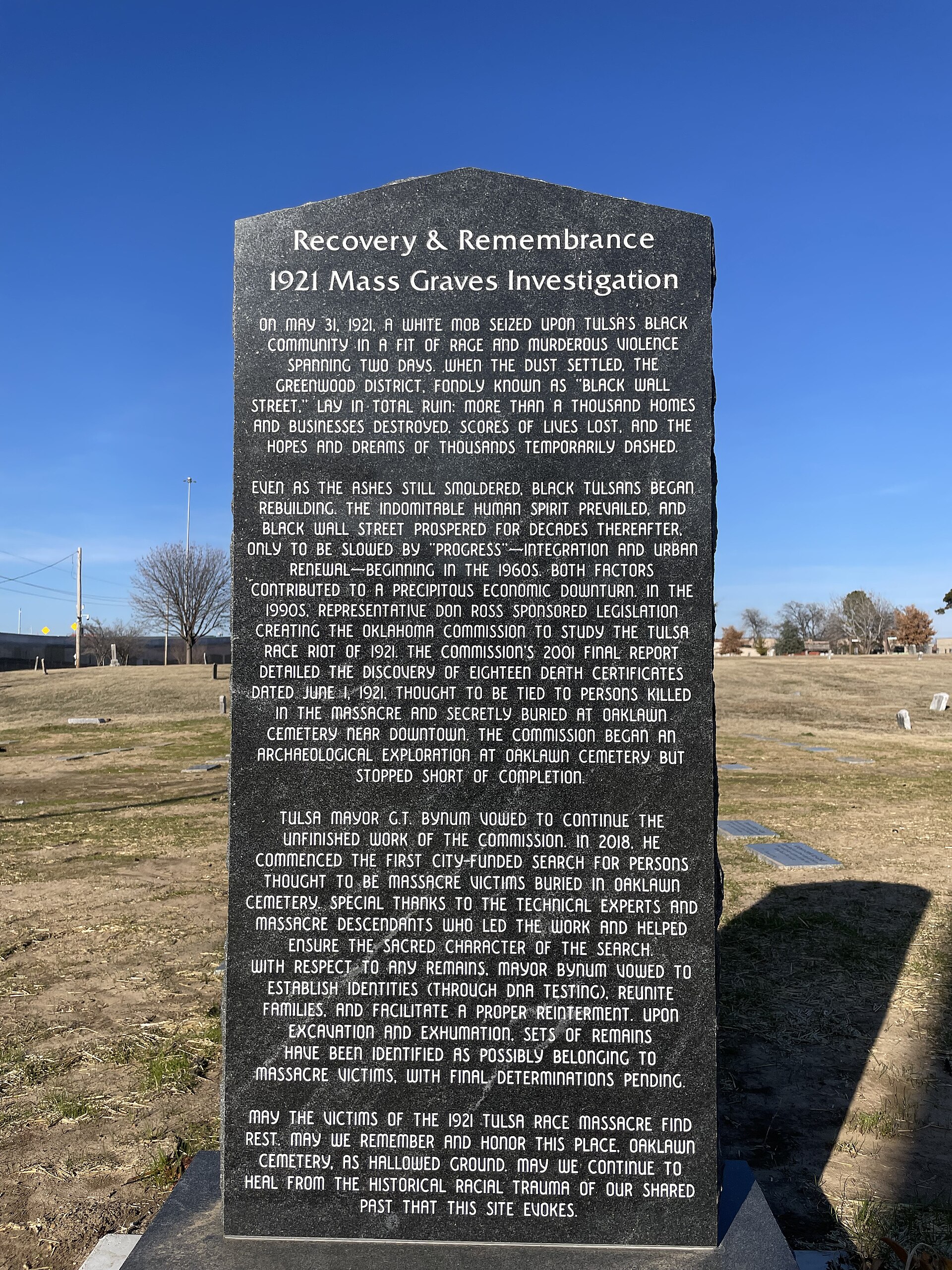
    One of the sharpest examples in the Texas debate is the proposed naming of the 1921 Tulsa Race Massacre. The Chronicle column says the board wants to rename it the Tulsa Race Riots.

    That may look like a small wording change. It is not. A massacre suggests organized, one-sided mass violence against victims. A riot can imply mutual disorder, chaos or a conflict with shared blame.

    The historical record matters here. Sewing cites a 2025 Justice Department report on Tulsa that ran 126 pages and found the attack was so systematic and coordinated that it went beyond mere mob violence. The column says as many as 10,000 white Tulsans murdered hundreds of Black residents and burned their businesses and homes to the ground.

    Calling that event a riot does not just soften the language. It can alter the moral and factual meaning students take from the lesson. If young people are taught the wrong frame, they may never ask the right questions.

    Native history shows the pattern

    The controversy also echoes a much older problem in textbooks: treating Native history as if Native people simply disappeared. Sewing opens her column with a family memory of a social studies textbook that said Native Americans “vanished,” without explaining the policies and violence behind displacement.

    The missing context is not minor. The Indian Removal Act of 1830 forced tribes from the Southeast to what is now Oklahoma. More than 4,000 people died from disease, starvation and the dangers of the journey, according to the Chronicle column.

    The column also points to the forcible separation of Native children from their families, where languages and customs were banned in the name of assimilation. The National Indian Child Welfare Association has said that before the 1970s, 25% to 35% of all Native children were removed from their communities and placed with white families.

    When a textbook says people “vanished,” it hides the choices that made communities vulnerable. That is the larger concern in the Texas fight: not that every lesson can include every fact, but that official wording can make human decisions look like natural disappearance.

    The real curriculum question

    There is a fair debate to have about age-appropriate instruction, limited classroom time and how much detail belongs at each grade level. No curriculum can teach everything. Teachers need standards that are clear, teachable and suited to students’ development.

    But age-appropriate does not have to mean historically incomplete. A first lesson can be simple without being false. Older students can handle complexity, especially when the topic is central to understanding the United States.

    The hardest question for the Texas State Board of Education is not whether history should make students comfortable. It is whether the standards will help students understand how power, law, race and resistance shaped the country they live in.

    Supporters of stricter or narrower standards often argue that schools should avoid politicizing classrooms. Critics answer that removing the causes and consequences of racial violence is itself a political choice. Both sides say they are protecting students. The difference is what they believe students need protection from: discomfort, or distortion.

    What families should watch

    The next question is what the final standards actually say. The Chronicle reported that a final vote was expected Friday, June 26, on the social studies standards. The extracted record does not establish the final vote outcome, so the most important document for parents, educators and students is the approved text itself.

    Families should look less at slogans and more at wording. Key questions include:

    • Do the standards explain why African Americans were enslaved in the United States?
    • Do they teach Jim Crow as a legal and social system, not just a vague era of unfairness?
    • Do they call the 1921 Tulsa attack a massacre or a riot, and do they explain what happened?
    • Do Native history lessons identify removal, forced assimilation and child separation as policies, not mysteries?
    • Do students learn about resistance, including slave revolts and civil rights challenges to segregation?

    The larger takeaway is simple: history education is not neutral just because it is shorter. Every deletion teaches something. Every euphemism teaches something. Every missing cause teaches students how not to see.

    If Texas narrows the story, students may still receive a textbook called history. The price is that they could leave school with fewer tools to understand the past, and fewer ways to recognize its consequences in the present.

  • ‘Free Beer If Trump Dies’ Brewery Faces Aug. 4 Permit Revocation

    ‘Free Beer If Trump Dies’ Brewery Faces Aug. 4 Permit Revocation

    The case has drawn national attention because of Kirk Bangstad’s anti-Trump posts. State officials say the permit action is about alcohol regulations, permits and taxes.

    A Wisconsin brewery promised free beer if Donald Trump dies, and now the state is revoking its alcohol permit. Minocqua Brewing Company in Minocqua, owned by Kirk Bangstad, will have its permit revoked Aug. 4, the Wisconsin Department of Revenue confirmed July 29; the story was updated July 30 as Madison-based alcohol officials defended the action as routine enforcement.

    The timing has made the case a political flashpoint. Bangstad has built his brewery brand around progressive activism and anti-Trump messaging, but state officials say the permit loss follows alcohol-regulation allegations tied to beer transported into Wisconsin from Illinois.

    The permit action at issue

    Minocqua Brewing Company is set to lose its alcohol permit on Aug. 4, according to the Wisconsin Department of Revenue, whose Division of Alcohol Beverages oversees enforcement of state alcohol rules.

    Wisconsin Department of Revenue. panoramio
    Image: Corey Coyle, via Openverse, by.

    The agency told USA TODAY that it is enforcing state law, not making a political judgment. In a statement, the division said it is dedicated to the “fair and consistent enforcement of alcohol beverages regulations in Wisconsin” and must ensure permit holders and licensees follow applicable laws.

    The state’s action follows a June raid in which officials seized canned beer from Bangstad’s company. Regulators alleged the beer had been transported into Wisconsin from Illinois without the required permits and taxes, according to reporting from the Milwaukee Journal Sentinel, part of the USA TODAY Network.

    That distinction matters. The viral version of the story centers on Trump and Bangstad’s inflammatory political rhetoric. The formal state rationale, as reported, centers on alcohol permits, transport rules and taxes.

    Why Trump is part of it

    Bangstad, a progressive activist and owner of Minocqua Brewing Company, has repeatedly tied the business to partisan politics. He has described the company as “the state’s most progressive brewery” and used its platforms to criticize Trump and other Republicans.

    The free-beer controversy traces to Bangstad’s statement that the brewery would give away beer if Trump dies. That remark took on greater significance after another post from the brewery account appeared to reference an alleged assassination attempt against Trump following the White House Correspondents’ Dinner on April 25.

    Authorities said Cole Allen tried to force his way through a security checkpoint and fired a shotgun outside the ballroom where Trump and members of his Cabinet were gathering, according to USA TODAY’s account of the incident.

    Afterward, Bangstad wrote on Facebook: “Well, we almost got #freebeerday. Either a brother or sister in the Resistance needs to work on their marksmanship or he faked another assassination to get a positive news cycle.” The post prompted federal attention and intensified scrutiny of the brewery’s political persona.

    Bangstad says he will fight

    Bangstad has cast the permit revocation as excessive and politically charged. In a July 26 newsletter, he called the action “heavy-handed” and asked supporters to contribute to a legal defense fund.

    “We’re going to fight the state of Wisconsin tooth and nail, and once again, they’ll have to pry me out of my taprooms before I stop selling beer to thirsty progressives who come to visit us,” Bangstad wrote.

    His posture is consistent with the way he has run the business: part brewery, part political stage. That approach has won him supporters who see the brand as unapologetic resistance politics, and critics who see the rhetoric as reckless, especially when it refers to death or violence involving public officials.

    Bangstad’s next move is expected to be a legal challenge. What remains unclear is whether a court will pause or reverse the revocation before the Aug. 4 effective date.

    Federal agents asked questions

    The permit fight also comes after FBI agents interviewed Bangstad about the social media post that mentioned marksmanship and “free beer day.” Video later posted by Bangstad showed agents questioning him and his attorney about the comment.

    According to USA TODAY, agents asked whether Bangstad or anyone he knew intended to harm Trump or Vice President JD Vance, or supported groups with that goal.

    Bangstad and his attorney told agents they did not plan or wish harm on Trump or Vance and did not support any groups advocating violence against them.

    That detail is important in a politically charged story. The available reporting describes an interview and questions from federal agents; it does not say Bangstad was charged with a crime over the post. The alcohol permit revocation, meanwhile, is being described by state officials as a regulatory action.

    A brewery built for politics

    Minocqua Brewing Company’s business model has long blurred the line between local brewery and political megaphone. Bangstad has used the company’s identity to raise money, sell politically themed products and put the brand inside Wisconsin’s fierce partisan fights.

    That has made the brewery unusually visible for a small business in northern Wisconsin. It also means ordinary regulatory disputes can become national political stories almost instantly.

    Supporters may see the state’s action as another example of authorities targeting a loud progressive critic. State officials, by contrast, frame the matter as an obligation to enforce alcohol laws evenly, regardless of the owner’s politics.

    The unresolved question is whether those two narratives overlap in court. Bangstad can argue the revocation is overreach; the state can argue that permit holders still have to follow transport, tax and licensing rules no matter how much attention their speech attracts.

    What happens before Aug. 4

    The immediate date to watch is Aug. 4, when the permit revocation is scheduled to take effect. If Bangstad files a challenge, the practical question will be whether the brewery can keep selling alcohol while that dispute plays out.

    For customers and supporters, the case may look like a free-speech fight because of the Trump-related posts. For regulators, it is being presented as an alcohol-control matter tied to how beer entered Wisconsin and whether the proper permits and taxes were in place.

    Both realities can be true at once: Bangstad’s rhetoric made the brewery famous beyond Minocqua, and the state’s stated basis for revocation is a set of alcohol rules that apply to permit holders across Wisconsin.

    The takeaway for now is narrower than the viral headline suggests. Minocqua Brewing Company is losing its permit after a regulatory investigation, while its owner’s Trump-related comments explain why a local alcohol enforcement case has become a national political story.

  • Trump’s Economy Approval Hits 33% as His GOP Cushion Thins

    Trump’s Economy Approval Hits 33% as His GOP Cushion Thins

    The sharpest danger for Trump is not only opposition from Democrats or independents. It is the evidence that economic frustration is reaching into the coalition he needs most.

    Donald Trump and his base are facing worsening conditions, and a CNN analysis published Jul 29, 2026 put a sharper frame on the developments making things worse for Trump and his supporters. The problem is not one bad headline: Quinnipiac University Poll data shows 33 percent approval and 64 percent disapproval for Trump on the economy, while 41%, 43% and 6% have become part of the broader debate over how shaky the political terrain looks for Republican voters.

    The accessible polling context is clearest on two of those figures: 41% of Democrats approve of Democrats in Congress, and 43% of voters say they have cut back on grocery shopping. A 6% figure appearing without enough public context should be treated cautiously, not turned into a sweeping claim.

    The weakness is on home turf

    For Trump, the most damaging part of the current political picture is where the weakness is showing up. The economy has long been central to his appeal, and Quinnipiac’s May 20, 2026 national poll of registered voters found his economic approval at 33 percent, with 64 percent disapproving.

    Quinnipiac described that as the lowest economic approval Trump had received in either of his terms as president. That matters because economic competence has been one of the main arguments Trump and his allies have used with swing voters and reluctant Republicans.

    The Republican numbers are still much better than the national numbers, but they are no longer pristine. Among Republicans, 73 percent approved of Trump’s handling of the economy and 24 percent disapproved. In Quinnipiac’s April 15 poll, Republicans approved 88 percent to 9 percent.

    That drop does not mean Trump’s base has abandoned him. It does mean some of the cushion is thinner. For a president heading toward a midterm fight, a smaller cushion inside the party can be almost as important as broad opposition outside it.

    Affordability is driving the pain

    The poll’s most politically dangerous findings are not abstract. They are about gas, groceries, dining out and other everyday costs that voters feel before they hear a campaign message.

    Quinnipiac found that 55 percent of voters blamed Trump a lot for the recent rise in gasoline prices, while another 17 percent blamed him some. On affordability, 28 percent said paying for gas was somewhat difficult and 17 percent said it was very difficult.

    Voters also reported pulling back. Fifty-four percent said they had cut back on dining out. Forty-nine percent said they had cut back on entertainment or leisure activities. Forty-eight percent said they had cut back on vacation plans, and 43 percent said they had cut back on grocery shopping.

    Those numbers give Democrats an opening, but they also create a messaging trap for Trump. If voters are trimming grocery bills and skipping plans, broad claims of economic strength can sound detached unless they match what families are actually experiencing.

    The base warning is enthusiasm

    Trump’s political base has often been more durable than his critics expected. Republican voters have stuck with him through investigations, impeachment fights, election losses, primary challenges and constant internal party conflict.

    That is why the key question is not whether most Republicans still prefer Trump. The more useful question is whether enough Republicans feel satisfied, motivated and confident to turn out in a midterm environment that is often punishing for the president’s party.

    The same Quinnipiac poll found voters preferred Democrats to win control of the U.S. House by 50 percent to 39 percent. That is a serious gap, especially when paired with Trump’s 34 percent overall job approval and 58 percent disapproval.

    Republicans in Congress were also underwater, with 27 percent approval and 67 percent disapproval. That does not prove voters will hand Democrats the House, but it shows Republicans are carrying both a presidential drag and a congressional brand problem.

    Democrats are not beloved either

    The bad news for Trump should not be mistaken for a wave of affection for Democrats. Quinnipiac found only 20 percent of voters approved of Democrats in Congress, while 72 percent disapproved.

    Even among Democrats, the numbers were ugly: 41 percent approved of how Democrats in Congress were handling their jobs, while 50 percent disapproved. That is a reminder that anti-Trump sentiment and pro-Democratic enthusiasm are not the same thing.

    Still, voters can dislike both parties and punish the party in power. That is the risk for Trump. If the election becomes a referendum on costs, competence and control of Washington, Republicans may not need to lose their base to lose ground.

    There is also a strategic tension for Democrats. Half of voters said Democrats in Congress should do more to stand up to Trump, while 42 percent said they should do more to work with him. Among Democrats, 93 percent wanted more confrontation. That could energize the party’s core, but it may not solve the wider trust problem.

    Iran and trade add drag

    The economy is the main pressure point, but it is not the only one. Quinnipiac found Trump underwater across several major issues, including immigration, trade, foreign policy and Iran.

    On immigration, 40 percent approved and 57 percent disapproved. On trade, 36 percent approved and 59 percent disapproved. On foreign policy, 35 percent approved and 60 percent disapproved.

    The Iran numbers were especially weak. Thirty-three percent approved of Trump’s handling of the situation with Iran, while 61 percent disapproved. Separately, 38 percent supported U.S. military action against Iran, while 56 percent opposed it.

    Those findings matter because presidents can sometimes survive one sour issue if voters trust them elsewhere. Trump’s problem is that several issues are sour at once, and the one that hurts most is the one voters ranked as most urgent: the economy.

    What remains unclear now

    Polls are snapshots, not verdicts. A summer poll does not decide a midterm, and public opinion can move quickly if gas prices fall, inflation eases, foreign tensions fade or Democrats stumble.

    It is also possible that Trump’s base rallies precisely because he is under pressure. That has happened before. Many Trump supporters interpret attacks on him as attacks on them, and that dynamic has repeatedly strengthened his hold on Republican politics.

    But the current warning signs are different from personality-driven controversies. They touch household costs, party enthusiasm and the credibility of Trump’s central economic pitch. When voters say the president is not focused enough on the problems most Americans face, as 68 percent did in the Quinnipiac poll, the issue becomes bigger than partisan noise.

    The clean takeaway is this: Trump is not facing a simple popularity problem. He is facing an affordability problem that is showing signs of reaching his own side. For Trump and his base, that is why the story has moved from routine political turbulence to something more threatening.

  • Epstein Records Fight Follows Trump Into Michigan Auto Speech

    Epstein Records Fight Follows Trump Into Michigan Auto Speech

    The interruption cut into Trump’s Michigan auto-industry message and showed how the Epstein documents fight is following him into campaign-style events. Key details remain unclear, including whether anyone was removed.

    Donald Trump’s Michigan speech was interrupted by chants of "pedophile protector" on Monday in Milford, Michigan, when a protester or protesters shouted the phrase during his remarks. Videos shared on social media, described by Newsweek, show the interruption happened during his remarks in Michigan before Trump continued speaking, while the Michigan audience reacted with chants of "USA! USA!"

    The Michigan speech interruption mattered because it cut into Trump’s intended message at General Motors’ Milford Proving Grounds: autos, jobs and political strength in a crucial battleground state. It also showed how questions around Jeffrey Epstein-related records are following him into public events.

    A disruption inside an auto pitch

    According to Newsweek, the interruption came within the first 10 minutes of President Donald Trump’s speech in Milford. A protester, or possibly more than one protester, repeatedly shouted the phrase during his remarks.

    Donald Trump
    Image: Gage Skidmore, via Flickr, CC BY-SA 2.0.

    Video from the event showed Trump responding by saying, "he’s a communist, he’s a communist," according to the report. The crowd then broke into a "USA! USA!" chant, a familiar rally response that quickly turned the room back toward Trump.

    What is not yet clear is whether the person or people shouting were removed from the audience. Newsweek reported that it contacted the U.S. Secret Service and was referred to local authorities, and also sought comment from the Village of Milford.

    The uncertainty matters. In political events, the difference between a brief heckle and a removal can shape how supporters, critics and security officials later describe the moment.

    Why this chant landed now

    The phrase shouted at the Milford event appears tied to the broader fight over documents related to Jeffrey Epstein, the late convicted sex offender who died by suicide in jail in 2019 while awaiting further charges.

    Critics and some lawmakers have pressed for the release of additional Epstein-related records. The protest chant should be understood as a political accusation shouted at an event, not as a finding by a court or official investigation.

    That distinction is important, but so is the political reality: Epstein-related questions have become a pressure point that opponents are using in public settings. Newsweek noted that a similar accusation was reportedly shouted earlier this year during Trump’s visit to Ford’s Rouge Complex in Dearborn, Michigan.

    In that earlier episode, video circulated online appeared to show Trump responding with an obscene hand gesture before moving on. The Milford interruption suggests the issue has not faded from the protest playbook.

    Trump tried to stay on autos

    Trump’s planned message in Milford was not about Epstein. It was about manufacturing, autoworkers and his argument that he has delivered more for the auto industry than his political opponents.

    He praised General Motors workers, saying there was "no finer group of people," and claimed, "We’re building more auto factories and more plants than in any time in the history of our country," according to Newsweek’s account.

    Trump also attacked former President Joe Biden and United Auto Workers president Shawn Fain, calling Fain "bad news." At one point, he told the auto-industry audience, "I’ve done more for you than your parents," adding that their parents would agree.

    That mix of praise, grievance and blunt self-promotion is central to Trump’s pitch in places like Michigan. A protest interruption can derail a sentence, but it can also give Trump an opening to cast himself as under attack in front of supporters.

    Michigan raises the stakes

    Milford was not a random backdrop. Michigan is one of the states both parties treat as a test of national political strength, especially heading into the midterm elections.

    Trump narrowly flipped Michigan in the 2024 presidential election after Democrats carried the state in 2020. That makes every high-profile visit there part policy pitch, part turnout exercise and part signal to national donors and activists.

    The state is also home to a closely watched Senate race. The Cook Political Report has rated the race a "toss up," and Newsweek noted that both parties are expected to invest heavily because the seat could help determine control of the chamber, where Republicans hold a slight majority.

    On the Democratic side, Representative Haley Stevens and former public health official Abdul El-Sayed are competing in an August 4 primary. Trump has endorsed former Representative Mike Rogers, the Republican in the race.

    Two audiences heard different moments

    For Trump supporters in the room, the interruption may have reinforced a familiar frame: protesters disrupt, Trump pushes through, the crowd answers with patriotic chants. The "USA!" response helped restore the event’s rhythm and gave supporters a collective moment.

    For critics, the chant was meant to puncture that rhythm. It brought an uncomfortable national controversy into a speech designed around jobs and industry, and it did so in a state where even small political shifts can matter.

    Those competing interpretations are why short disruptions often travel far beyond the room. A few seconds of video can become proof of resilience to one side and proof of vulnerability to the other.

    The event also underlines a challenge for Trump’s team: even when the topic is autos, trade or workers, protest politics can force other controversies into the frame.

    What remains unanswered

    The most immediate unknown is basic: who shouted the phrase, whether it was one person or more than one, and whether anyone was removed from the event. The available reporting does not establish those details.

    It is also unclear whether local authorities will provide a fuller account of how security handled the disruption. Newsweek reported that the Secret Service referred questions to local authorities, which leaves the public record incomplete for now.

    What is clear is that Trump continued speaking after the disruption and returned to his broader Michigan message. The interruption did not stop the event, but it changed the clip that traveled afterward.

    That is the practical takeaway from Milford: in a battleground state, a speech about factories can quickly become a flashpoint for a separate national controversy. Trump’s campaign-style events are built for control, but the politics around Epstein-related records are proving harder to keep outside the room.

  • New U.S. Food Pyramid Pushes Protein, Beef Tallow—and Divides Doctors

    New U.S. Food Pyramid Pushes Protein, Beef Tallow—and Divides Doctors

    The new federal nutrition message pairs popular advice on cutting ultra-processed foods with a more controversial embrace of higher protein, red meat and dairy fat. That mix is already dividing doctors, nutrition researchers and consumers trying to make sense of it.

    In the United States, the 2025–2030 new U.S. dietary guidelines emphasize a very high-protein diet, revive the food pyramid, and say beef tallow and full-fat dairy are presented as acceptable fat sources. Released by Health and Human Services Secretary Robert F. Kennedy Jr. and Agriculture Secretary Brooke Rollins, the guidance shifts U.S. nutrition policy toward whole foods and away from ultra-processed foods and added sugars.

    That combination is why the update is getting attention beyond the usual diet-policy crowd. It blends a popular anti-junk-food message with recommendations that reopen old fights over saturated fat, red meat, dairy and how much protein Americans actually need.

    A pyramid built around protein

    The HHS description of the 2025–2030 Dietary Guidelines for Americans frames the release as a major reset of federal nutrition policy. The agency says the guidance urges Americans to eat real, whole foods, prioritize protein, limit ultra-processed foods and added sugars, and restore the food pyramid as a public-facing nutrition tool.

    That matters because federal dietary guidelines are not just advice on a website. They influence nutrition education, food assistance programs, school meals, public health campaigns and the way food companies talk about what is healthy.

    The return of a pyramid is also symbolic. For years, federal messaging has leaned on simpler plate-based visuals. A pyramid suggests hierarchy: a base, a middle and foods to use more sparingly. This version, according to the government’s own framing and subsequent reporting, puts protein much closer to the center of the message.

    Supporters see that as a correction after years of confusing diet advice. Critics see a political and scientific turn that may overstate the need for more protein in a country where many people already get enough.

    The tallow and dairy flashpoint

    The most controversial part is not simply that the guidelines mention protein. It is that beef tallow and full-fat dairy are being treated as acceptable fat sources inside the new food-pyramid message.

    Beef tallow, a rendered animal fat, has moved from old-fashioned cooking staple to social-media health trend. Full-fat dairy has also had a reputational rebound among some consumers who distrust low-fat products or see less-processed foods as more satisfying.

    Still, both sit in a difficult space for nutrition policy. They may fit a whole-foods approach more easily than packaged snacks or sugary drinks, but they are also associated with saturated fat, the nutrient at the center of decades of heart-health guidance.

    That is the tension running through the update: a food can be traditional, minimally processed and still raise questions about how much of it belongs in a daily diet, especially for people watching cholesterol or cardiovascular risk.

    Processed foods create rare agreement

    The least divisive part of the new guidance may be its push against ultra-processed foods, sugar-sweetened beverages, added sugars and excess sodium. The American Medical Association welcomed that direction, according to the BBC, with AMA president Bobby Mukkamala saying the guidelines offer patients and physicians clear direction and affirm the idea of food as medicine.

    The American Heart Association also welcomed several pieces of the guidance, including the emphasis on vegetables, fruit and whole grains, according to the same report. That support reflects a broader consensus: many public health groups agree Americans would benefit from eating fewer heavily processed foods and more fiber-rich staples.

    On that point, the new pyramid may land where many households already are. Shoppers are scanning labels more closely. Parents are suspicious of sugary drinks and snack foods marketed as daily staples. Doctors increasingly connect diet quality with obesity, diabetes, heart disease and other chronic conditions.

    The hard part is what replaces those foods. A diet built around beans, fish, yogurt, eggs, poultry, nuts, whole grains and vegetables looks different from one built around large portions of red meat, butterfat and tallow, even if both claim to be less processed.

    Experts split on protein

    Marion Nestle, a former New York University nutrition professor, criticized the protein push in comments reported by the BBC, saying the idea of urging Americans to eat more protein makes little sense because many already consume enough.

    Her critique points to a bigger question: who is the protein message for? Older adults, highly active people and some people trying to preserve muscle may hear useful advice in a protein-forward plan. But for the general population, the issue is often not a lack of protein so much as the overall pattern of the diet.

    A higher-protein diet can mean many things. It can mean lentils, fish, Greek yogurt and eggs. It can also mean more red meat and high-fat dairy. The health implications depend heavily on the source, portion size and what those foods replace.

    That is why the protein debate is likely to last longer than the headlines. The word sounds straightforward, but it hides a practical question every meal poses: protein from what, cooked how, and alongside which foods?

    What changes for shoppers

    For consumers, the new guidelines do not mean every previous rule has been erased. They also do not mean beef tallow or full-fat dairy should be treated as unlimited health foods. The better reading is narrower: federal messaging is becoming more permissive toward some traditional animal fats while becoming more aggressive about ultra-processed products and added sugar.

    A practical way to read the new pyramid is to separate the areas of broad agreement from the disputed parts.

    • Clearer consensus: eat more vegetables, fruit, whole grains and other minimally processed foods.
    • Clearer warning: cut back on ultra-processed foods, sugary drinks, added sugars and excess sodium.
    • More debated: how much red meat, full-fat dairy and animal fat belongs in a healthy routine.
    • Still personal: alcohol, cholesterol, heart risk, medications, pregnancy and recovery from alcohol use disorder can change what advice applies.

    The guidelines also include alcohol-related recommendations for some groups to avoid alcohol altogether, including pregnant people, people recovering from alcohol use disorder or struggling to control intake, and those taking medications that can interact negatively with alcohol, according to the BBC’s summary.

    The unanswered policy question

    The new food pyramid is trying to do two jobs at once. It wants to simplify nutrition for the public, and it wants to mark a philosophical shift in federal policy toward real food and away from industrially processed diets.

    That may be an effective message. It is easy to understand, and it taps into genuine frustration with confusing labels, diet fads and chronic disease. But the simplicity also creates risk. Once beef tallow and full-fat dairy are placed in an acceptable category, consumers may hear endorsement rather than moderation.

    The next test will be implementation. School meals, federal nutrition programs, doctors, dietitians and food companies will all interpret the guidance in their own ways. Some will emphasize vegetables, whole grains and less sugar. Others may lean into protein, meat, dairy and animal fats.

    The cleanest takeaway is that the 2025–2030 guidelines are less a small technical update than a visible change in tone. The food pyramid is back, protein is getting top billing, ultra-processed foods are being pushed down, and the argument over what counts as healthy fat has returned to the center of the American plate.

  • Trump’s Push to Strip Naturalized Citizenship Targets 250 Court Cases

    Trump’s Push to Strip Naturalized Citizenship Targets 250 Court Cases

    Officials say the cases target fraud and serious crimes. Critics say the scale of the campaign could make citizenship feel less secure for millions of naturalized Americans.

    The Trump administration is seeking to file about 250 denaturalization cases by October, a push that could strip U.S. citizenship from some naturalized Americans in the United States through federal court. A July 26, 2026 USA TODAY report says Donald Trump’s Justice Department has already moved against nearly 90 people since 2025, putting a rare legal remedy at the center of immigration enforcement.

    The article explains why the effort is controversial: officials say fraud and serious crimes justify revocation, while immigration lawyers and former Justice Department officials warn the scale could make naturalized citizenship feel less secure.

    A court fight, not a memo

    Denaturalization is the legal process for undoing citizenship that was granted through naturalization. It is not an administrative cancellation, and citizenship cannot be revoked simply because an administration announces a policy goal.

    Under federal law, the government must ask a judge to revoke citizenship and prove that the person should not have been naturalized in the first place. The allegations typically involve fraud, concealment or misrepresentation during the naturalization process.

    That can mean claims that someone used a false identity, hid a disqualifying criminal record, concealed past conduct or made material misstatements while applying for citizenship. These cases move through federal court and can take years.

    That legal structure matters because it separates the current push from a blanket revocation of citizenship. The controversy is not whether the government has any denaturalization power; it is how aggressively the Trump administration is trying to use it.

    The numbers driving alarm

    According to USA TODAY, the Justice Department had filed at least 89 denaturalization cases as of July 22, 2026. The department had won at least 19 of them, while many others remained pending.

    The administration’s stated target is much larger: at least 250 federal court filings by October. That goal is why the policy is drawing attention beyond the individual allegations in each case.

    DOJ figures cited by USA TODAY put the push in sharper relief. The Biden administration brought 24 denaturalization cases, while Trump’s first term brought 102.

    Even the October target would still be small compared with the overall immigrant population. But critics argue the shift from occasional use to a numerical goal changes the meaning of the policy.

    Officials point to fraud

    The administration’s defense is direct: citizenship obtained by fraud should not stand. Officials frame denaturalization as a way to protect the integrity of the naturalization system and prevent people who lied from keeping a benefit they were not legally entitled to receive.

    USA TODAY reported that Homeland Security Secretary Markwayne Mullin described the targets as fraudsters and said people who commit fraud during naturalization forfeit the right to keep U.S. citizenship. The administration has also linked the effort to its broader immigration enforcement agenda.

    The cases described in the report include serious allegations. Some involve criminal convictions on charges such as sexual abuse, wire fraud and drug distribution. Others involve accusations of false identities, war crimes or support for foreign terrorist organizations including Al-Qaeda and al-Shabaab.

    That is one reason the debate is not as simple as defenders versus opponents of every case. Several experts quoted by USA TODAY said many allegations resemble denaturalization claims brought by past administrations. The dispute centers on scale, speed and priority.

    Why scale changes the debate

    For immigration lawyers and former Justice Department officials, the worry starts with volume. Denaturalization has historically been rare, expensive and labor-intensive. It was often reserved for national security cases, suspected war criminals, terror-linked defendants or especially serious fraud.

    Cassandra Robertson, a Case Western Reserve University law professor who studies denaturalization, told USA TODAY the current push represents a major increase not seen in decades. Stacey Young, a former DOJ lawyer, warned that the effort sends a message that naturalized citizenship is precarious.

    The United States has more than 26 million naturalized citizens, according to the report. Most are not accused of fraud or crime. Still, an expanded campaign can affect how people understand the permanence of citizenship gained through naturalization.

    Supporters of the administration’s plan would likely reject that concern and argue that lawful naturalized citizens have nothing to fear. Critics counter that government priorities can shape public perception even when the formal legal standard remains narrow.

    Trump made it a priority

    The bureaucratic shift began early. Within a week of taking office in 2025, Trump ordered that adequate resources be devoted to denaturalizing some U.S. citizens, USA TODAY reported.

    Months later, a DOJ memo directed the civil division to prioritize and maximally pursue denaturalization proceedings. The administration has also brought U.S. attorney’s offices into the effort, rather than relying only on the DOJ civil division that typically handles these cases.

    Former DOJ attorneys told USA TODAY that the move is unusual and suggests the government is trying to generate more filings than the traditional process would normally produce.

    That creates trade-offs. Lawyers and investigators assigned to denaturalization are not working on other civil enforcement priorities, including fraud, corruption or other government litigation. The administration may view the shift as necessary; critics see it as a resource-heavy way to send an immigration message.

    What remains unresolved

    The White House has publicly promoted the campaign, calling it the largest denaturalization effort ever in a July 20 post on X, according to USA TODAY. That phrasing captures the split: the administration treats scale as proof of seriousness, while opponents treat scale as the warning sign.

    The next question is what happens after October. A goal of 250 cases is already a sharp increase compared with recent administrations, but it is not clear whether that number is a ceiling, an opening benchmark or the start of a sustained pace.

    Courts will also shape the outcome. Judges may accept government arguments in cases involving clear fraud or serious concealment, but heavily contested cases could take years and consume the resources the administration is trying to mobilize.

    The narrow takeaway is that denaturalization remains a court-based process aimed at naturalized citizens accused of fraud or disqualifying misconduct. The broader political takeaway is that the Trump administration is making the power to strip citizenship a more visible part of immigration enforcement than the country has seen in decades.

  • Trump’s White House Correspondents’ Dinner Return Hit by Suspected Copied Joke

    Trump’s White House Correspondents’ Dinner Return Hit by Suspected Copied Joke

    The dispute stuck because the rescheduled dinner was already tense: tighter security, a wary press corps and a speech AP described as long, insult-heavy and uncomfortable.

    Donald Trump was criticized after observers suspected he copied a joke in his White House Correspondents’ Dinner speech in Washington, D.C., intensifying backlash to his Friday night remarks at the rescheduled White House Correspondents’ Association dinner.

    The dinner had been postponed from April after a gunman disrupted the original event, according to AP, and it put Trump before journalists and a press corps he has often attacked from the White House and the campaign trail. The copied-joke suspicion is not established as fact, but it landed because the whole speech was already under scrutiny.

    A small claim with bigger weight

    The immediate argument was narrow: whether one joke in Trump’s routine had been lifted or borrowed too closely. The available reporting reviewed here does not verify the source of the joke or prove plagiarism.

    That distinction matters. A suspected copied line is not the same thing as an established fact, especially in a roast setting where familiar rhythms, stock setups and recycled political jabs are common.

    But the allegation traveled because it fit into a broader reaction to the speech. Critics saw the moment as another sign that the performance leaned more on grievance and personal shots than on self-deprecating humor.

    Defenders could reasonably view the charge as overblown, arguing that political comedy often reuses themes and that Trump’s style has always been built around provocation rather than Washington polish.

    The room was already tense

    The White House Correspondents’ Dinner is designed to be uncomfortable. Presidents sit before journalists who cover them aggressively, make jokes about themselves and the media, and watch awards go to reporting that may be embarrassing to the administration.

    This year’s event carried an additional weight. AP reported that the later gathering was smaller and held under tighter security, with no red carpet and no separate cocktail receptions before the dinner.

    Outgoing White House Correspondents’ Association president Weijia Jiang of CBS News acknowledged the disrupted schedule when she welcomed attendees by saying, “Let’s try this again,” according to AP. She also told the room, “We are back,” and said the press corps would not be intimidated or allow an act of violence to have the final word.

    That backdrop made tone matter more than usual. The dinner was not just a Washington social ritual; it was also a public statement that the press corps would continue after a security scare.

    AP described an uneven speech

    AP characterized Trump’s return to the dinner as a rambling, insult-filled, hourlong performance that grew more uncomfortable as the night went on. The report said the speech began with some friendly laughs before the room became quieter as the insults accumulated.

    According to AP, Trump’s targets included Bruce Springsteen, former President Barack Obama, late-night hosts Jimmy Fallon and Jimmy Kimmel, Rep. Ilhan Omar, California Gov. Gavin Newsom, former New Jersey Gov. Chris Christie and CNN’s Kaitlan Collins.

    Collins was also one of the evening’s major award winners, which added another layer to the awkwardness. The dinner is supposed to allow presidents and journalists to coexist for one night, but the balance can break quickly when the jokes feel more like score-settling than shared ritual.

    At one point, Trump appeared to comment on the speech itself after a joke fell flat. “That was actually the only thing I thought was good in this whole fricking stupid speech they wrote,” he said, according to AP.

    Awards sharpened the press fight

    The backlash also unfolded inside a larger conflict between Trump and news organizations. AP noted that since returning to office, he has attacked, sued and taken administrative action against news organizations and reporters.

    The awards portion of the dinner made that tension hard to ignore. AP reported that one award recognized Wall Street Journal coverage involving Trump’s ties to convicted sex offender Jeffrey Epstein. Trump responded by asking, “Do I have a say in those awards?” according to AP.

    Another award winner, Tyler Pager of The New York Times, had been among reporters subpoenaed by Trump’s Justice Department over reporting involving a Qatari-gifted Air Force One jet, according to AP. Those subpoenas were withdrawn in a New York courtroom the day before the dinner.

    In that environment, even a dispute over joke originality was bound to be read politically. For critics, it reinforced concerns about Trump using a press dinner to attack institutions and individuals. For supporters, it reflected his long-running refusal to flatter media organizations he distrusts.

    The third-term joke raised stakes

    Trump also made a third-term joke, touching a subject barred by the Constitution’s 22nd Amendment. AP reported that he said, “Just like my presidency, the second time is always better,” then added, “And the third time will be better yet.”

    He followed by saying, “I’m only kidding,” according to AP. At the end of the speech, he reportedly put on a red “Trump 2028” cap and described a supposed run as a “scoop.”

    That kind of line divides audiences in predictable ways. Allies may see it as classic Trump: a deliberate irritant meant to dominate attention and bait opponents. Critics may see joking about a constitutionally barred third term as reckless in a political climate already marked by distrust of institutions.

    The point is not that one joke, copied or not, will change the political map. It is that Trump’s approach depends on blurring whether he is joking, threatening, performing or testing the room’s limits.

    What remains unclear

    The firmest takeaway is that Trump’s White House Correspondents’ Dinner remarks drew significant criticism, and AP’s account supports the description of a long, insult-heavy speech that became uncomfortable for parts of the audience.

    The copied-joke allegation remains more limited. Observers suspected a joke was copied, but the materials reviewed here do not establish plagiarism. That uncertainty should not be skipped over simply because the claim was easy to share.

    Still, the episode shows why the dinner’s old formula is under strain. It asks presidents and journalists to trade jokes while reaffirming the value of a free press, even when the relationship is openly hostile.

    Under Trump, the White House Correspondents’ Dinner has become less a night of collective self-mockery than another stage for the fight over the press, power and who gets to define the story after the lights come up.