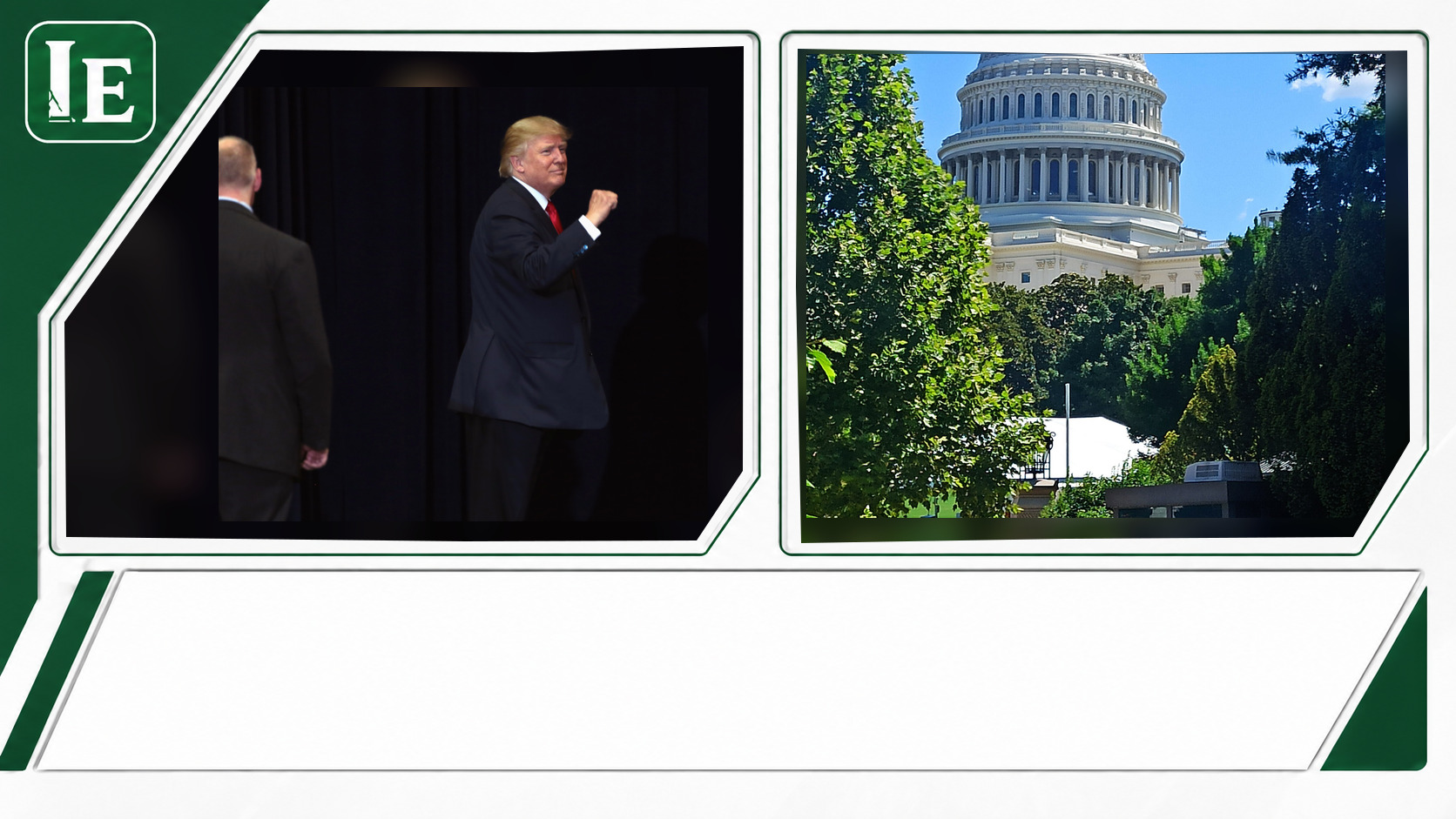
A change in control of the House, Senate or both would not automatically decide Donald Trump’s presidency. It could, however, reshape what Congress investigates, funds and blocks in Washington.
Donald Trump could face political or institutional problems if Congress could change party control in the midterm elections in the United States. A flipped U.S. Congress would not remove a president by itself, but it could alter the legislative agenda, intensify oversight and make fights over money, nominations and executive power far more consequential.
The central question is less whether one election result would paralyze Trump than which chamber changes hands. Control of the House, the Senate or both carries different powers—and the midterms could create pressure long before a new Congress is sworn in.
A flip changes who sets priorities
Party control determines who chooses committee chairs, schedules hearings, decides which bills receive votes and directs much of Congress’s investigative attention. That is the first and most immediate shift after a midterm change.
If the opposition wins the House, its leaders could set a different oversight agenda and use committees to seek documents, take testimony and scrutinize administration decisions. If it wins the Senate, it gains major leverage over nominations and a different set of committees, while the House still retains its own investigative powers.
Winning only one chamber is not the same as taking Congress as a whole. A divided Capitol can make it harder for either party to move broad legislation, but it can still produce high-profile hearings, difficult confirmation battles and recurring budget confrontations.
Oversight becomes a major lever
Congressional oversight is often where a midterm shift becomes most visible. Committees can hold hearings, request records, issue subpoenas under their rules and place administration officials under sustained public examination.
That authority does not guarantee a particular outcome. Congressional investigations can uncover information, shape public debate and generate legislative proposals, but they do not substitute for courts, prosecutors or independent agencies. Executive privilege claims, litigation over subpoenas and partisan disputes can also slow the process.
Supporters of aggressive oversight argue that it is a core check on presidential power, particularly when one party controls the White House. Critics often counter that investigations can become political theater, especially in the run-up to the next presidential election. Both realities can coexist: hearings may have limited legal results while still carrying substantial political weight.
Money deadlines can force negotiations
Congress’s power over federal spending gives any new majority a practical point of leverage. Annual appropriations, funding deadlines and broader budget measures can force the White House and congressional leaders into negotiations even when they disagree on almost everything else.
A chamber controlled by Trump’s opponents could try to attach policy conditions to spending bills, seek more reporting from agencies or resist administration priorities. Trump could veto legislation, and a veto override requires two-thirds support in both chambers—an unusually high bar.
That means a congressional flip would not hand the opposition unilateral control. It would, however, make agreement harder to reach and increase the odds that routine funding debates become tests of political strength.
The Senate has its own leverage
The Senate’s role is especially important for many presidential nominees. Cabinet officials, judges, ambassadors and other senior posts can require Senate confirmation, giving the chamber a direct role in staffing an administration.
When the president’s party lacks a Senate majority, nominees may face longer waits, closer scrutiny or defeat. The precise effect depends on Senate rules, the size of the majority, whether individual senators break with their party and the type of nomination involved.
The House cannot confirm nominees, but it can use hearings, legislation and spending authority to challenge administration priorities. A split result—one party holding the House and the other the Senate—would therefore create separate, overlapping pressure points rather than a simple on-off switch.
The transition period still matters
Election night is not the moment congressional power formally changes hands. Newly elected members take office with the next Congress, which begins on January 3 of an odd-numbered year under the Constitution.
There can also be a post-election “lame duck” session, when the outgoing Congress meets after voters have chosen its successor. A Congressional Research Service report notes that such sessions are used to finish legislation and have also been used for appropriations, budget measures, nominations and other consequential business.
The CRS found that, from 1940 through 2016, seven lame duck sessions followed elections that changed the majority in one or both chambers. That history is a reminder that an outgoing majority may still act before the incoming one assumes control—though what it can accomplish depends on time, internal agreement and Senate procedure.
A midterm result would not settle everything
Midterms are frequently read as judgments on a president, but the practical consequences depend on the margins. A narrow majority can be fragile, particularly when members of the governing party disagree over spending, investigations or strategy.
Trump would still retain major presidential authorities, including the veto and the ability to direct the executive branch within legal limits. Congress, meanwhile, would still need to navigate its own rules, public opinion and the courts.
The clearest risk for any president after a congressional flip is not one automatic punishment. It is a changed governing environment: less control over Capitol Hill, more scrutiny of executive actions and more opportunities for conflict over the federal agenda. The unanswered question is whether a new majority would prioritize bipartisan dealmaking, investigations or both.
Leave a Reply