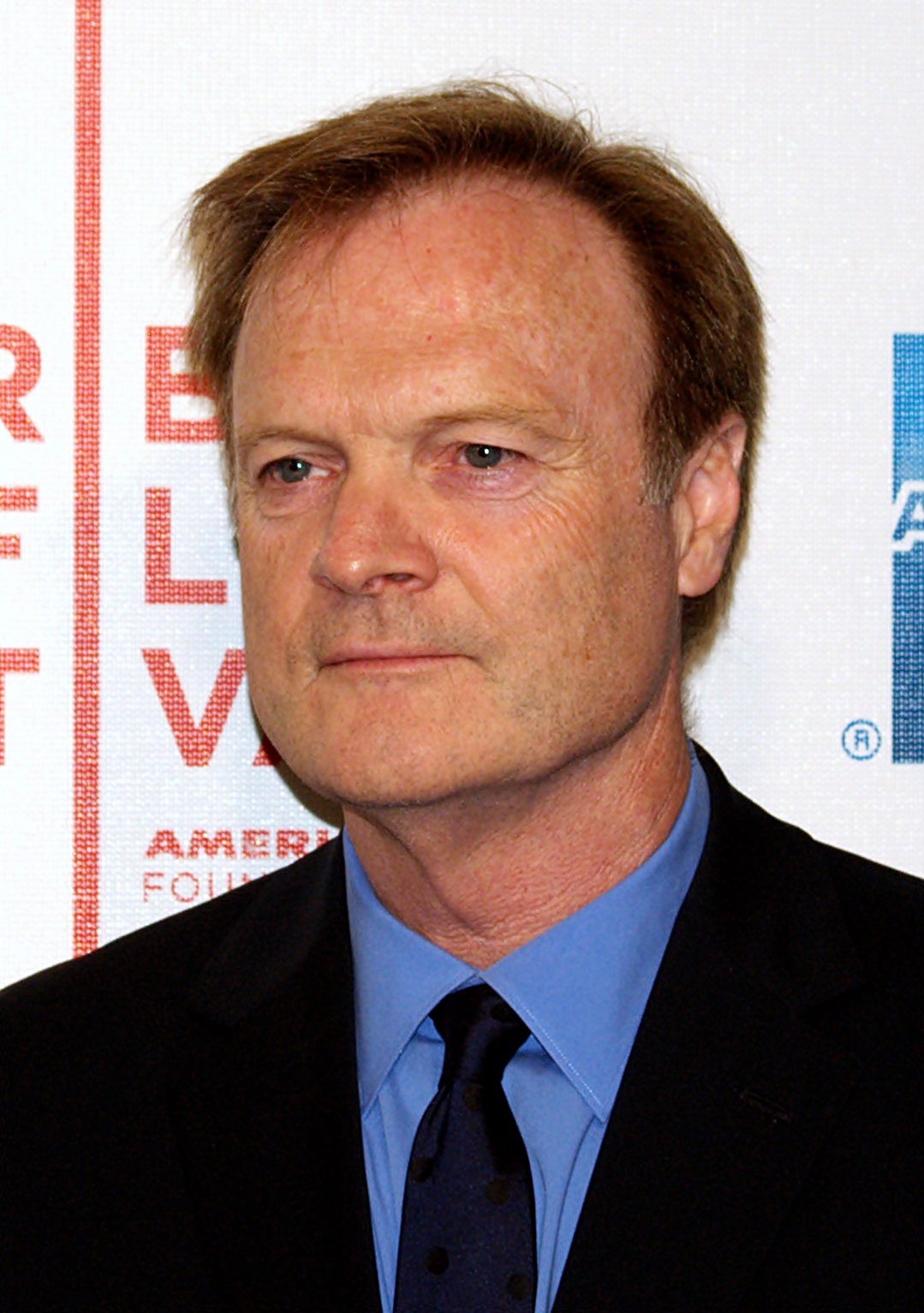
The MSNBC veteran’s critique cuts at one of Trump’s oldest political claims: that he can negotiate his way out of conflict. The sharper question is whether pressure on Iran is strategy, branding or a war trap.
Lawrence O’Donnell criticized Donald Trump on Tuesday on MS NOW over Trump’s handling of the Iran war, arguing that a president who vowed to end wars has, in five months, become lost in one. In the blunt segment, O’Donnell said “the whole world knows it,” described Trump as an exceptionally poor negotiator and called out what he characterized as genocidal threats against Iran in April.
The remarks, reported by HuffPost and surfaced on MSN, were framed as a devastating reality check for Trump because they hit the center of his political identity: the self-styled dealmaker who says he can bend global crises to his will.
O’Donnell targets Trump’s core pitch
O’Donnell’s criticism was not just about one foreign policy decision. It was about Trump’s broader promise that his instincts, threats and personal diplomacy would keep the United States out of wars or end them quickly.
That is why the “whole world knows it” line landed as more than cable-news flourish. O’Donnell was arguing that Trump’s weakness is visible not only to domestic critics but to foreign governments watching how he handles pressure, risk and negotiation.
In that framing, the Iran war becomes a test of Trump’s strongest campaign mythology. If he cannot control escalation after promising to end wars, critics can cast the conflict as evidence that his brand has outrun his governing record.
Trump’s defenders see the same posture differently. They often argue that his blunt threats and willingness to project force are part of the leverage needed to deter adversaries and bring them to the table. O’Donnell’s segment rejected that logic, portraying the approach as evidence of poor negotiation rather than strength.
The negotiator image takes damage
O’Donnell’s sharpest point was personal as much as political: he described Trump as an exceptionally poor negotiator. That matters because Trump has spent decades selling negotiation as his signature skill, from business branding to presidential campaigns.
For supporters, that reputation is central to the argument that Trump can handle hostile leaders better than traditional politicians. For critics, it has always been inflated, built on performance, pressure tactics and media projection rather than disciplined statecraft.
The Iran war gives that dispute a concrete stage. Negotiation in a war context is not a boardroom scene. It involves intelligence assessments, allied coordination, military risk, civilian consequences, domestic law, congressional pressure and the possibility that one misread signal can widen a conflict.
O’Donnell’s “reality check” was aimed at that gap between image and execution. A president can promise simple answers on a campaign stage. A war, especially one involving Iran, tends to expose whether those answers survive contact with actual events.
A vow to end wars collides
The political tension is straightforward: Trump has long vowed to end wars, yet O’Donnell argued he has become entangled in the Iran war within five months. That contrast is the heart of the attack.
Presidents frequently discover that foreign policy punishes clean slogans. Barack Obama campaigned against the Iraq War and still expanded drone warfare. Joe Biden ended the U.S. war in Afghanistan but faced lasting criticism over the chaotic withdrawal. Trump’s vulnerability is different because he made personal mastery the point.
If the public sees the Iran conflict as unavoidable or successfully managed, Trump may try to frame it as proof of resolve. If it looks open-ended, improvised or driven by threats that did not produce results, the “end wars” promise becomes a liability.
That is why O’Donnell’s critique is likely to travel beyond viewers who already agree with him. It offers a simple opposition message: Trump said he would stop wars, but he is now stuck in one.
April threats raise the stakes
O’Donnell also pointed to Trump’s April rhetoric toward Iran, which he characterized as genocidal threats. That is a serious charge, and it belongs in the realm of attributed criticism unless the exact language and context are evaluated separately.
The distinction matters. In foreign policy, threats can be read as deterrence, escalation, domestic theater or reckless signaling depending on what was said, who heard it and what followed. Allies, adversaries and military planners all parse presidential language for clues.
Critics of Trump argue that extreme rhetoric can narrow diplomatic options. Once a president publicly threatens overwhelming consequences, backing down can look weak, while following through can deepen a conflict. Either path carries costs.
Supporters counter that adversaries such as Iran respond to strength, not restraint, and that explicit threats can prevent worse outcomes by making consequences unmistakable. O’Donnell’s response was to treat the rhetoric as part of the problem: a sign that Trump was not negotiating from control, but performing toughness while losing strategic ground.
Why the segment resonated
The reaction to the HuffPost/MSN item suggests the clip caught a nerve because it compressed a complicated foreign policy argument into one accusation: Trump’s public image is failing an international test.
Cable commentary often thrives on sharp phrasing, but the underlying issue is real. Voters do not need to follow every military or diplomatic development to understand the political contradiction between “I will end wars” and “the country is now in a war.”
O’Donnell is also a familiar Trump critic, which shapes how the segment will be received. Viewers on the left may see the remarks as a clear articulation of what they already believe. Trump supporters may dismiss them as partisan cable commentary. Persuadable voters are the harder audience, and they may focus less on O’Donnell than on whether the war appears controlled.
That is the risk for Trump. Commentary can be brushed aside; events cannot. If the Iran war worsens, remarks like O’Donnell’s become part of a larger narrative. If tensions ease and Trump can claim a favorable outcome, the critique may fade as another heated television moment.
What remains unclear now
The biggest unanswered question is whether Trump’s handling of the Iran war will be judged by process or outcome. Presidents often survive criticism of their methods if voters believe the result was successful. They struggle when the result is uncertain and the method looks chaotic.
It is also unclear how much congressional scrutiny, allied concern or public fatigue will shape the next phase. War powers, diplomatic backchannels and military objectives can quickly become central if the conflict drags on.
O’Donnell’s segment did not settle those questions. It sharpened them. His argument was that Trump’s promise to end wars has collided with a conflict that exposes the limits of threat-based diplomacy.
The clean takeaway is that Trump’s dealmaker brand is now being tested in the harshest possible setting. O’Donnell’s “the whole world knows it” line was designed as a verdict. Whether it becomes one politically depends on what the Iran war looks like in the weeks ahead.
Leave a Reply