A cluster of small tremors has renewed attention on the Hayward Fault beneath the San Francisco Bay Area. The immediate shaking was minor, but the fault’s path through dense communities and its history explain why scientists closely track it.
Rapid-fire earthquakes struck California along the Hayward Fault in the San Francisco Bay Area, with four minor earthquakes reported in the recent sequence. The Hayward Fault is considered one of America’s most dangerous fault lines because it runs through densely populated East Bay communities and has the potential for a major future earthquake.
The small tremors do not, by themselves, establish that a large quake is imminent. But they are a timely reminder of a fault whose last major recorded rupture occurred on October 21, 1868—and whose consequences today would reach far beyond the ground directly above it.
Four small quakes, one big question
The reported activity involved four minor earthquakes along the Hayward Fault. Small earthquakes are common across California, where crustal plates and fault systems are continually moving, and a short-lived cluster can draw attention without becoming a wider emergency.
The key distinction is between detecting seismic activity and predicting a specific major earthquake. Scientists can map faults, measure motion and estimate long-term hazards, but a handful of small events cannot reliably tell officials the exact time, place or size of a future damaging quake.
That uncertainty creates two very different public reactions. One view is that any activity on a high-risk fault deserves urgent scrutiny; the other is that treating every minor sequence as a warning of disaster can create needless alarm. Both points can coexist: the events merit monitoring, while their meaning should not be overstated.
Why the Hayward Fault stands out
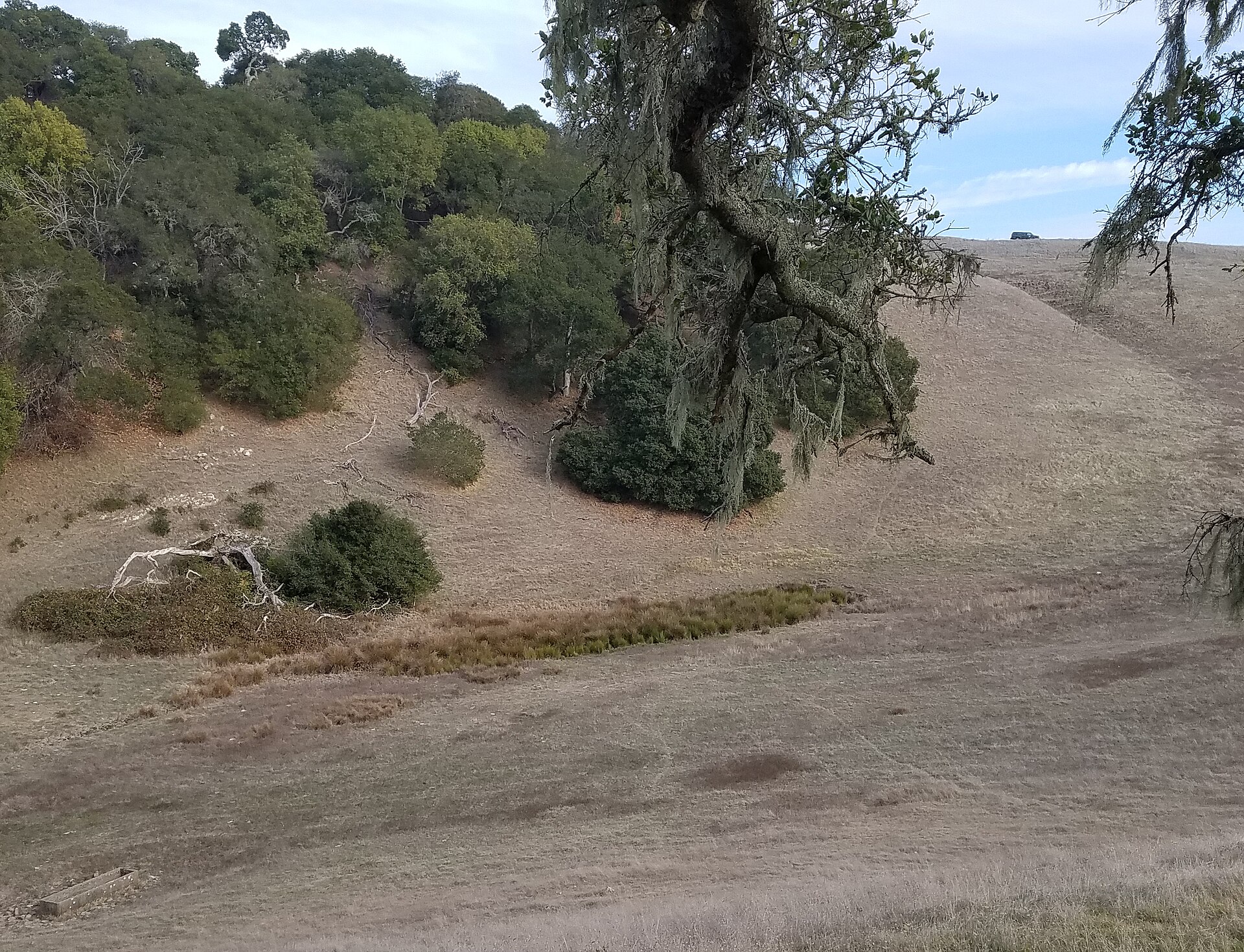
The Hayward Fault runs roughly 74 miles from the San Jose area north along the East Bay Hills toward San Pablo Bay, according to the California Department of Conservation’s Hayward Fault fact sheet. It lies east of, and roughly parallel to, the better-known San Andreas Fault.
Its risk is closely tied to where it runs. Communities on or near the fault include San Jose, Fremont, Hayward, San Leandro, Oakland, Berkeley, Richmond and Milpitas. A major rupture would not be a distant geological event; it would unfold beneath a heavily built region with homes, schools, roads, utilities and transit lines nearby.
The department says the fault is considered among the world’s most dangerous because scientists believe it is due for a large earthquake and because it passes beneath a densely populated part of California. That is the practical meaning behind the dramatic label: exposure, not just magnitude, drives the danger.
The 1868 quake still frames risk
The largest earthquake on the Hayward Fault in recorded history is estimated at magnitude 7 and struck at 7:53 a.m. on October 21, 1868. The California Department of Conservation says the rupture moved north from the Warm Springs area of Fremont, possibly as far as Berkeley, with maximum horizontal displacement of about six feet.
Known at the time as the “Great San Francisco earthquake,” the 1868 event damaged nearly every building in Hayward and caused substantial damage in San Francisco, Fremont, San Jose and San Leandro. Thirty people died, according to the state fact sheet.
The regional stakes have changed radically since then. The greater Bay Area’s population was about a quarter-million in 1868. Today, millions of people live, work, travel and depend on infrastructure near or across the fault zone.
Old forecasts show the scale
A Uniform California Earthquake Rupture Forecast, Version 2, released in 2008 and cited by the California Department of Conservation, put the chance of a magnitude 6.7 or greater Hayward Fault earthquake at 31 percent over the following three decades. That figure is a long-term hazard estimate, not a countdown or a prediction tied to the current minor sequence.
State materials also describe a more severe possibility. The Hayward Fault is thought capable of producing an earthquake as large as magnitude 7.5. Scientists have considered whether it may be connected with the Calaveras Fault to the south and fault systems farther north, a question that could affect the maximum size of a rupture.
Scenario planning illustrates why officials focus on resilience. A 2008 estimate cited by the department found that a repeat of the 1868 event could affect more than five million people, leave 100,000 or more people homeless and cause $165 billion in residential and commercial property damage. Such scenarios are not forecasts; they are tools for understanding exposure and preparedness needs.
Infrastructure could amplify disruption
A large Hayward Fault earthquake could damage more than buildings. The fault crosses or approaches major transportation and utility corridors, including freeways, Bay Area Rapid Transit tracks and the Hetch Hetchy Aqueduct, the department says.
That raises difficult questions after the shaking stops: whether water remains available for drinking and firefighting, whether hospitals can operate, and how quickly workers can reach damaged areas. The state notes that a sizable event could interrupt water supplies to nearly half of the Bay Area.
Secondary hazards add to the challenge. Landslides, fires and liquefaction can complicate rescue and recovery, while road closures can isolate neighborhoods and slow repairs. Retrofitting has improved parts of the region, but the scale of interconnected infrastructure means risk cannot be eliminated building by building.
Fault creep is not a safety valve
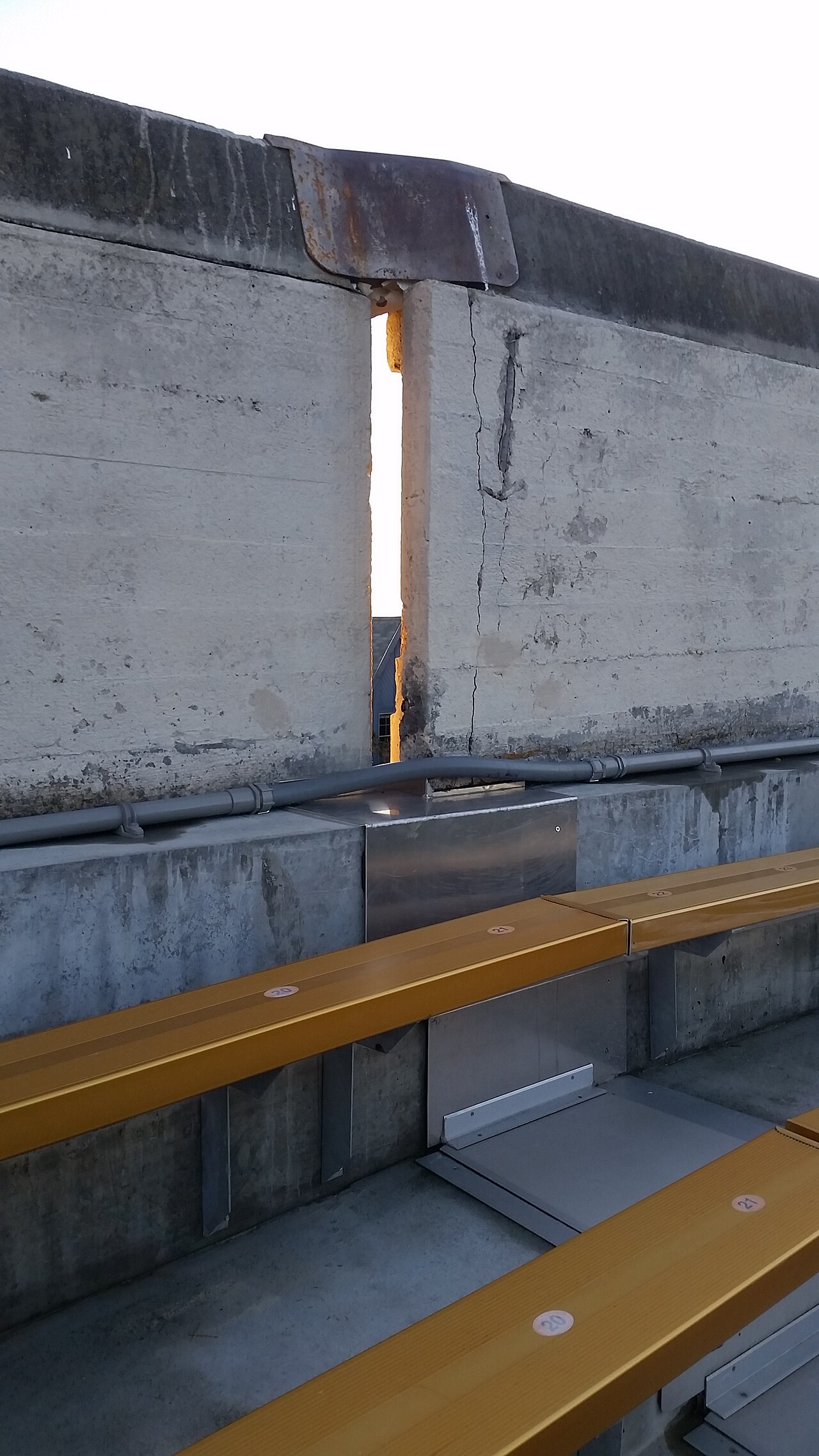
The Hayward Fault also experiences aseismic creep: gradual ground movement that can shift sidewalks, pipelines and other structures by a few millimeters a year. At UC Berkeley’s Memorial Stadium, the state says creep has offset the two sides of the structure by more than a foot since it was built in 1923, requiring expansion joints and retrofitting.
It can be tempting to assume that this slow movement harmlessly releases all the fault’s strain. The state’s explanation is more cautious: creep accounts for only a small part of the total motion along the fault over geologic time, while earthquakes account for the rest.
For now, the reported four minor earthquakes are a monitoring event, not proof of a coming major rupture. Their real significance is the reminder they provide: on the Hayward Fault, preparedness for a long-term, well-documented risk matters more than trying to read a precise forecast from a few small shakes.
Leave a Reply