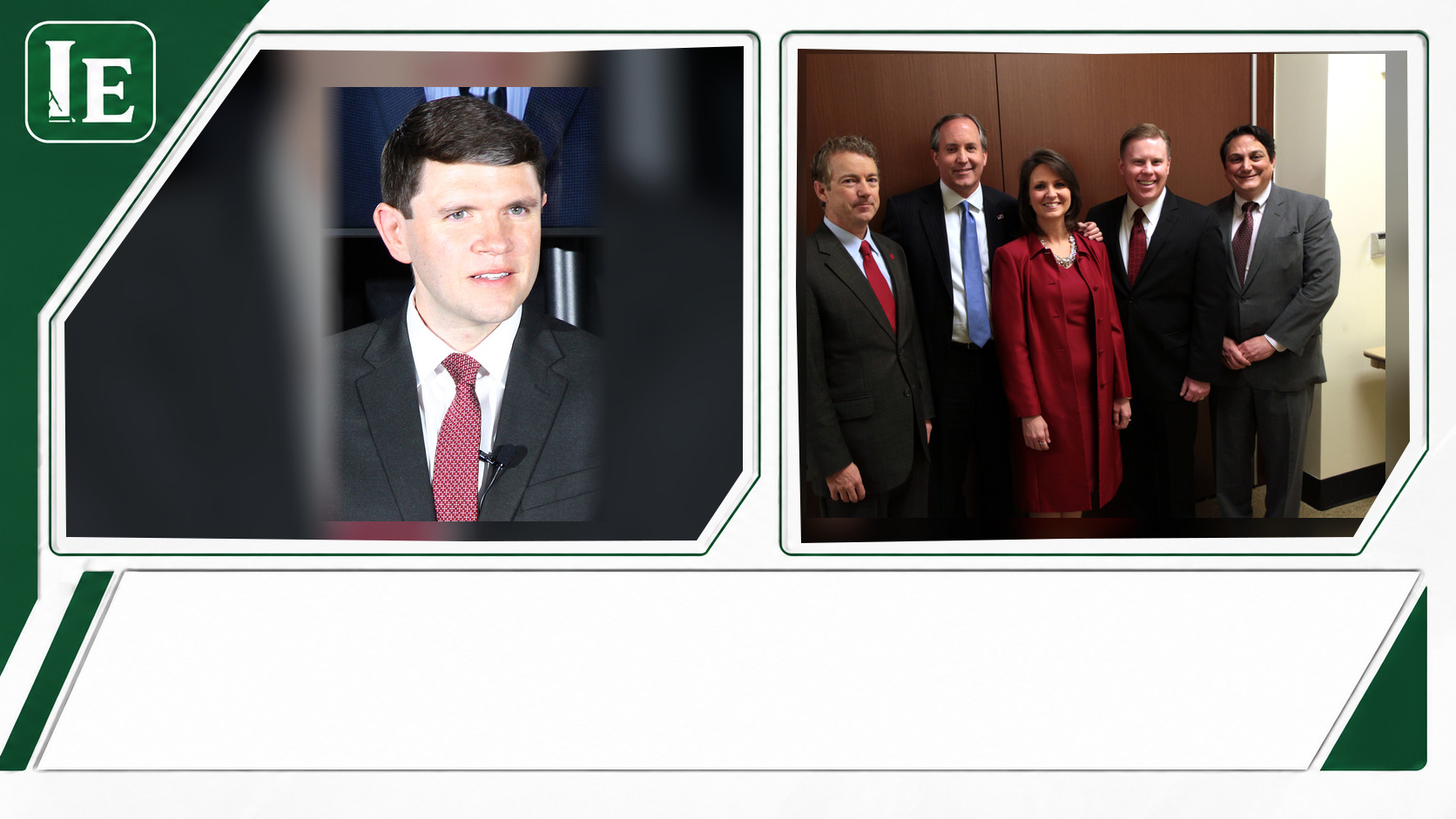
The Texas Senate contest is testing competing political visions of Christianity, not simply competing campaign messages. Talarico’s faith-forward appeal and Paxton’s objections put religious identity, policy and the limits of government power in the same argument.
James Talarico is making faith central to his Texas Senate campaign, using Christian language to discuss health care, immigrants and public service. Ken Paxton and other Texas Republicans are challenging Talarico’s religious message, turning faith into a Texas Senate battleground in a race NPR describes as close and important to Republican hopes of retaining control of the U.S. Senate.
Talarico, the Democratic Senate nominee, says his Christianity informs his politics. Paxton, the Texas attorney general and his Republican opponent, has questioned whether that faith presentation is genuine. Their clash is really a dispute over who gets to define the role Christianity should play in public life.
A campaign built around faith
Talarico has not treated religion as a passing reference on the trail. He has spoken openly about being Christian and linked that identity to support for health care, veterans and immigrants.
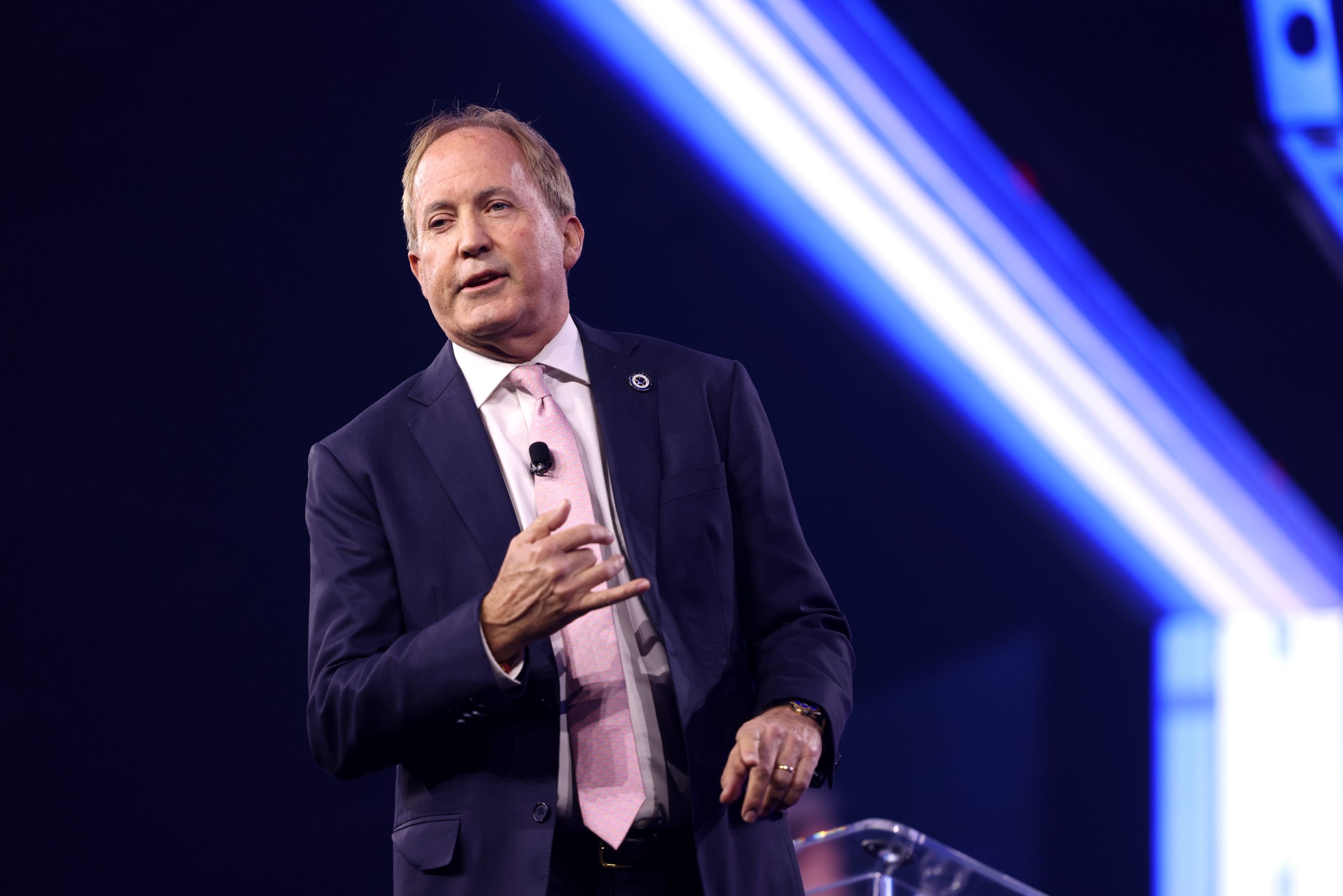
In an appearance at Brentwood Baptist Church in southwest Houston, NPR reported, Talarico addressed the congregation as “a fellow Christian.” He preached from the Gospel of Luke and described Christianity through the command to “love God and love neighbor.”
That framing connects religious conviction with compassion for people facing hardship. It also gives Talarico a way to make a policy argument in explicitly moral terms rather than leaving faith language largely to Republicans.
His biography is part of that appeal. Talarico is a Texas House member, former middle-school teacher and student at Austin Presbyterian Theological Seminary. He has cited his grandfather, a Baptist preacher in South Texas, as an important influence on his understanding of Christianity.
Paxton contests Talarico’s credibility
Paxton has made Talarico’s religious identity a direct target of his campaign critique. At a rally in July, Paxton called Talarico a “deceiver” and said Texans could not allow the state to turn on someone who, in Paxton’s words, did not want people to know “who he really is.”
The attack is significant because Paxton is also presenting himself as a person of faith while appealing to conservative evangelicals. The argument is not merely whether religion belongs in the campaign; both candidates are putting faith before voters. The disagreement is over whose interpretation of Christianity carries credibility.
Texas Lt. Gov. Dan Patrick has joined the criticism. At the state GOP convention, Patrick called Talarico’s religious language blasphemous and said he would pray for him.
Those statements give the contest a sharper edge than a standard policy disagreement. Talarico is being challenged not only on his positions, but on whether he has the standing to invoke faith in support of them.
Policy is Talarico’s counterargument
Talarico’s response has been to move from questions about personal belief to the consequences of government choices. NPR reported that he told supporters the “real blasphemy” is removing sick people from health care to finance tax cuts for billionaires.
His campaign has used biblical reasoning to defend health care, veterans and immigrants. The underlying case is that Christianity can lead a candidate toward a different set of priorities than those advanced by Texas Republicans.
That distinction matters. Talarico is not arguing that faith should be excluded from politics. Instead, he is arguing that public religious conviction can support a more expansive view of public service and care for people in need.
There is no public evidence that Paxton’s criticism has cost Talarico votes. What is clearer is that the criticism has drawn more attention to Talarico’s religious message and created more opportunities for him to explain its connection to policy.
Theocracy marks a key divide
Talarico’s appeal to Christianity comes with an explicit limit on religious power in government. He has said faith is central to his life while also arguing that theocracy is among the most dangerous forms of government, because leaders may believe they are acting on a mission from God.
He is a prominent critic of Christian nationalism, broadly understood as the belief that the United States is a Christian nation and that government should promote Christianity. Talarico has argued that the ideology is influencing the federal government, including the Department of Defense.
That makes his message more complicated than a simple effort to sound more religious. He is drawing a line between personal faith guiding a public official and government enforcing or elevating a particular religious identity.
For supporters, that distinction may offer a way to speak about faith without endorsing religious control of government. For critics, his political positions remain central to their doubts about his religious claims. Neither side is treating the question as abstract.
Democrats face their own tension
Talarico’s approach also tests a tension within the Democratic coalition. NPR, citing Pew Research Center data, reported that fewer than one-third of Democrats nationwide say religion is very important in their lives.
A longtime Brentwood Baptist Church member told NPR that Democrats have talked about religion for years, but Republicans often do not want to recognize them as Christians when their politics differ. That reflects the broader fight surrounding Talarico: whether faith can be publicly claimed across ideological lines.
At a Democratic town hall, Talarico appeared to address that concern by distinguishing personal and political guidance from government-imposed religion. It is an argument aimed both at religious voters who may feel politically displaced and at Democrats wary of religious power in public institutions.
Why the fight carries weight
NPR has described the Texas Senate race as close, with Republicans viewing it as important to retaining control of the U.S. Senate. That larger stakes calculation makes the faith dispute more than a rhetorical sideshow.
Talarico is trying to define Christianity through neighborliness, public services and limits on religious authority in government. Paxton and other Republicans are challenging whether Talarico can credibly occupy that ground at all.
What remains unclear is how much the dispute will change voter behavior. But it has already made religion one of the principal arenas of the campaign, bringing questions of identity, policy and political power together in a contest where each side is asking Texans to trust a very different account of public faith.
Leave a Reply