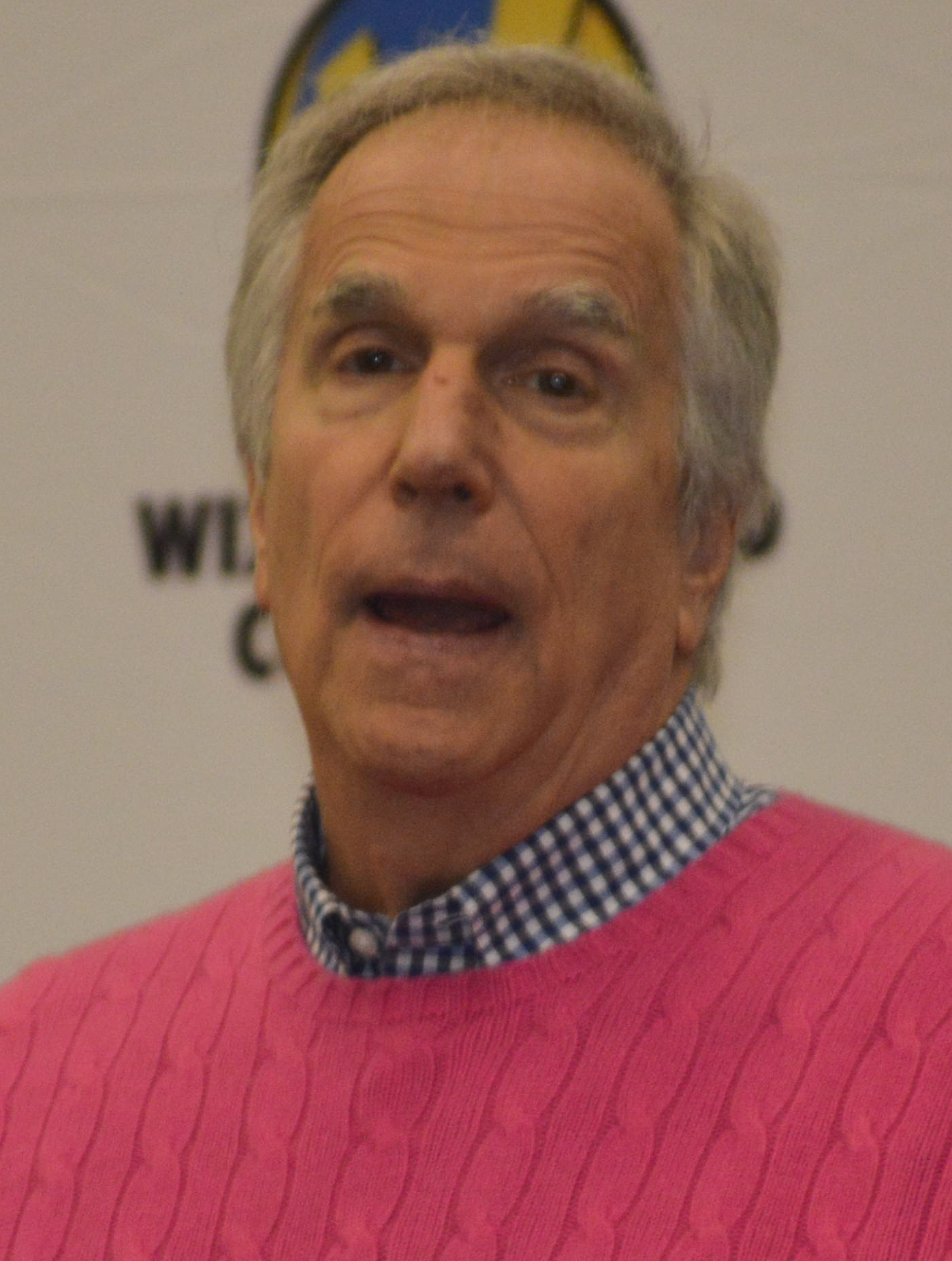
Winkler’s story is less about a decades-old feud than the working culture he says kept Happy Days running. His contrast with Ron Howard’s advice offers a revealing look at how the cast handled ego and frustration.
Henry Winkler recalled a Happy Days guest star who tested his patience on set: Denis Mandel, who played recurring character Eugene Belvin. At a July 11 fan-expo panel, Winkler said Mandel’s repeated talk about fan mail clashed with the ensemble-minded culture the Happy Days cast tried to protect.
The anecdote matters because it puts a specific name to an unusual behind-the-scenes story from one of television’s most durable sitcoms. Winkler framed the friction not as a battle over talent, but as a disagreement over whether individual stardom belonged in a workplace built around the group.
Winkler identified Eugene’s actor
Winkler did not initially name the performer during the panel appearance, as reported by Entertainment Weekly and later summarized by The Independent. But he gave the identifying detail: the actor “played Eugene.”
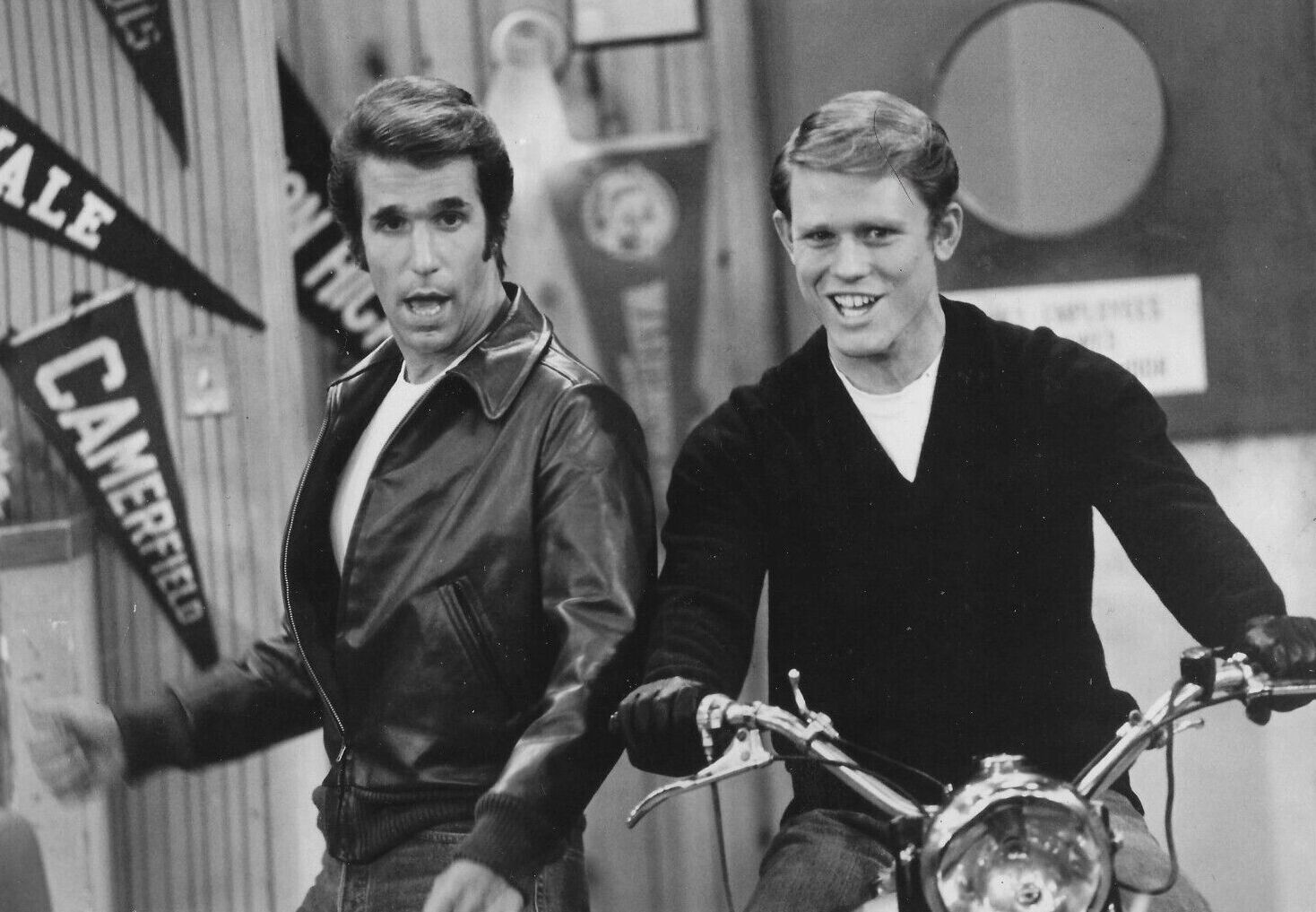
That points to Denis Mandel, who played Eugene Belvin in 10 episodes of Happy Days across its eighth and ninth seasons, from 1980 to 1982. Mandel’s character was a recurring presence rather than a one-off visitor, which helps explain why Winkler described the guest performer as someone brought back several times.
Mandel later appeared in series including Knots Landing and Homefront, according to the reporting. His last screen credit was in 2006, per IMDb. The available accounts do not include Mandel’s response to Winkler’s recollection.
Fan mail became the flashpoint
According to Winkler, the tension centered on the actor repeatedly mentioning his fan mail. Winkler said he responded by noting that he himself received 50,000 letters a week at the height of Happy Days popularity.
The point, in Winkler’s telling, was not to turn the exchange into a numbers contest. He said the cast did not discuss that kind of attention on set because everyone was there to work together.
Winkler recalled telling the actor, “We are all here as one.” He said the comments continued and described his own reaction in blunt terms. It is a pointed memory, but it remains one person’s account of interactions from more than four decades ago.
The cast culture Winkler describes
Winkler, who played Arthur “Fonzie” Fonzarelli, said there was “no stardom” on the Happy Days set. He described the regular cast as an ensemble focused on making the show funny each week.
That ideal is notable given how large Winkler’s own public profile became. Fonzie grew from a supporting character into the cultural phenomenon most associated with the series, and Winkler’s fan-mail figure illustrates the scale of that attention.
His version of the incident suggests that the cast’s unspoken rule was not that fame did not exist, but that it should not dominate the workday. For a long-running sitcom, where actors and crew must sustain a rhythm across years of production, that distinction can matter as much as any individual performance.
Ron Howard offered another model
Winkler contrasted the Mandel story with his affection for Ron Howard, who played Richie Cunningham before becoming an Oscar-winning director. The comparison adds a layer to Winkler’s account: he was not presenting himself as above frustration.
He recalled struggling with a scene and punching his script. Howard, he said, put an arm around him, walked him to the back of the soundstage and reminded him that the writers were working as hard as they could.
Winkler said he promised never to hit his script again. He credited Howard’s calm response and described his former co-star as wise even at a young age.
The two memories work as companion pieces. One involves Winkler drawing a boundary around perceived self-promotion; the other involves Howard helping Winkler rein in his own temper. Both hinge on the same principle: protect the people doing the work.
Anecdote, not a full verdict
Celebrity set stories often invite readers to choose a villain, but this one has clear limits. Winkler shared a memory and an opinion at a public panel; the reporting does not supply Mandel’s perspective, a contemporaneous production account or details about every interaction between the two men.
There is also a difference between a difficult professional encounter and a complete account of a person’s career or character. Mandel appeared in multiple episodes, indicating that the production continued to employ him during the show’s later seasons.
Still, Winkler’s specificity makes the story resonate with fans. Rather than revisiting Happy Days simply as a nostalgic hit, he has described the values he believes held its core group together: humility, discipline and a shared responsibility for the show.
Why the story lands now
Winkler’s account offers a behind-the-scenes counterpoint to the cool, swaggering Fonzie persona. His most memorable lesson from the set is not about who had the most attention, but about how people responded when attention, irritation and pressure entered the room.
For Happy Days viewers, the identification of Mandel answers the obvious mystery. The more lasting takeaway is Winkler’s picture of an ensemble that treated fame as external to the job—and of a co-star, Ron Howard, who helped him live up to that standard when he lost his cool.
That does not settle every detail of a decades-old disagreement. It does explain why one recurring guest-star encounter stayed with Winkler long after the Milwaukee-set sitcom ended.
Leave a Reply