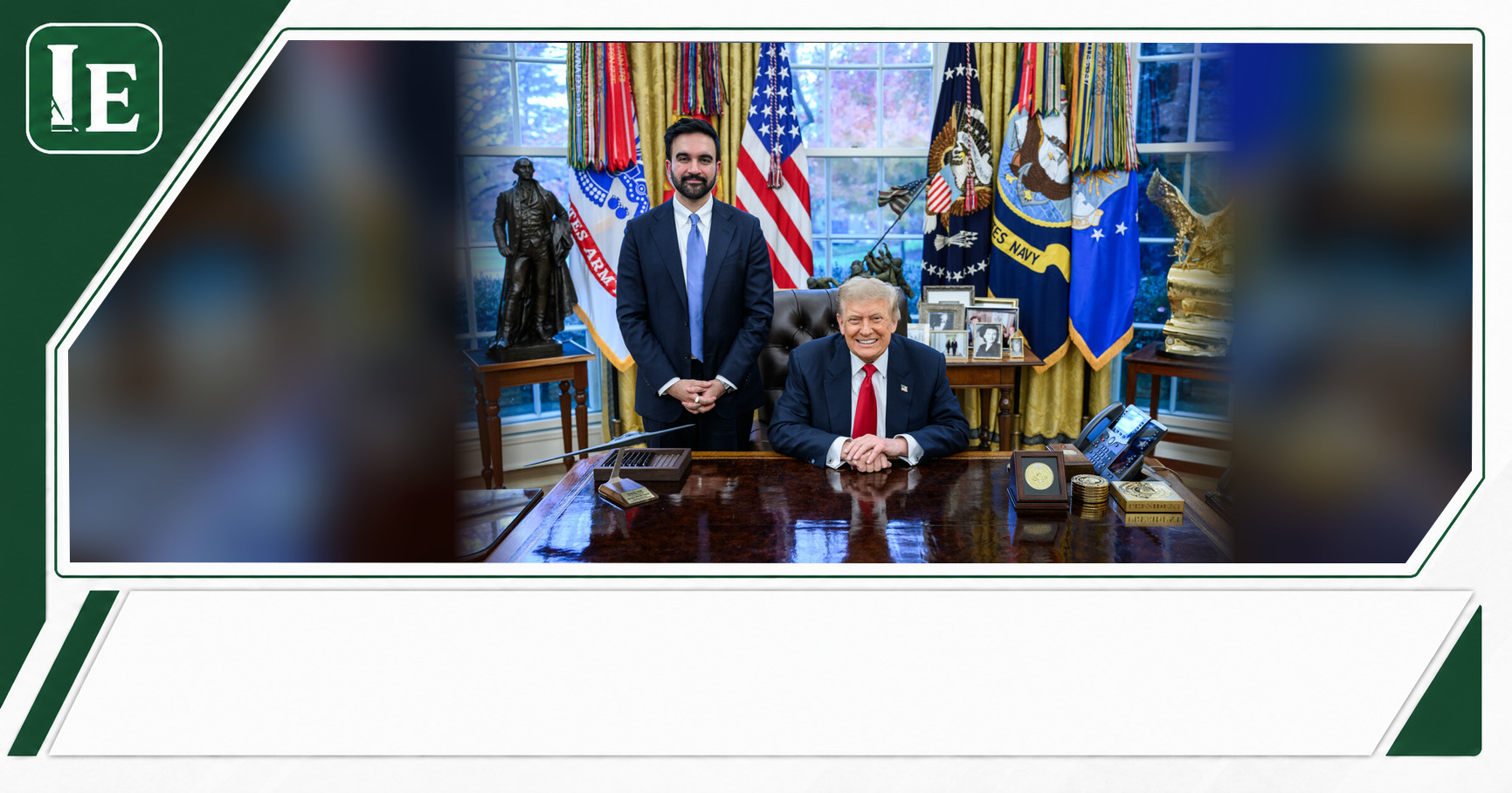
The immediate issue is whether Mayor Zohran Mamdani will attend a New York City 9/11 observance. The larger challenge is preserving a ceremony where grieving families feel their voices and choices are respected.
Mayor Zohran Mamdani is at the center of a dispute over a New York City 9/11 commemoration, and some 9/11 families are weighing whether to attend. Survivors and relatives have urged Mamdani not to take part, saying the controversy has reopened painful wounds around a ceremony intended to honor those killed in the September 11 attacks.
The question is not only whether Mamdani will be present. It is whether the dispute over his role could change participation in one of New York City’s most solemn annual observances. Mamdani has said he will “proudly honor” the victims of 9/11, while some family members fear people may stay away.
Attendance is now the immediate test
A commemorative event can be measured in schedules, speakers and security plans. This disagreement has put a more personal measure at the forefront: whether relatives, survivors and others closely affected by 9/11 feel able to return.
According to CNN’s reporting, some family members worry that “a lot of people might not go.” That concern shifts the dispute beyond a disagreement over a mayoral appearance. It raises the prospect that an event designed for collective remembrance could be shaped by who decides not to participate.
For some people, attendance at a memorial is a private act of grief. Choosing not to attend can also communicate that they do not believe the setting reflects or respects their loss. Those two meanings can exist at the same time.
Mamdani has said he intends to attend
In a July city transcript, a reporter told Mamdani that a number of 9/11 survivors were calling on him not to go to 9/11 memorial services. Mamdani replied: “I will proudly honor the” victims, according to the excerpt provided by the city.
His response makes his immediate position clear: he sees taking part in remembrance as part of honoring those who died. It does not resolve the objections from people who believe his presence would undermine a meaningful observance.
The available material also does not establish what accommodations, if any, may have been discussed between the mayor’s office and families raising concerns. That distinction matters because the public record described here does not provide every allegation, demand or conversation behind the dispute.
A memorial is not a routine event
Public officials commonly appear at civic ceremonies. A 9/11 commemoration carries a different weight for families of those killed in the attacks, survivors, first responders and lower Manhattan residents.
For many, it is among the recurring public occasions when personal grief is acknowledged in a shared setting. Decisions about who attends, who speaks and how the day is presented can therefore carry consequences beyond ordinary political symbolism.
That does not mean public leaders have no role in memorial events. A mayor represents the city and may regard attendance as an obligation. But when an official’s presence becomes the subject of the dispute, the official is no longer simply a background participant in the ceremony.
The competing views are difficult to reconcile. Critics calling for Mamdani to stay away appear to regard his attendance as incompatible with an appropriate observance. Mamdani’s statement indicates that he views participation as a way to honor victims. Neither position alone settles how the ceremony can avoid becoming centered on the conflict itself.
Some families do not speak for all
The reporting identifies renewed pain and concern among some 9/11 families. It does not describe a single view shared by every relative, survivor or New Yorker affected by the attacks.
That is an important limit on broad claims about the dispute. The community connected to 9/11 is large and diverse, and relatives and survivors are not politically uniform. A family member who supports Mamdani’s attendance and one who opposes it can both have deeply personal ties to the day.
Still, a concern voiced by part of that community can materially alter the tone of a memorial. The goal is not necessarily to eliminate every disagreement. It is to ensure that grieving people are not made to feel that their connection to the event is secondary to a public argument.
City Hall faces unanswered questions
As the commemoration approaches, key details remain unresolved in the available reporting. It is unclear how broad the objections are, whether organizers have altered any ceremonial plans, and how many relatives might decide not to attend.
It is also unclear what direct engagement, if any, has occurred between Mamdani’s office and families who object to his role. Those answers could determine whether the disagreement remains limited or becomes a defining feature of the observance.
For New York City, the challenge is larger than a single attendance decision. The city must recognize the mayor’s civic role while protecting a day that belongs first to people who lost loved ones and to those living with the consequences of 9/11.
The measure will be room for grief
Mamdani’s pledge to honor the victims may reassure some New Yorkers. Others may see the controversy as evidence that more listening and repair are needed before a day of remembrance arrives.
What is clear is that a 9/11 commemoration cannot be treated as an ordinary political appearance. The outcome will depend less on whether every objection disappears than on whether families believe their losses, their voices and their decisions about attendance have been taken seriously.
Leave a Reply