
Hayden Panettiere’s last public reflections on her 11-year-old daughter centered on a decision she described as devastating but necessary. Her comments offer a fuller picture of motherhood, addiction recovery and the limits of public assumptions.
Hayden Panettiere made emotional final public comments about her daughter Kaya in a July interview, speaking about the painful custody decision that left Kaya living with her father, Wladimir Klitschko. The interview, published weeks before Panettiere’s death and revisited after her representative confirmed her death on Aug. 16, focused on her love for her 11-year-old daughter and her effort to recover.
The comments were about Kaya, but they also addressed the private struggles behind a public story that has often been reduced to one fact: Panettiere did not retain custody. Her account framed that decision as an attempt to protect her child while she sought help.
A final interview with Kaya in focus
Panettiere spoke to parenting magazine Momé for a July cover story titled Hayden Panettiere Never Stopped Choosing Her Daughter. USA TODAY reported that the interview was conducted only weeks before her death.
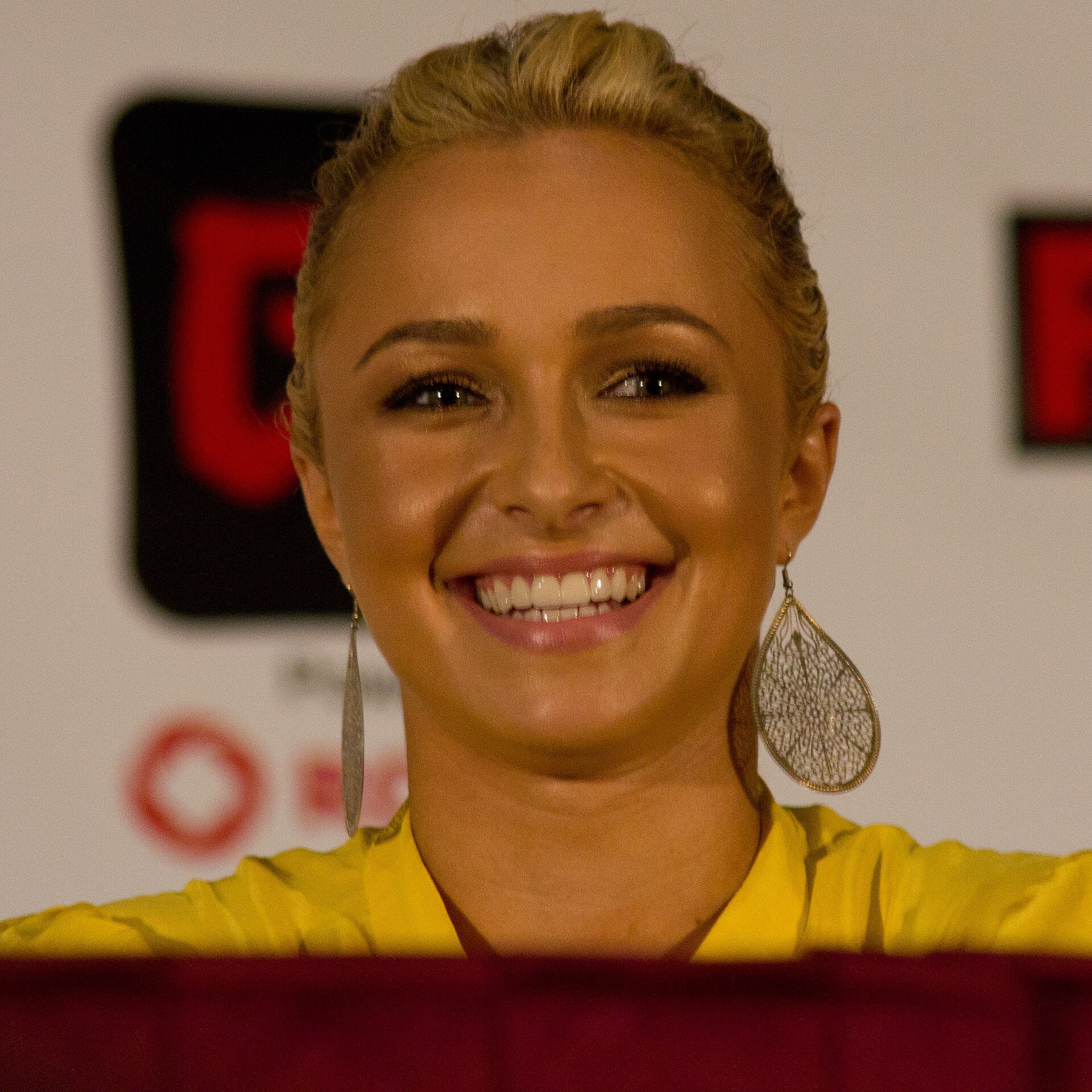
Rather than describing a tidy recovery, Panettiere called herself a work in progress. She said she was taking life day by day and trying to do the work required of her.
Her most direct message was about her continuing relationship with Kaya. Panettiere said she loved her daughter, was proud of the young person she was becoming and remained in frequent contact with her.
That matters because the interview did not present distance as indifference. Panettiere described a bond she felt was still active, even as she acknowledged that Kaya might one day need to understand why her mother was not able to be with her all the time.
The trauma she described after birth
According to USA TODAY’s account of the Momé interview, Kaya was born in December 2014 after a traumatic and near-fatal delivery. Panettiere said she needed seven blood transfusions and three hours of surgery.
She also described an experience that can be especially difficult to discuss publicly: not feeling the instant emotional connection to her newborn that she believed she was supposed to feel. Panettiere said the absence of that feeling left her confused and ashamed.
She later identified postpartum depression as part of the crisis that followed. Postpartum depression can affect mood, functioning and a parent’s ability to feel connected; it is not a moral verdict on a parent or a measure of how much they love their child.
Panettiere’s account is personal, not a clinical explanation for every family’s experience. Still, it put a recognizable human reality behind a period that outsiders may have viewed only through celebrity headlines and custody reports.
Why custody went to Klitschko
Panettiere and Klitschko, the Ukrainian former boxing champion to whom she was once engaged, shared Kaya. USA TODAY reported that Klitschko sought full custody when Kaya was 2, citing concerns about Panettiere’s care during a difficult period in her life.
Panettiere said she did not make the decision lightly and did not want to give up custody. In her telling, accepting the arrangement was tied to a hard conclusion: she needed treatment and needed to put Kaya’s safety ahead of what she wanted in that moment.
That distinction is central to how she described the experience. A custody outcome can become a shorthand in public conversation, inviting judgments about a parent’s character without accounting for illness, treatment, family circumstances or the choice to seek help.
None of that erases the pain of separation. Panettiere characterized it as one of the hardest decisions of her life, while also suggesting that recovery required her to stop measuring herself only against what she could not change.
Recovery was not presented as simple
Panettiere told Momé that she turned to alcohol while struggling with emptiness and shame, and that it developed into alcohol dependency. She said she entered rehab, where learning to forgive herself became part of the work.
In her memoir, This Is Me: A Reckoning, released May 19, Panettiere wrote about the severity of her substance-use struggles. USA TODAY reported that she recalled a doctor warning that continued drinking could be fatal and that she also discussed becoming dependent on Klonopin.
Her comments resist two familiar but incomplete stories: the idea that recovery is quick once someone enters treatment, and the idea that a person’s worst period should define everything that follows. Panettiere did not claim to be fully healed. She described ongoing effort.
That candor is likely why the interview has landed so heavily after news of her death. Her words were not polished into a comeback narrative; they were an account of accountability, regret and determination to stay connected to her daughter.
What remains unknown after her death
Panettiere’s representative confirmed her death to USA TODAY on Sunday, Aug. 16. The source reported that a cause of death had not been publicly shared.
That uncertainty is important. Public grief can quickly turn into speculation, especially when a person has previously spoken about addiction or mental health. Panettiere’s past disclosures do not establish the cause or circumstances of her death.
Tributes from colleagues followed the announcement, including a message from Viola Davis, who described her former co-star as an old, wise soul with a deep heart. The response reflects the many versions of Panettiere known to the public: a performer, a colleague, a mother and a person who chose to speak candidly about difficult years.
Her final comments about Kaya leave the clearest takeaway: she wanted her daughter to know that absence did not mean a lack of love. For readers confronting the subject through the lens of a celebrity story, that is the part worth holding onto.
Help for substance-use concerns
People experiencing substance-use concerns, or those worried about someone close to them, do not have to handle the situation alone. In the U.S., the Substance Abuse and Mental Health Services Administration’s National Helpline is available at 1-800-662-HELP (4357).
The service can provide confidential treatment-referral information. In an immediate emergency, call 911 or seek local emergency assistance.
Leave a Reply