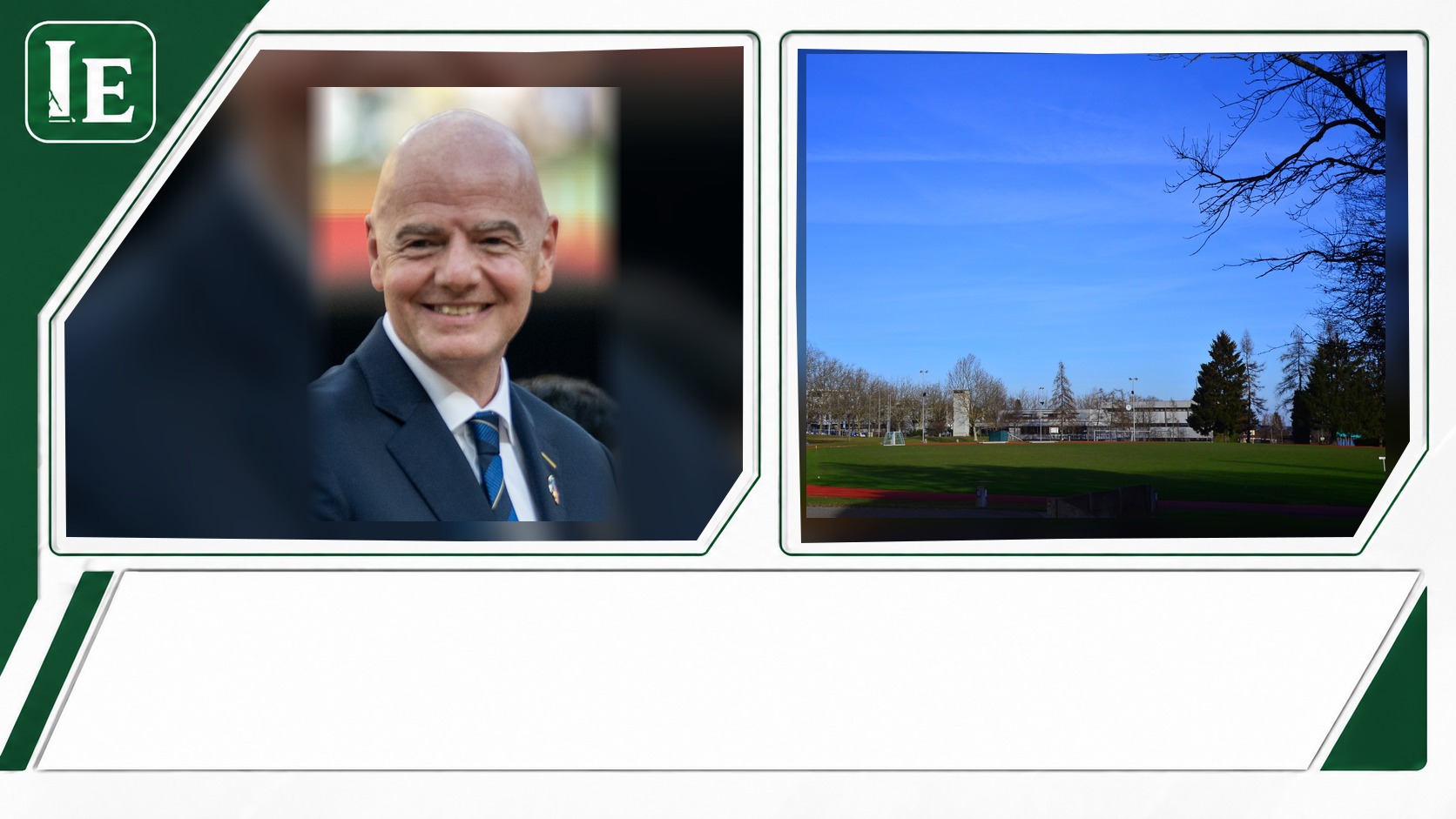
A player-led statement has pushed the debate over FIFA's direction into a new phase. Its supporters say the sport needs a real voice in major decisions, while Infantino still has prominent defenders.
Footballers have joined a backlash against Gianni Infantino, with current and former players calling for change at FIFA and declaring that “enough is enough.” Former Manchester United and France defender Mikael Silvestre, a member of FIFA’s Players’ Voice Panel, circulated a statement arguing that the game’s leadership has moved too far from players and supporters.
The intervention adds a new source of pressure on Infantino as FIFA president. It matters because the dispute is no longer confined to football’s governing bodies: players are now publicly challenging how major decisions affecting the World Cup and the wider game are made.
Silvestre’s statement broadens the challenge
Silvestre posted the statement on X under the heading “Enough is Enough!” According to the BBC, it has since been shared by England defender Lucy Bronze, former France midfielder Emmanuel Petit and former England goalkeeper David James.
The statement does not present a single administrative fix. Its core demand is broader: structural change at FIFA that gives players and fans a “real, direct say” in the running of the sport.
That makes the message notable in a sport where players can be the public face of competitions while having limited formal input into the commercial and governance choices made above them.
Players cite decisions made without them
The group’s criticism is aimed at what it describes as a growing disconnect between FIFA’s leadership and the people who play and follow football. It says major decisions have been taken without players being properly consulted or considered, and without adequate regard for fans.
Its language is pointed. The statement says the sport has drifted from its “core values” during FIFA’s current leadership, and argues that power has blurred the leadership’s judgment about what serves football rather than its own interests.
Those are political criticisms of governance, not allegations of a specific crime or legal wrongdoing. FIFA and Infantino’s supporters can reasonably argue that a global body must make difficult decisions across 211 member associations, often balancing sharply different financial and sporting needs.
The private-investment plan is central
The immediate backdrop is controversy over the FIFA Forward Enterprise, or FFE. Infantino’s plan to sell stakes in competitions, including the World Cup, to private investors has prompted opposition from several football confederations.
For critics, putting stakes in the game’s biggest events into private hands raises a basic question: who should benefit from football’s most valuable assets, and who gets to decide? The player statement says its signatories share concerns held by millions of fans.
Supporters of the idea see a different possibility. New investment could provide capital, spread opportunity more widely and help national associations that have historically had fewer resources than football’s richest countries and leagues.
The practical details remain crucial. The public debate has centered on the principle of selling stakes, but the ultimate impact would depend on the terms, investor influence, revenue distribution and safeguards for sporting independence.
Pressure has spread beyond players
The player action arrives during a wider challenge to Infantino’s leadership. UEFA has threatened to boycott FIFA competitions, while UEFA president Aleksander Ceferin has said he expects Infantino either to resign or to face an election challenge next March, according to the BBC.
National associations including those of England, Wales and Scotland have also withdrawn their support. Taken together, those moves show that the conflict is reaching across different layers of the game: confederations, national bodies, fans and now players.
Silvestre’s involvement carries particular symbolic weight because FIFA created its 16-member Players’ Voice Panel to monitor and advise on combating racism in football. A panel member publicly seeking change at the organization gives critics an internal connection, even though the panel’s remit is not a general governing board.
Infantino still has influential backing
The criticism is not universal. Samuel Eto’o, the former Barcelona striker and president of the Cameroonian Football Association, has defended Infantino and said he does not believe the FIFA leader has done anything wrong.
Eto’o told CNN that the project could help rebalance football’s power and create opportunities for countries whose talent can otherwise be lost to other national teams. He also credited Infantino with expanding access for smaller nations to major tournaments and accelerating development for African federations.
That defense reflects a fault line in the argument. For many established European voices, the concern is that commercial change could weaken accountability. For others, especially in parts of the game seeking greater investment and representation, reform may look like a route away from an older hierarchy.
What the demand can and cannot do
The players’ statement increases the reputational pressure on FIFA, but it does not itself remove a president, block an investment plan or alter the organization’s statutes. FIFA’s member associations hold the formal levers in elections and governance decisions.
Still, athletes have influence that institutional politics often lacks. Their support can turn a technical dispute over ownership structures into a clearer public question about consultation, legitimacy and the identity of the sport.
The next test is whether the call for structural change develops into specific proposals and a broader coalition. For now, the message from Silvestre and the players backing him is direct: decisions about football’s future should not be left solely to those at the top of FIFA.
Leave a Reply