The dispute puts a familiar retail question back in focus: when low-paid workers qualify for public assistance, who is really paying the cost of cheap labor?
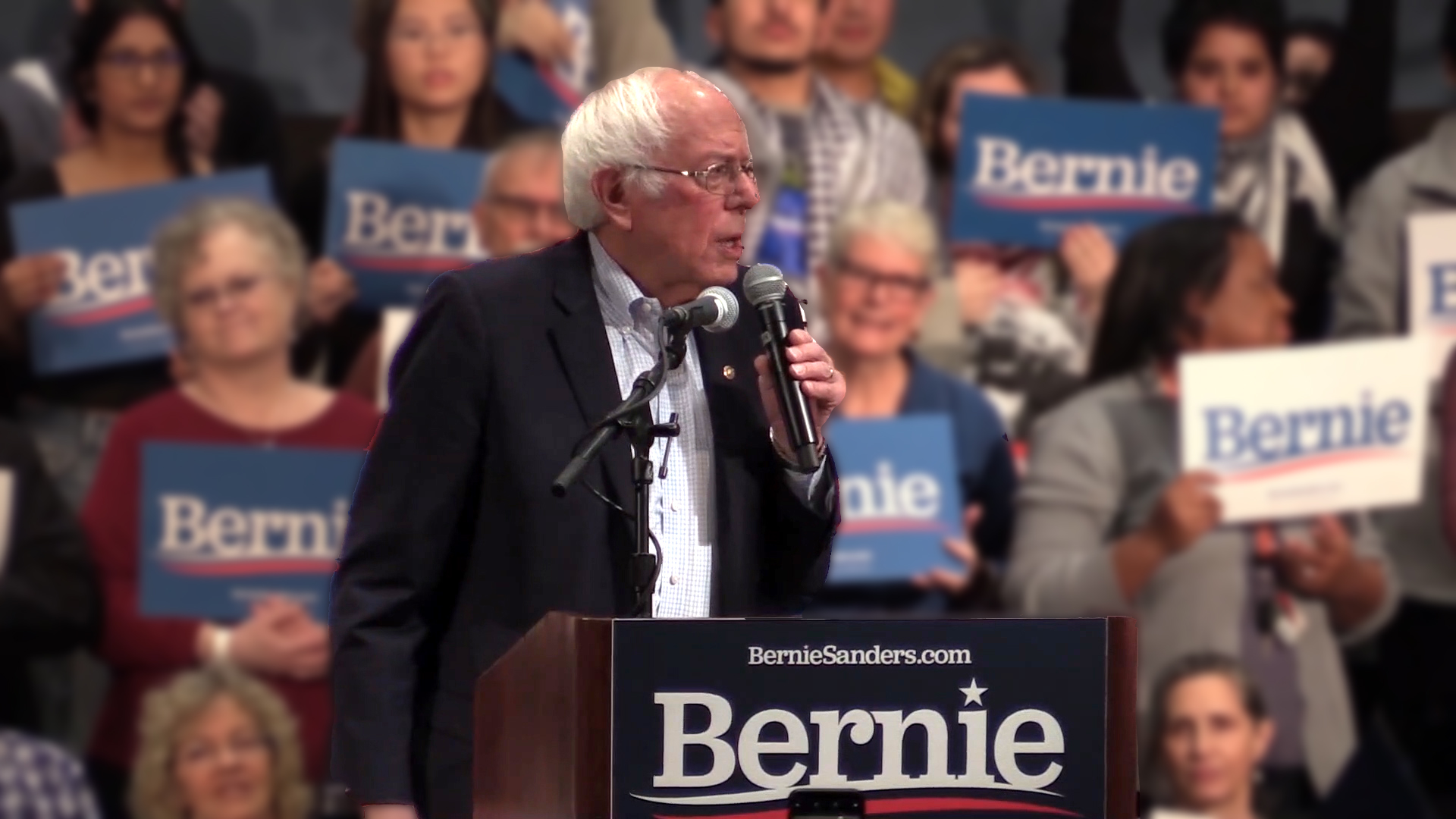
Sen. Bernie Sanders criticized Walmart for spending $37.6 billion on stock buybacks. Some Walmart workers relied on Medicaid and SNAP, taxpayer-funded health and food assistance programs, and the article explains why that situation is controversial: Sanders says taxpayers are effectively supporting low-paid retail work while shareholders benefit.
The clash behind the “Senator slams Walmart” moment is bigger than one retailer. It is a fight over buybacks, wages, tax breaks and whether public benefits are filling gaps left by some of the largest employers in America.
Sanders calls it corporate welfare
Sanders, an independent from Vermont and ranking member of the Senate Committee on Health, Education, Labor, and Pensions, has made Walmart a central target in a broader investigation into major retailers and public assistance.
In a Senate statement, Sanders said he was examining how Walmart, Kroger, Dollar General and Dollar Tree could benefit from tax breaks while “tens of thousands” of employees rely on Medicaid and SNAP. His office framed the issue as a taxpayer subsidy for profitable companies.
“It has never been acceptable that incredibly profitable companies like Walmart — owned by one of the richest families on Earth — pay their workers starvation wages, forcing many of them to rely on programs like Medicaid and SNAP,” Sanders wrote to Walmart, according to the Senate release.
That is the core accusation: Walmart can return billions to shareholders through stock repurchases while some employees still need public help for health care or food.
Why the buyback number stings
Stock buybacks are not illegal, and they are common among large public companies. A company uses cash to repurchase its own shares, which can lift earnings per share and reward investors.
But the $37.6 billion figure cited in the criticism lands differently when paired with Medicaid and SNAP. Sanders is arguing that capital choices are moral choices: money used to boost shareholder value could, in his view, be used to raise pay or improve benefits.
That argument has political force because Walmart is not a marginal business fighting to survive. It is one of the country’s largest private employers and one of the most recognizable companies in the world.
The harder question is whether buybacks directly cause workers to rely on benefits. Companies and investors often reject that link, arguing that buybacks reflect excess capital, long-term financial planning and obligations to shareholders. Labor advocates counter that when public programs support workers at profitable companies, taxpayers are carrying costs that employers could afford to reduce.
Public benefits complicate the math
Medicaid and SNAP are designed to help eligible low-income people, not to punish them for where they work. Many workers qualify because of hours, household size, local wages, medical needs or family circumstances.
That makes the Walmart fight more complicated than a simple payroll ledger. A full national count of Walmart employees using Medicaid or SNAP was not included in the extracted materials. Nor was a full Walmart response included.
Sanders’s office did cite a state-level example, saying that in 2025 taxpayers paid more than $26 million to provide Medicaid to Walmart workers and their families in Nevada alone. That figure, if used as Sanders intends, is meant to show that the public cost is not theoretical.
Still, public assistance data can be hard to interpret. It does not always distinguish between full-time and part-time workers, new hires and long-term employees, or workers whose eligibility is driven by family medical needs rather than wages alone.
Walmart’s missing side matters
The available source material centers on Sanders’s investigation and criticism. It does not include a detailed Walmart reply to the latest accusation, and that absence matters for readers trying to judge the dispute fairly.
Large employers typically argue that compensation includes more than hourly pay, such as health coverage, bonuses, scheduling flexibility, training and promotion paths. Retailers also often point to thin margins, intense price competition and the need to keep goods affordable for customers.
Those arguments do not erase Sanders’s point, but they do shape the policy debate. If higher wages are mandated or strongly pressured, costs can show up elsewhere: prices, staffing levels, store hours, automation or profits.
At the same time, the taxpayer question does not disappear. If a company’s business model depends on low wages and public benefits pick up part of the human cost, critics say the savings are being socialized while the gains are privatized.
Tax breaks raise the stakes
Sanders’s investigation is not only about stock buybacks. His Senate office said he asked Walmart and other retailers to disclose how much they expected to gain from Republican tax breaks and whether any savings would be passed to workers.
The release also attacked President Trump’s “One Big Beautiful Bill,” saying it delivered major benefits to wealthy Americans and large corporations while Medicaid and nutrition assistance faced deep cuts. Because those claims come from Sanders’s office, they should be read as part of his political case, not a neutral budget score.
Still, the policy tension is real. If public benefits shrink while low-wage workers remain eligible or financially vulnerable, the pressure moves somewhere: onto workers, families, states, charities, employers or consumers.
That is why the Walmart buyback figure is resonating online. It gives people a simple comparison in a complex fight: billions available for shareholders, public aid still needed by some workers.
What remains unanswered
Sanders wants large retailers to say how much they benefit from tax changes and whether workers will share in those gains. He is also using the investigation to pressure companies to raise wages and benefits enough that employees do not need taxpayer assistance to get by.
Several key facts remain unclear from the available materials:
- How many Walmart employees nationally rely on Medicaid, SNAP or both.
- How the $37.6 billion in buybacks was spread across years.
- How many workers receiving public aid are full time, part time or seasonal.
- Whether Walmart disputes Sanders’s numbers or framing.
- Whether any tax savings would be redirected to wages, benefits, debt reduction, investment or shareholders.
The debate is likely to keep drawing attention because it touches daily life from two directions: the prices shoppers pay and the taxes workers fund. Walmart’s scale makes it a stand-in for a larger economic argument over who should absorb the cost of making low-wage work livable.
The clean takeaway is not that buybacks alone explain worker hardship. It is that Sanders has put Walmart’s shareholder rewards and workers’ reliance on Medicaid and SNAP in the same frame, forcing a sharper question: when a profitable company’s employees still need public aid, is that smart capitalism, failed wage policy or corporate welfare by another name?
Leave a Reply