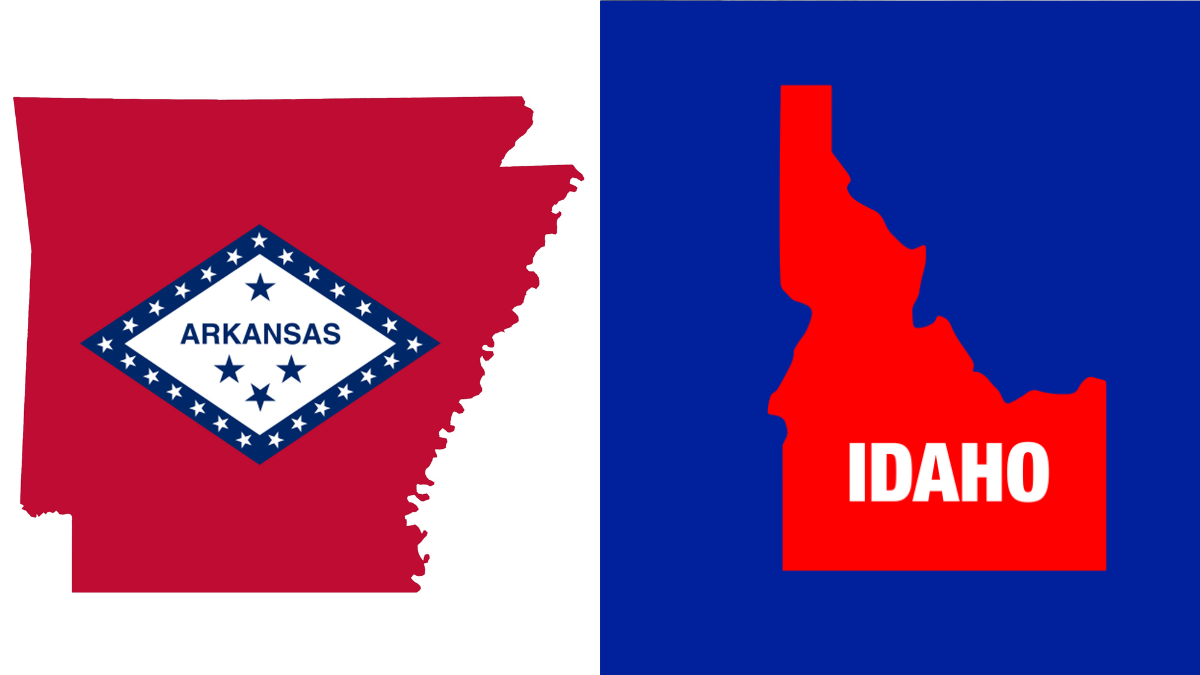
The surveys are attention-grabbing because Arkansas and Idaho were among Donald Trump’s strongest states in 2024. But close margins, undecided voters and the mixed record of early polling mean neither result is a forecast.
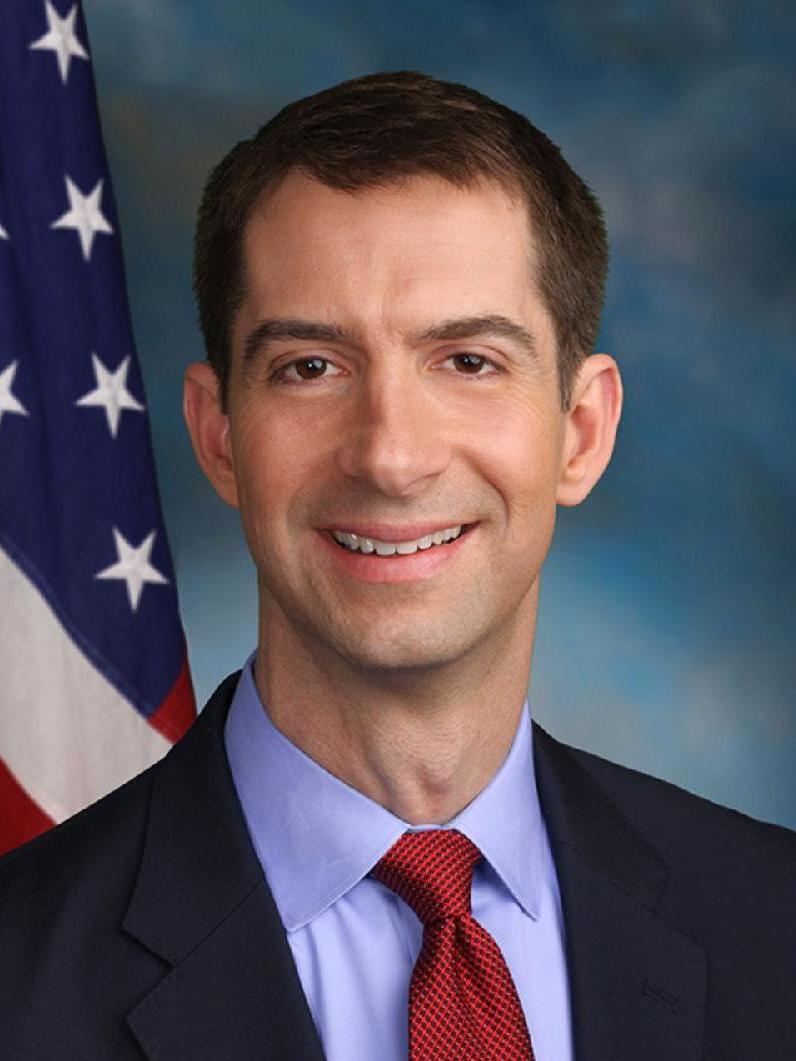
Shock polls show Republican senators trailing challengers in Arkansas and Idaho, two states that were among Donald Trump’s strongest in the 2024 presidential election. In Arkansas, Democrat Hallie Shoffner leads Republican Senator Tom Cotton 47.4 percent to 44 percent, while Libertarian Jeff Wadlin has 3 percent and 5.6 percent are undecided.
In Idaho, independent Todd Achilles leads Republican Senator Jim Risch 38 percent to 33 percent, putting both incumbents behind challengers in strongly Republican states. The Arkansas survey of 1,217 likely voters was conducted by text message from August 11 to 12, and Shoffner’s 3.4-point edge is within the poll’s 4.7-point margin of error. These early numbers signal potential Republican vulnerability, but close margins, undecided voters and the limits of early polling mean they are not forecasts.
Two results defy state politics
The political backdrop makes both numbers stand out. Trump won Arkansas by 30.6 percentage points in 2024, taking 64.2 percent of the vote to Kamala Harris’ 33.6 percent. It was Arkansas’ biggest Republican presidential margin since Richard Nixon’s 1972 landslide, according to the figures cited in the polling report.
Idaho was even more favorable to Trump. He received 66.9 percent there in 2024, a vote share exceeded only by Wyoming, West Virginia and North Dakota. Arkansas and Idaho are not states usually placed near the top of the list of plausible Senate pickup opportunities for Democrats or independents.
That is why the surveys have drawn attention. They suggest that a statewide Senate contest can look different from a presidential race, particularly when an incumbent’s image, a challenger’s appeal and voters’ local concerns are measured separately from national party loyalty.
Still, neither poll changes the underlying partisan character of either state. A survey measures opinions at a particular moment, not the ballots that will ultimately be cast.
Shoffner’s narrow Arkansas advantage
The Talk Business & Politics-Hendrix College poll gives Shoffner a small lead over Cotton, a two-term senator first elected in 2014. The survey found Cotton holding 82 percent support among Republicans, evidence that his party base remains largely with him.
The difference came among independents: Shoffner led Cotton 59 percent to 29 percent in that group, according to the poll. She also had advantages among women, younger voters and college graduates.
Those splits offer a plausible explanation for the overall result without establishing that they will hold. A Democrat does not need to win a heavily Republican state outright among every voting bloc to make a race competitive; strong support among independents and select demographic groups can narrow the gap if partisan turnout changes.
But the Arkansas lead should be read carefully. Shoffner’s 3.4-point advantage is smaller than the poll’s 4.7-point margin of error. That does not mean the survey is invalid or that the candidates are necessarily tied. It means the reported difference is not precise enough to establish with confidence who is ahead in the broader electorate.
Idaho’s large undecided bloc
The Idaho numbers present a different kind of uncertainty. The Bullfinch Group’s head-to-head survey put Achilles, an independent candidate, at 38 percent and Risch at 33 percent. The most consequential figure may be the 29 percent who said they were unsure.
That pool is big enough to reshape the contest. Undecided voters can move toward the incumbent as an election draws closer, break toward a challenger, stay home or split in ways that polling cannot reliably predict months in advance.
The same survey gave Risch a 32 percent job-approval rating, with 39 percent disapproving. It listed his favorability at 39 percent favorable and 44 percent unfavorable. Those measures help explain why Achilles could be competitive in the poll, but they do not show whether voters will view an independent alternative the same way after a sustained campaign.
Risch is a three-term Republican senator in a state where the GOP has deep institutional and electoral advantages. Achilles’ early lead therefore signals voter openness, not a settled realignment.
Why summer polls invite caution
Republican pollster Patrick Ruffini has argued that Senate polls have repeatedly overstated Democratic candidates’ eventual performance, especially during the summer. In an analysis posted on his Substack, Ruffini reviewed 3,312 Senate polls from the prior four election cycles using the former FiveThirtyEight polling archive.
He said the Democratic candidate’s margin was overstated in all four cycles he reviewed. Across those surveys, Ruffini calculated an average error favoring Democrats of 3.7 percentage points, with 73 percent overstating Democratic performance relative to the final result.
His analysis found the apparent tilt was largest in late July, when the average error approached six points, before declining in late August. By Election Day, he said, the average error had narrowed to 2.6 points.
That is a relevant warning, especially for the Arkansas poll. Ruffini is a Republican pollster, so his interpretation deserves the same scrutiny applied to any partisan analyst’s work. But the broader point is uncontroversial: early polls are vulnerable to imperfect turnout assumptions, low voter attention and campaigns that have not yet fully defined the candidates.
Incumbency is being tested locally
The more useful takeaway is not that Arkansas and Idaho have suddenly become Democratic states. It is that red-state incumbents are not automatically insulated from dissatisfaction, weak favorability numbers or an opponent who attracts voters outside the usual party coalitions.
Cotton’s strong Republican support suggests his path still depends heavily on party consolidation and turnout. In Idaho, Risch faces the added complication of a high undecided share, which leaves both his floor and Achilles’ ceiling unclear.
For challengers, early polling can help with fundraising, media attention and volunteer recruitment. For incumbents, it can serve as an argument for sharpening campaign messages before partisan voters fully tune in. Neither benefit guarantees a final result, but both can affect the shape of the race.
What would make these numbers clearer
More polling will be needed to tell whether the Arkansas and Idaho results are outliers or part of a durable pattern. Repeated surveys using different methods, transparent sample details and consistent results across pollsters would offer a stronger basis for judging the contests.
Several questions remain unanswered: whether Shoffner can preserve her independent-voter advantage; whether Cotton’s Republican support rises further; whether Achilles can convert unfamiliarity and uncertainty into votes; and how many Idaho voters ultimately return to Risch once the choice becomes more immediate.
For now, the polls are meaningful because they identify potential vulnerabilities in places where Republicans normally expect comfortable statewide victories. They are not, on their own, evidence that either Senate seat has changed hands politically.
Leave a Reply