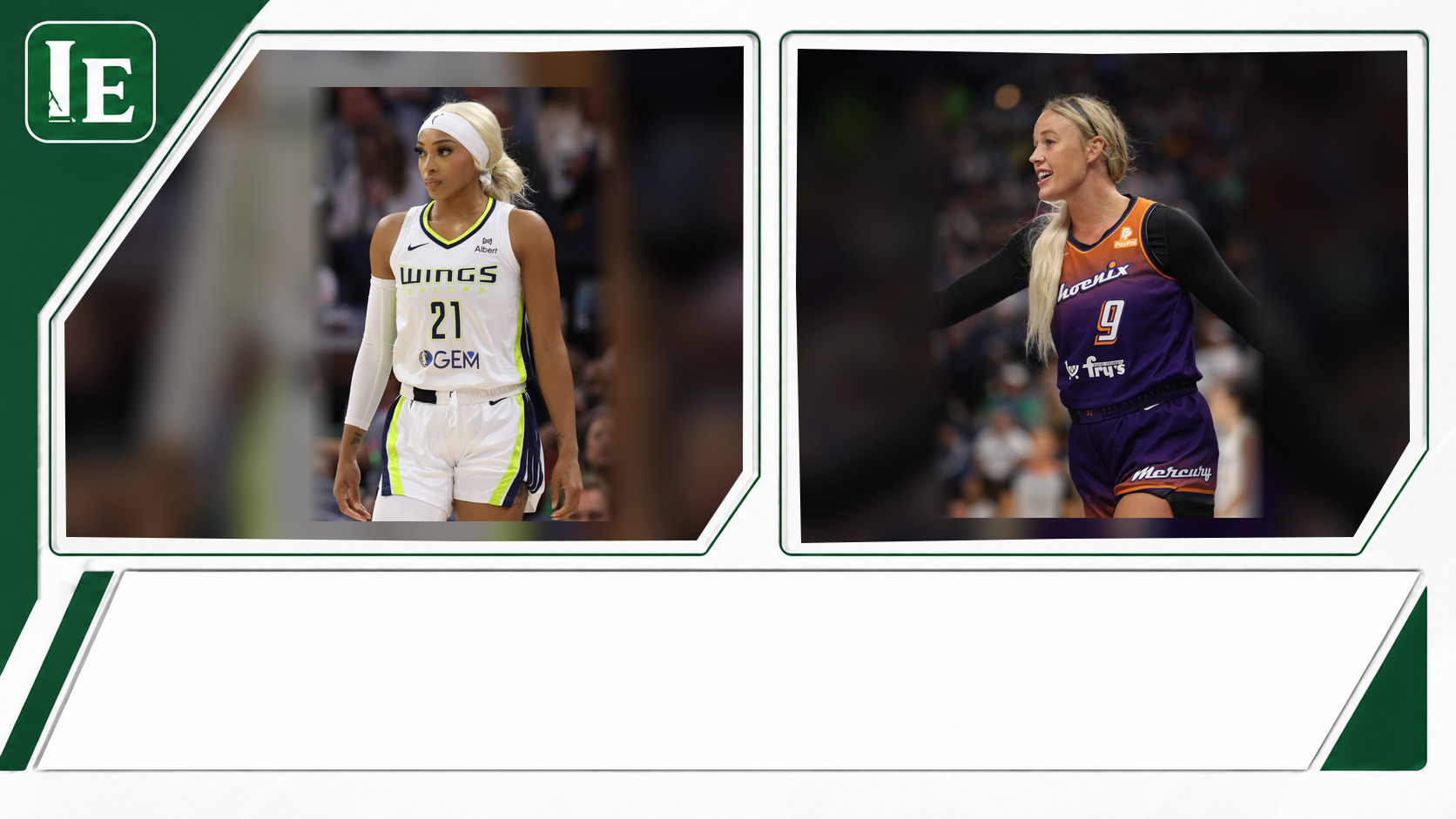
A Chicago Sky-Indiana Fever game became a flashpoint after DiJonai Carrington was ejected for contact with Sophie Cunningham. The bigger question is whether a single on-court incident can fairly carry the weight of the WNBA’s wider racial tensions.
The WNBA is confronting renewed debate over alleged racial entitlement dynamics after Chicago Sky guard DiJonai Carrington was ejected for a hard foul on Indiana Fever guard Sophie Cunningham in Chicago. Carrington later posted “WHITE PRIVILEGE” on Threads, turning a flagrant-two call into a broader argument about race, player safety and accountability.
The incident matters because the WNBA’s rising visibility has also made its conflicts more public and more politically charged. But the ejection itself does not prove a sweeping claim about Black players or the league; it provides a sharp example of how quickly a basketball ruling can become a racial flashpoint.
The foul that changed the game
Carrington caught Cunningham on the left side of the head while Cunningham was attempting a right-handed layup late in the first quarter, according to the BBC. Cunningham fell, got up quickly and confronted Carrington before teammates separated them.
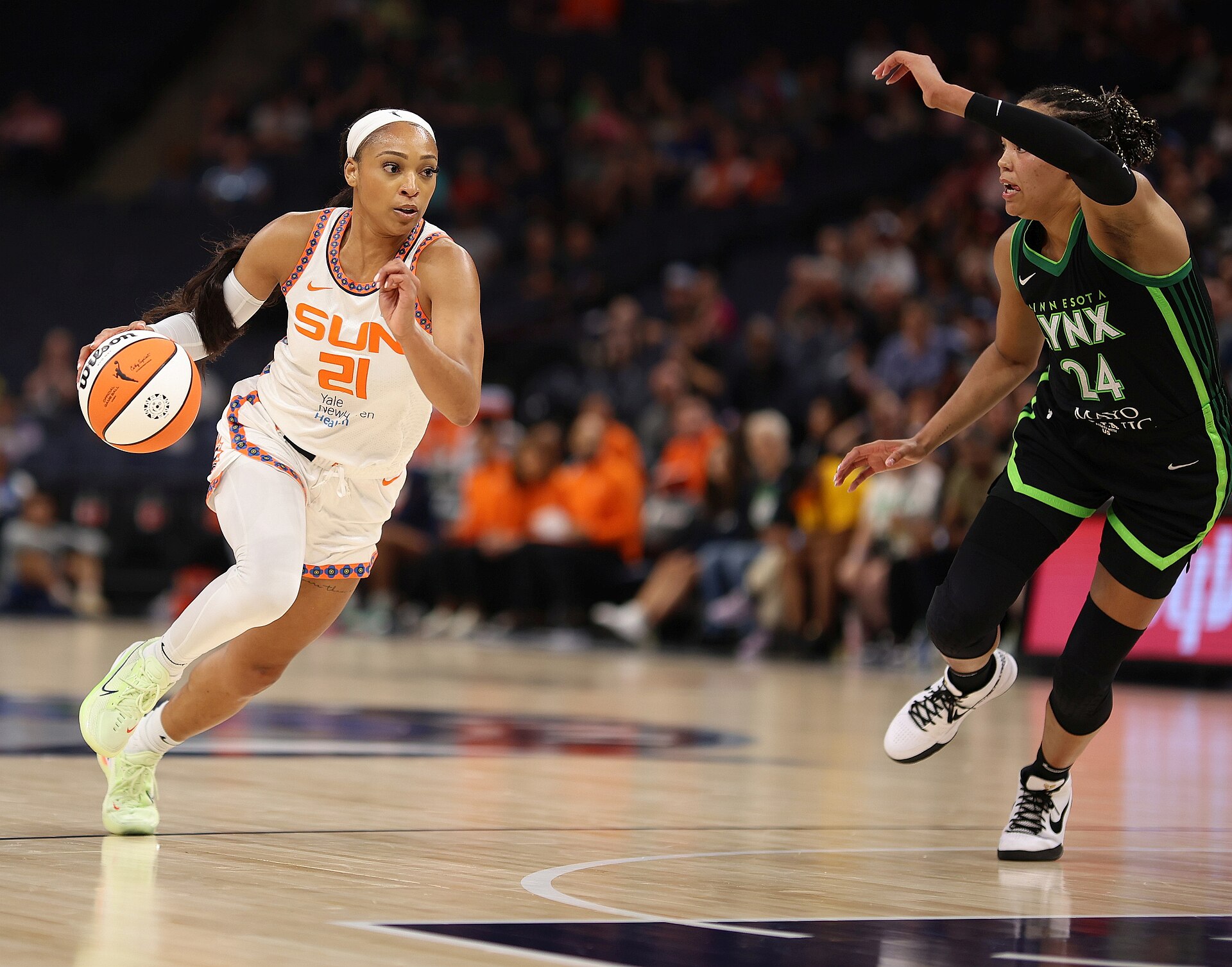
Officials reviewed the play, upgraded the foul to a flagrant two and automatically ejected Carrington. She had scored eight points in four minutes off the bench before leaving the game.
Indiana won 90-86, but the score did not settle the story. The ruling and Carrington’s social-media response became the focus after the final buzzer.
“White privilege” post raises stakes
Shortly after her ejection, Carrington posted “WHITE PRIVILEGE” and tagged the Indiana Fever, according to the BBC and the Guardian. The post did not include a longer explanation of what she believed justified that accusation.
That lack of detail left room for competing readings. Supporters of Carrington may see the post as reflecting real frustration with how race, fame and public sympathy operate around women’s basketball. Critics saw it as an attempt to recast a serious foul as racial unfairness rather than address the contact that prompted the ejection.
Neither interpretation can be settled simply by the fact that an official made a flagrant-two call. The relevant basketball question was whether the contact met the league’s standard for an ejection, and officials determined that it did.
Cunningham rejects race-based framing
Cunningham said after the game that she believed the league was handling the matter and rejected the idea that the ejection should be treated as a racial issue. She noted that she had been ejected for a similar play the previous season and said she deserved that punishment.
“This has nothing to do with race,” Cunningham said, according to the BBC. “There’s no reason even to play that card.”
Fever coach Stephanie White also described it as a hard foul and said she did not believe Carrington intentionally set out to hit Cunningham across the neck, while adding that the call was correct. That distinction matters: a player can be held responsible for dangerous contact without observers claiming they intended to injure an opponent.
Chicago coach Tyler Marsh said he had only just learned of Carrington’s post when asked after the game and would need to address it later.
Why one play carries more weight
The WNBA has long been shaped by Black athletes, and discussion of race is not an outside distraction from the league’s story. It is part of the league’s history, its player culture and its relationship with fans.
At the same time, the league’s recent growth has brought a larger audience with entrenched views about race, gender, sexuality and women’s sports. That means a disputed foul can draw attention far beyond normal debates about officiating.
Cunningham herself had already become a focus of controversy over comments about transgender athletes in women’s sports. The BBC reported that supporters and protesters had appeared at and around Fever games in response. That context helps explain why this particular matchup carried social meaning before Carrington’s foul.
Still, it is important not to collapse every disagreement into a single explanation. Cunningham’s public positions, Carrington’s post, officiating standards and fan behavior are related by the conversation they sparked, but they are not evidence of one simple racial hierarchy inside the WNBA.
Safety and fairness must coexist
The league’s first obligation in a hard-foul situation is straightforward: protect players and apply its rules consistently. Referee Maj Forsberg said Cunningham was not penalized for her reaction because officials deemed it acceptable given the severity of the contact.
Consistency is also where public trust is won or lost. Players and fans will compare this ejection with prior calls, missed calls and disciplinary decisions. A league cannot prevent every accusation of bias, but clear explanations and consistent enforcement make those accusations easier to evaluate.
Reuters reported in July that the WNBA and its players’ union were pursuing stronger security measures after players raised concerns about racist and sexist online abuse. That is a separate issue from a flagrant foul, but it shows why race-related disputes in the league cannot be treated as merely performative or imaginary.
Real abuse deserves serious attention. So does the need to avoid using broad racial labels to explain an individual disciplinary decision without evidence.
The unresolved question after Chicago
The Carrington-Cunningham episode leaves two conversations running at once. One is about a specific play: officials reviewed the contact, deemed it a flagrant two and ejected Carrington.
The other is about what Carrington meant by “white privilege,” whether it was a response to treatment inside the league or a reaction to a painful and costly moment on the court. Public reporting so far does not provide a detailed explanation from Carrington that resolves that question.
The most responsible reading is narrower than the loudest rhetoric. This was a serious on-court incident that exposed existing tensions around race and public perception in the WNBA. It is not, on its own, proof that an entire group of players is entitled—or that concerns about racial bias should be dismissed.
For the league, the challenge is to enforce safety rules credibly while recognizing that its most visible games now unfold in an environment where every call can be pulled into a much larger cultural fight.
Leave a Reply