The order puts a long-running U.S.-South Korea security practice at the center of Trump’s approach to Pyongyang and Seoul. The immediate question is how much of the 11-day Ulchi Freedom Shield exercise can be altered after preparations were already underway.
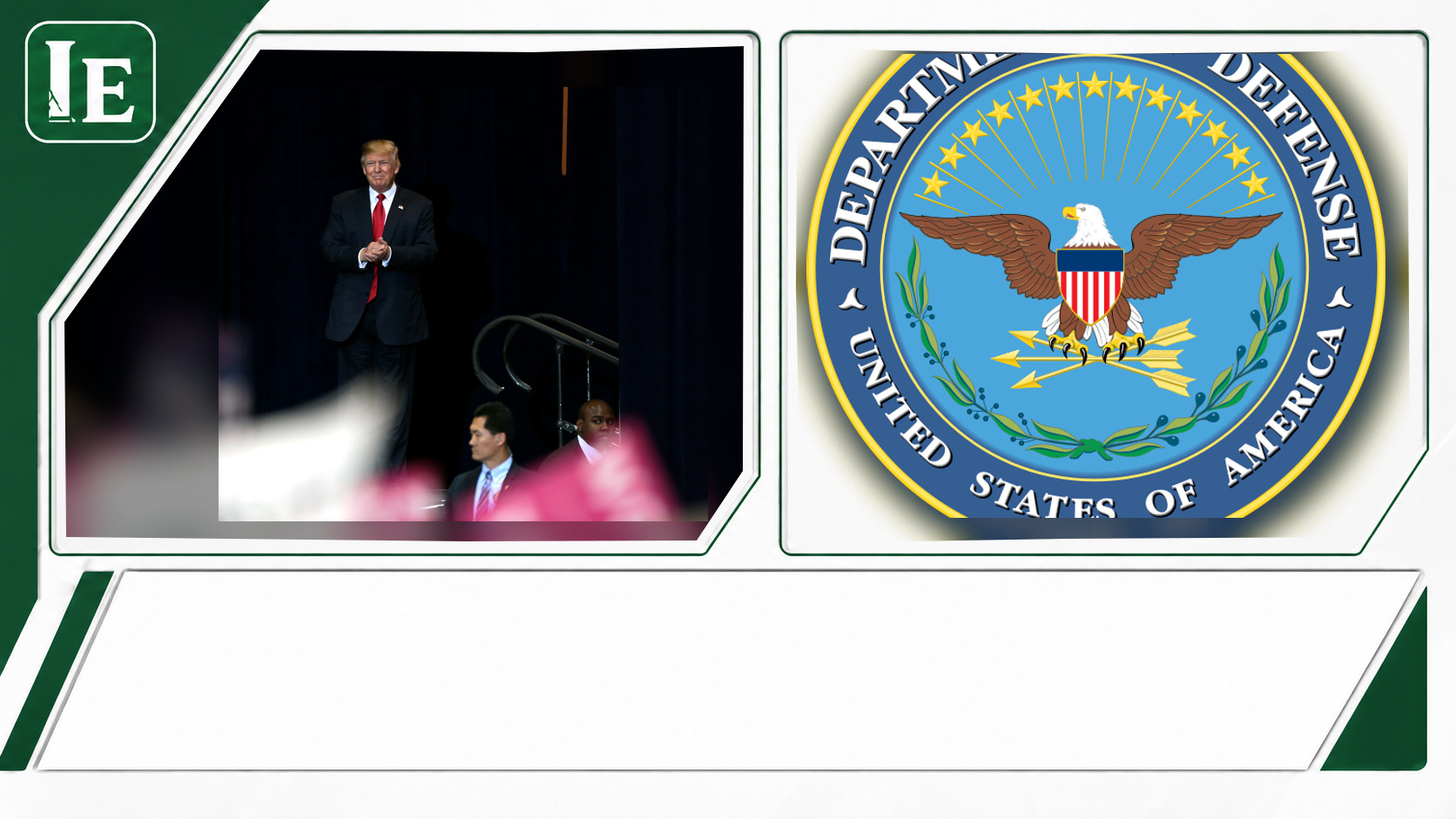
Donald Trump ordered the Pentagon to scale back planned joint military exercises involving the United States and South Korea, a directive affecting the Ulchi Freedom Shield drills set to begin this week. Trump said the exercises were costly and sent an unnecessarily hostile signal to North Korea, making the decision a consequential shift for a military alliance built around readiness against Pyongyang.
The president’s order does not cancel the U.S.-South Korea exercises outright. But his instruction to substantially reduce them, issued after plans were in place, leaves the Pentagon and South Korea to determine what training can still go ahead and what a reduced exercise means during a period of renewed North Korean missile activity.
Trump’s rationale centers on North Korea
Trump announced the move in a social media post Sunday, directing Defense Secretary Pete Hegseth to substantially reduce the exercises because, he said, it was too late to cancel them completely.
He argued that the drills cost too much and described them as a hostile message toward North Korea. Trump also pointed to his relationship with North Korean leader Kim Jong Un, saying North Korea had been unthreatening and respectful during his time in the White House.
Trump additionally linked the decision to frustration with South Korea over Iran. According to the Associated Press, he said he had asked South Korea’s president to join U.S. efforts to denuclearize Iran and received a refusal.
That explanation blends separate disputes: the cost and purpose of military training, relations with North Korea, and cooperation with an ally on Iran. It is not yet clear which concern will carry the most weight as Pentagon officials translate the order into changes on the ground.
Ulchi Freedom Shield is not symbolic
The annual Ulchi Freedom Shield exercise is a large operational test of how U.S. and South Korean forces would work together in a crisis. This year’s 11-day exercise was expected to involve about 18,000 South Korean soldiers and a sizable share of the roughly 28,500 U.S. troops stationed in South Korea.
U.S. forces had planned training across several practical scenarios, including live-fire drills for precision targeting and maneuver, crossing water obstacles, and moving prepositioned equipment. Those are the kinds of tasks that require units from two militaries to practice procedures, communications and command arrangements together.
The U.S. military has described the exercises as a way to strengthen readiness against North Korean threats and reaffirm the U.S. commitment to defend South Korea. For military planners, that is the core case for holding them even when the diplomatic atmosphere is tense.
Critics of major exercises, including North Korea, see the same activity differently. Pyongyang has long denounced the drills as rehearsals for invasion, while Trump’s latest statement treats their scale as a diplomatic liability rather than simply a defense requirement.
Missile tests sharpen the timing
The order comes just after North Korea resumed ballistic missile testing, according to AP reporting. Those launches are prohibited by U.N. resolutions and were detected earlier this month by South Korea, the United States and Japan.
That timing creates the central tension around Trump’s decision. The administration is reducing an exercise designed to prepare for North Korean military threats while North Korea is demonstrating weapons capabilities that allies view as part of that threat.
Trump’s approach rests on a competing judgment: lowering the profile of the drills could avoid provoking Pyongyang and preserve room for diplomacy. The unresolved question is whether North Korea will interpret a reduced exercise as a confidence-building gesture, a temporary political decision, or a sign that allied readiness can be pressured.
There is precedent for the argument. During his first term, Trump sought to halt or curb U.S.-South Korea exercises and said doing so would save money. His administration’s current move revives a familiar divide over whether training is a stabilizing deterrent or an obstacle to engagement.
Seoul faces an alliance test
The decision is also awkward because the Trump administration had recently praised South Korea’s defense role. In May, Hegseth commended the ally’s increased defense spending and its willingness to take greater responsibility for security on the Korean Peninsula.
That praise reflected a broader U.S. demand that allies carry more of the security burden. Yet reducing shared training can complicate the very military coordination required when South Korean forces assume larger responsibilities.
South Korea has relied on its alliance with Washington for decades, and the countries have conducted joint military exercises for more than 70 years. A drill’s scale matters beyond its immediate schedule because participants use it to test whether a combined force can respond quickly under difficult conditions.
Trump’s Iran-related complaint adds another source of strain. Allies can cooperate closely on peninsula security while disagreeing with Washington about a separate conflict or diplomatic campaign; tying those questions together may make the alliance look more transactional to officials in Seoul and beyond.
Congress may resist troop reductions
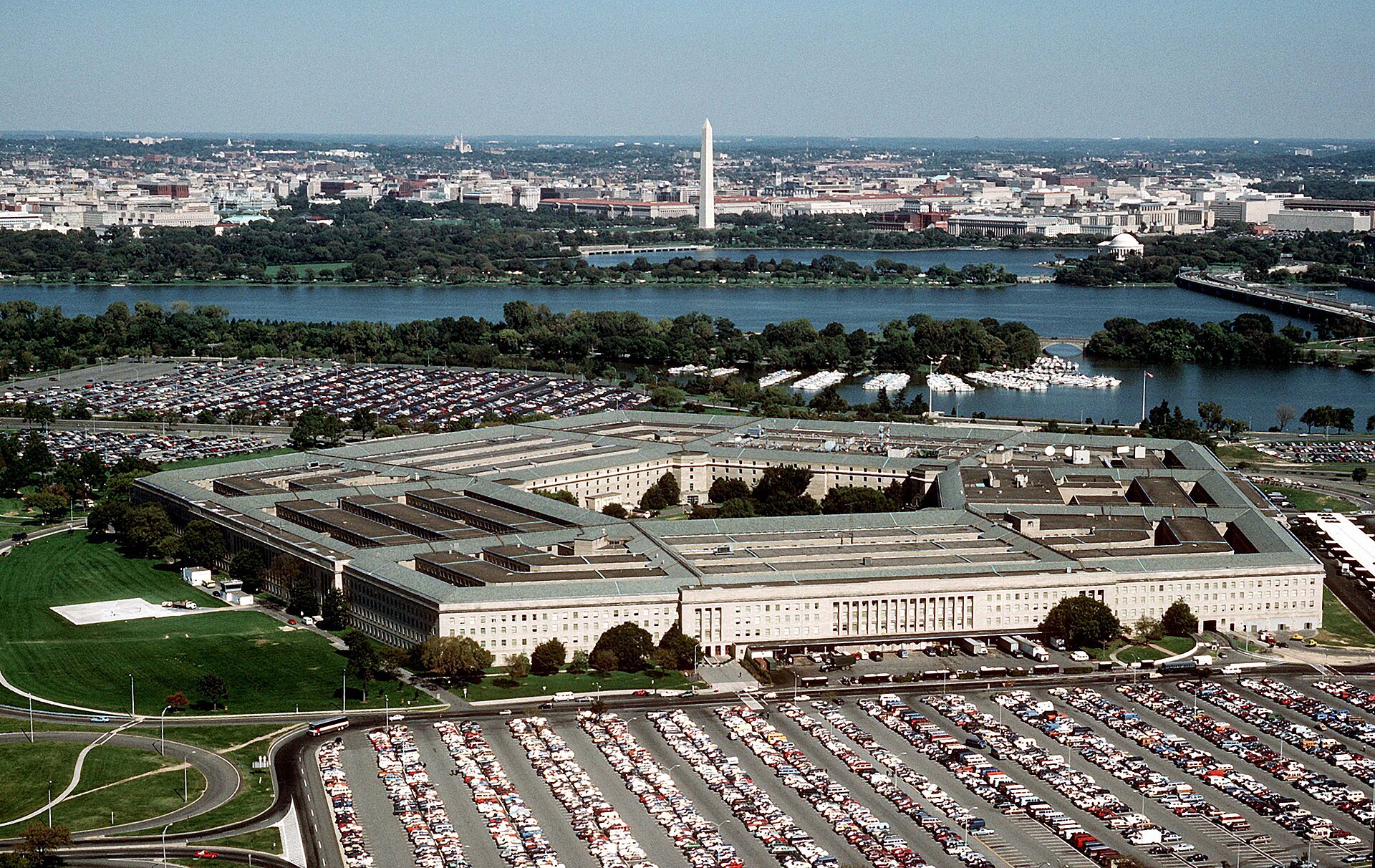
The exercise order arrives alongside reports that Pentagon leaders are considering withdrawing about 4,500 U.S. troops from South Korea for redeployment elsewhere in the Indo-Pacific. That idea is distinct from scaling back a drill, but the two debates point in the same direction: how much U.S. military presence Trump wants on the peninsula.
Congress has generally pushed back on reductions to the American footprint in South Korea. Politico reported that last year’s National Defense Authorization Act included language intended to prevent the administration from dropping the U.S. troop level below 28,500.
Democratic Sen. Mark Kelly, a former Navy pilot, called the decision to hollow out the exercises shortsighted and a mistake. His criticism reflects a long-standing deterrence argument: readiness cannot always be rebuilt quickly after training opportunities are lost.
Supporters of Trump’s view can counter that large drills have financial costs and diplomatic consequences, and that a smaller exercise need not mean abandoning the alliance. The policy dispute is over the acceptable tradeoff between lowering tensions today and preserving a visible, rehearsed deterrent for tomorrow.
The scope of the cut remains unknown
The White House order establishes the direction but not the operational details. Officials have not publicly specified which events, troop movements or live-fire components will be reduced, whether the 11-day timetable will change, or how Seoul will participate in revising the plan.
Those details will determine whether this is primarily a symbolic adjustment or a meaningful reduction in combined readiness. A smaller public-facing event could carry a different consequence from cutting command-post training or canceling field exercises that test logistics and mobility.
For now, Trump has put a central feature of the U.S.-South Korea alliance under a new political condition: military exercises are being judged not only by their readiness value, but also by their cost and the message they send to North Korea. How the Pentagon implements that judgment will show whether the change is a one-time diplomatic signal or the beginning of a broader rethinking of the U.S. role on the peninsula.
Leave a Reply