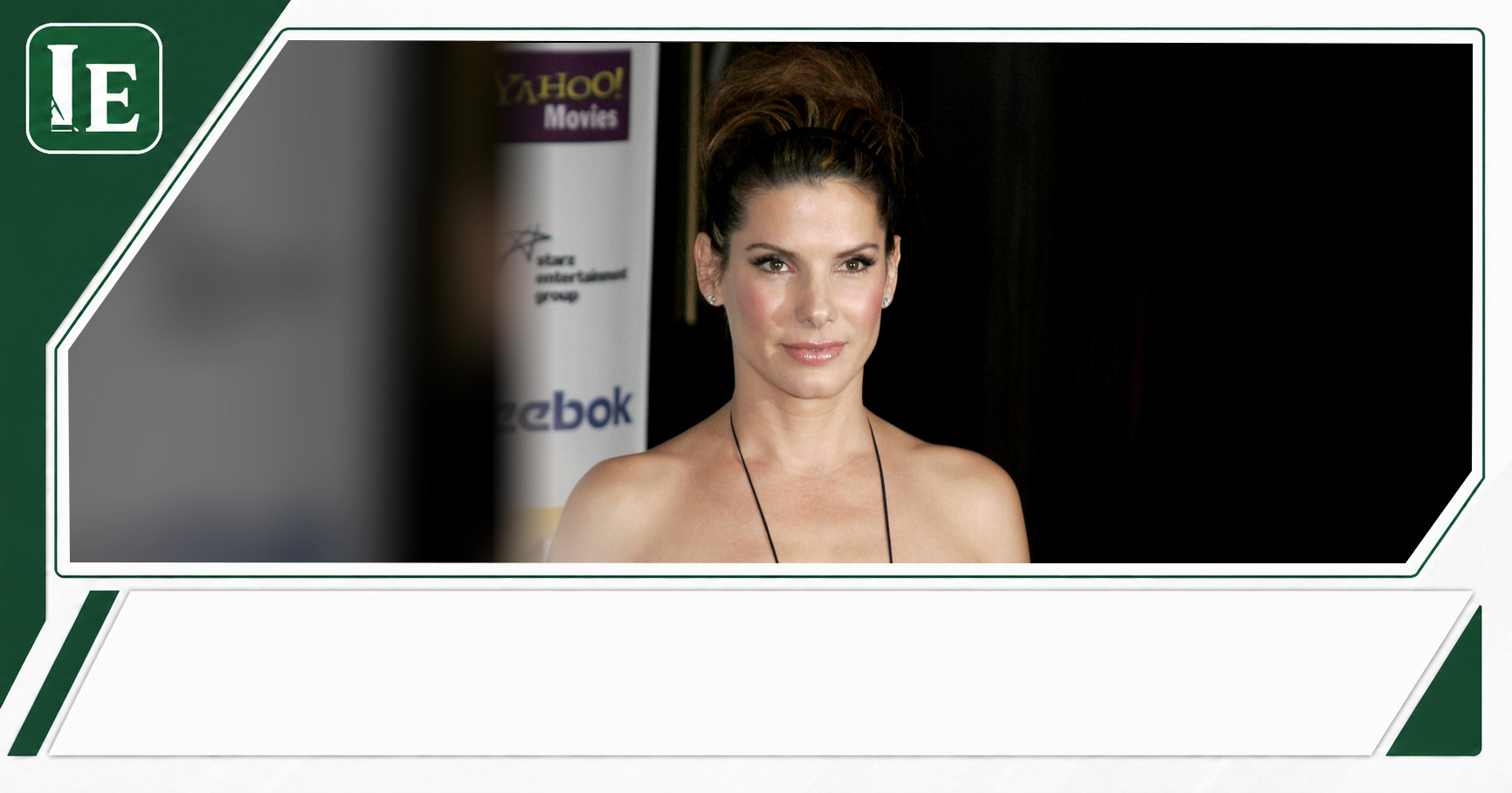
Randall’s death drew attention not only because of his relationship with Bullock, but because the family kept his ALS diagnosis and care largely out of public view. The record points to private grief and caregiving, not a lack of support.
Bryan Randall, Sandra Bullock’s longtime partner, died at age 57 on August 5, 2023, after a private battle with ALS. Randall was Bullock’s partner for years, and his death followed a three-year struggle with amyotrophic lateral sclerosis that his family had chosen to keep largely out of public view.
The quieter-than-usual Hollywood response prompted speculation, but the statements from Randall’s family point to a different explanation: protecting his privacy while he was ill, and keeping the focus after his death on grief, caregiving and the people who supported him.
A family announcement, not a spectacle
Randall’s family announced his death in a statement shared with People. They said he had spent three years living with ALS, also known as amyotrophic lateral sclerosis.
The family explained that Randall “chose early to keep his journey with ALS private,” and those closest to him sought to respect that decision. The statement also thanked the doctors and nurses who helped care for him.
That choice shaped how little was known publicly before his death. It also offers important context for the lack of a large public memorial cycle or a steady stream of celebrity tributes that often accompanies a high-profile loss.
There was media coverage and public sympathy. What did not emerge was a prolonged entertainment-industry spectacle around Randall’s illness or death.
How Bullock and Randall met
Bullock and Randall met in 2015, when he photographed her son’s birthday party. Randall worked as a photographer, while Bullock was already one of the entertainment industry’s most recognizable actors.
Their relationship nevertheless remained mostly private. Randall became part of the family life Bullock shared with her children, but the couple did not publicly marry and did not turn their relationship into a regular public-facing feature.
In a 2021 appearance on Red Table Talk, Bullock offered one of her clearest public descriptions of their bond. She called Randall “the love of my life.”
She also spoke about their blended family and described him as a positive example for her children, while acknowledging that they did not agree on everything. Because Bullock rarely discussed her personal life at length, those comments carried particular meaning after Randall’s death.
Caregiving became the central story
The most intimate public account after Randall’s death came from Bullock’s sister, Gesine Bullock-Prado. In an Instagram tribute reported by the BBC, she wrote, “ALS is a cruel disease.”
Bullock-Prado praised Bullock’s care for Randall and said there was comfort in knowing he had “the best of caretakers” in her sister and in the nurses Bullock assembled to assist at home.
The tribute placed Bullock in a role far removed from the public image of an Oscar-winning actor: a partner helping organize care during a serious, progressive illness. It also helps explain why the family’s communications remained limited.
According to the family’s account, their attention was directed toward Randall’s daily needs and preserving as much normalcy as possible at home. That is a markedly different priority from managing public expectations around a celebrity loss.
Why ALS changes the context
ALS is a neurodegenerative disease that affects voluntary muscle control. It is also called motor neurone disease in some countries and Lou Gehrig’s disease in the United States.
There is no cure for ALS. The illness can significantly affect mobility, communication and independence, making the family’s thanks to medical professionals more than a customary line in a public statement.
Randall’s family described a three-year battle with the disease. That timeframe underscores the sustained work of care that occurred away from cameras and public discussion.
It also makes a narrow focus on celebrity reaction incomplete. The clearest confirmed details concern Randall’s illness, the people treating and caring for him, and the family’s decision to honor his wish for privacy.
Quiet does not mean uncared for
The phrase that Hollywood was silent can imply indifference. The available information supports a more cautious reading: there were expressions of sympathy and extensive reporting, but not the kind of mass public response often associated with stars whose lives unfold more visibly.
Randall was known professionally as a photographer, not as a public-facing entertainment celebrity with a major industry profile. He and Bullock had also deliberately kept their relationship outside much of the usual celebrity-news machinery.
A limited number of prominent social-media tributes cannot reliably measure private support from friends, colleagues or people in Bullock’s professional circle. The statements carrying the strongest authority came from Randall’s family and Bullock-Prado, who were closest to the situation.
Bullock has not turned Randall’s death into a public campaign or a series of extended interviews. That may leave some questions unanswered, but it is consistent with the family’s stated approach. The confirmed story is a personal one: Randall died at 57 after three years with ALS, and his final chapter was handled on terms centered on privacy, care and family.
Leave a Reply