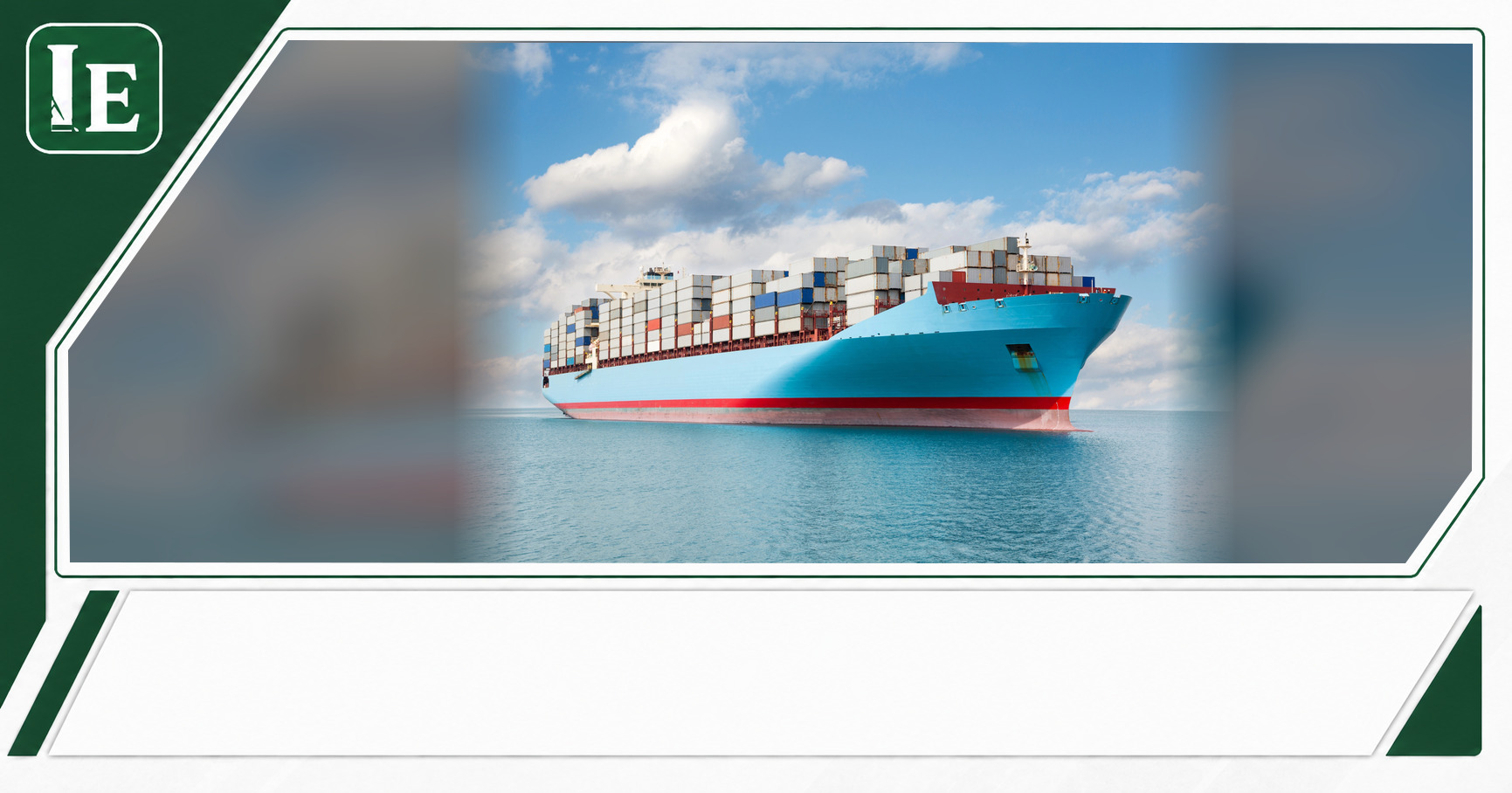
Fuel costs are rising as commercial shipping through a major oil passage approaches a standstill. The next signal for drivers and markets may be whether crude cargoes begin moving again.
Average U.S. gasoline prices were about $4.08 a gallon on Friday, Reuters reported, citing the American Automobile Association. That was 29% higher than a year earlier as oil tanker traffic through the Strait of Hormuz had nearly stopped.
The waterway once carried roughly one-fifth of the world’s oil. With oil flows disrupted, the conflict involving Iran is reaching American consumers through higher fuel costs, while President Donald Trump has urged people to accept the increase as the war continues.
Prices reflect a disrupted oil route
Benchmark Brent crude was headed for a 6% weekly gain, while West Texas Intermediate was on track to rise 5.4% for the week. The Strait of Hormuz links the Persian Gulf with the Gulf of Oman and sits between Iran and the Arabian Peninsula, making it a critical route for global energy supplies.
Ship-tracking firm Kpler found that two vessels passed through the strait on Friday and that no crude-oil cargoes were visible. Before the conflict, more than 130 ships a day used the passage, though some vessels may travel with tracking signals switched off.
Fewer cargoes moving through Hormuz can force buyers to compete for oil available through other routes. Because oil is traded in an interconnected global market, a Gulf disruption can increase costs for U.S. refiners and consumers despite substantial domestic crude production.
What drivers see at the pump can take time
Retail gasoline prices do not track every daily movement in crude oil. Taxes, refinery operations, regional supply, retail competition and the timing of fuel deliveries all help determine what drivers pay.
But sustained crude-price gains generally move through the supply chain, especially when traders expect a transportation disruption to continue. Continued near-zero traffic through Hormuz could reinforce concerns about higher energy costs and shipping risks.
A sustained return of crude shipments would be a more concrete sign of improving conditions than statements from either government. For now, tanker movement remains a central indicator of whether the standoff is easing or becoming a longer-running strain on global oil markets and U.S. household budgets.
Security concerns extend beyond scheduling
Commercial operators are considering physical risks as well as delays and fuel costs. Abu Dhabi National Oil Company said two of its ships were attacked while moving through the strait Thursday evening.
The United Arab Emirates’ state news agency reported another vessel was attacked Friday. Separately, the United Kingdom Maritime Trade Operations Centre said a bulk carrier was struck by an unknown projectile.
Reuters also reported renewed concerns about attacks by Iran-backed Houthi forces in Yemen, including missiles fired toward the Red Sea port of Mocha and a reported drone attack targeting an Aramco facility in Saudi Arabia. If other routes become less secure, they may offer less relief than markets expect.
Iran and the United States remain at odds over passage
Iran says it will decide when the Strait of Hormuz opens or closes. Iranian Deputy Foreign Minister Kazem Gharibabadi said Tehran would continue enforcing what it calls a blockade unless the United States accepts “the reality of defeat.”
The United States describes its actions as measures against Iranian shipping, rather than using Iran’s terminology. The differing descriptions reflect how each side portrays itself as responding to the other while commercial traffic has nearly disappeared.
Iranian Foreign Minister Abbas Araqchi said Tehran had not decided whether to resume talks with Washington. According to Reuters, he said the United States would need to meet Iranian conditions involving the strait before shipping could restart.
A tentative June arrangement intended to end the war has broken down, and the sides remain divided over how to characterize that earlier agreement. Neither government has publicly outlined terms likely to restore normal passage quickly.
Trump frames higher costs as part of the conflict
At a rally in Garden City, New York, Trump told Americans to accept paying “a tiny little bit more” for gasoline while the conflict continues. He said the cost was justified by preventing what he called a “very evil country” from obtaining a nuclear weapon.
Trump’s comments explicitly tied higher gasoline prices to the administration’s campaign against Iran rather than promising an immediate decline in fuel costs. The issue is politically significant because Trump campaigned for reelection on lowering energy costs, while Democrats are seeking to make gasoline prices and inflation pressure part of the November congressional election debate.
Iran also faces economic pressure. President Masoud Pezeshkian said high inflation in Iran was being driven by a U.S. blockade of Iranian ports and sanctions on the country’s oil exports. Trump and Treasury Secretary Scott Bessent have signaled further financial pressure on Iran, with Bessent saying more measures were expected the following week.
Leave a Reply