
Walz’s decision changes Minnesota’s political map and shifts attention toward whether candidates can offer credible answers on public-program oversight. Amy Klobuchar is weighing a bid as Republicans build an accountability-focused case.
Tim Walz will not seek a third term as Minnesota governor, a decision announced Monday that opens the Minnesota governor’s race as fraud allegations shape the campaign. The scrutiny involves alleged misuse of public funds, including cases tied to hundreds of millions of dollars from COVID-era programs intended to feed children.
Walz is not accused of wrongdoing, but Amy Klobuchar is considering entering the race to replace him while Minnesota Republicans press concerns about oversight failures. The immediate contest is now about more than an open seat: it is about whether candidates can turn frustration over fraud into a convincing plan for government accountability.
Walz leaves Democrats without an incumbent
Walz said he would step away rather than pursue another term, reversing plans he had expressed only months earlier. He framed the move around the time and attention needed to protect Minnesotans from people who exploit public programs, rather than devoting that energy to his own political defense.
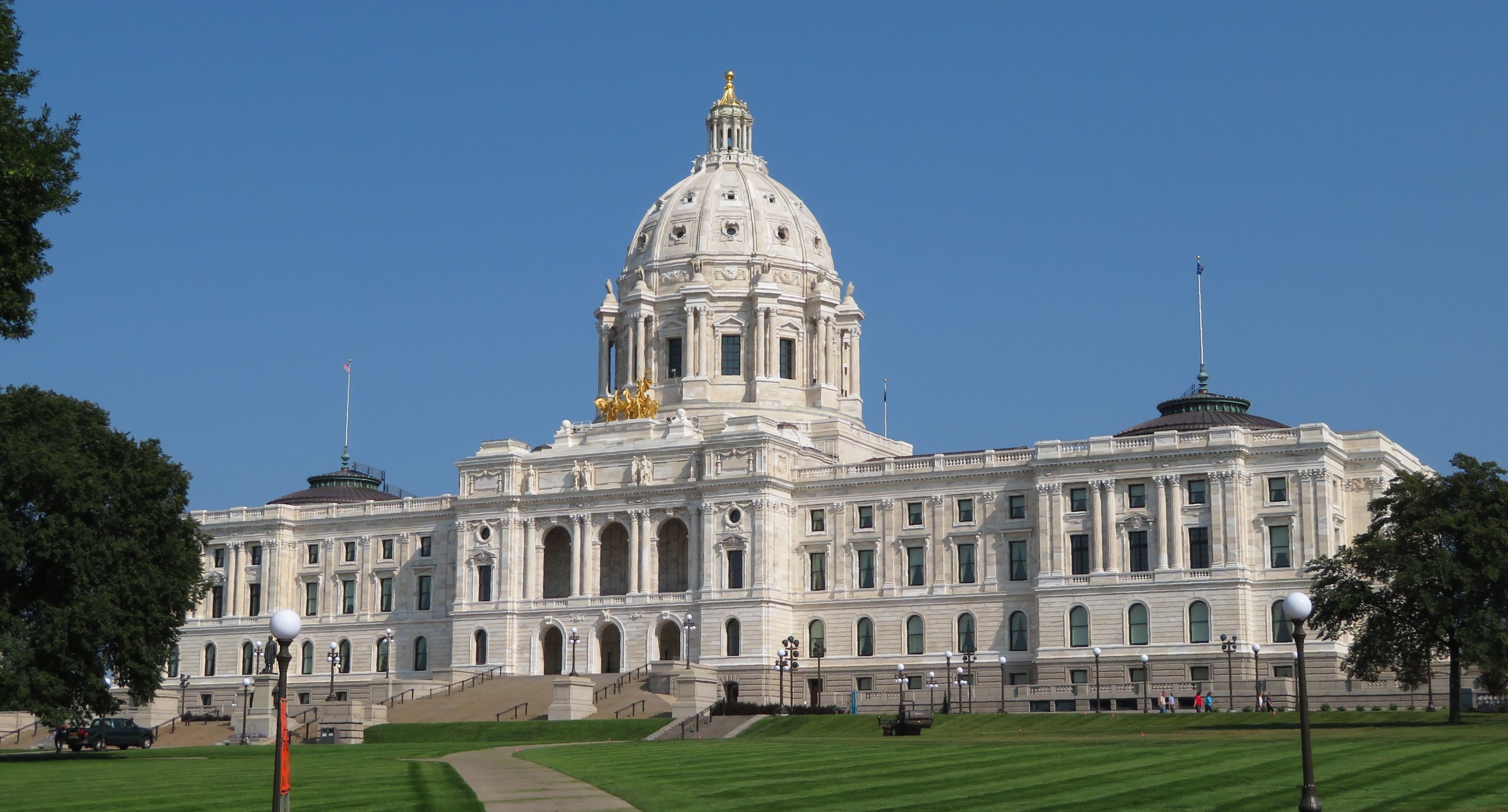
His departure is a substantial shift for Minnesota Democrats. Walz had been expected to remain a major party figure and had faced no serious primary challenge, so the party now must choose a standard-bearer without an incumbent at the top of the ticket.
That changes the basic campaign calculation. A race centered on an incumbent governor’s overall record would have required Walz to defend his administration directly; an open contest asks a new Democratic candidate to preserve the administration’s broader agenda while addressing weaknesses critics associate with it.
The central dispute is accountability
The fraud issue comes with an important distinction. Investigations and criminal cases concern people accused of exploiting public programs, not an allegation that Walz personally committed fraud.
Politico reported that dozens of people have been charged with felonies in connection with the theft of hundreds of millions of dollars from COVID-era programs intended to feed children. NBC News also described heightened scrutiny of Minnesota’s handling of alleged child care fraud.
Legally, personal culpability and responsibility for administering state programs are different questions. Politically, however, the scale of the allegations has made oversight, enforcement and the state’s response a difficult issue for Walz’s party to avoid.
Critics argue that alleged losses of that size point to failures in safeguards and intervention. Supporters can counter that criminal conduct by outside operators should not automatically be attributed to elected officials, especially when investigations lead to charges and prosecutions.
Voters may demand more than blame
The coming debate could hinge on where voters draw the line between individual misconduct and administrative responsibility. Public-benefit programs are meant to reach families who need help, yet voters can also reasonably expect strong controls to protect public money.
That leaves candidates with a challenge broader than assigning fault. General calls for accountability may resonate, but the eventual winner may need to explain what would actually change inside state government.
The practical areas likely to matter include audits, agency leadership, reporting systems, enforcement resources and the speed of intervention when warning signs emerge. Candidates will also face pressure to show how tighter controls could avoid blocking eligible families from receiving services.
Klobuchar could reshape the field
Klobuchar has not announced a campaign, but Politico and NBC News reported that she is seriously considering one. Politico reported that Walz met with the U.S. senator on Sunday and that people close to her said she had been encouraged to run.
She would bring statewide name recognition and a record of winning Minnesota elections by margins stronger than other Democrats, including Walz in some past contests. For Democrats confronting an unexpectedly open race, that could make her a potentially stabilizing candidate.
But a Klobuchar candidacy would not remove fraud oversight from the campaign. She would still need to explain how Minnesota could strengthen program administration without reducing the issue to partisan blame or suggesting the state should retreat from services intended to help families.
Her choice has a second political consequence as well. If she runs for governor, her U.S. Senate seat would become open, adding another layer of uncertainty for Minnesota Democrats.
Republicans already have a shared message
Minnesota Republicans moved quickly to connect Walz’s decision with the fraud controversy. The Republican Governors’ Association said the eventual Democratic nominee would have to answer for what it called years of mismanagement and misplaced priorities.
According to Politico, the Republican primary field includes MyPillow CEO Mike Lindell, Minnesota House Speaker Lisa Demuth, state Rep. Kristin Robbins and Minneapolis attorney Chris Madel. A crowded primary can create competing messages, but fraud oversight offers candidates with different backgrounds a common line of attack.
Republicans are likely to argue for tougher controls before public money is distributed and faster action when potential problems are identified. Democrats are likely to emphasize that prosecuting alleged fraud and strengthening safeguards should not be partisan goals, while seeking specific policy proposals from their opponents.
The unanswered questions now matter most
No successor to Walz has been settled on, Klobuchar has not made a decision, and the Republican field remains in development. It is also unclear which reforms candidates will embrace or how directly they will address the difference between administrative failures and the value of the programs involved.
Walz’s exit ensures that fraud scrutiny will not remain a background controversy. The next governor will inherit pressure to demonstrate that Minnesota agencies can deliver public services while better protecting funds from abuse.
The race will ultimately decide party control, but its early defining test is trust in government. The candidate who can pair a credible accountability plan with a workable approach to serving eligible Minnesotans may have the clearest answer to the issue now driving the contest.
Leave a Reply