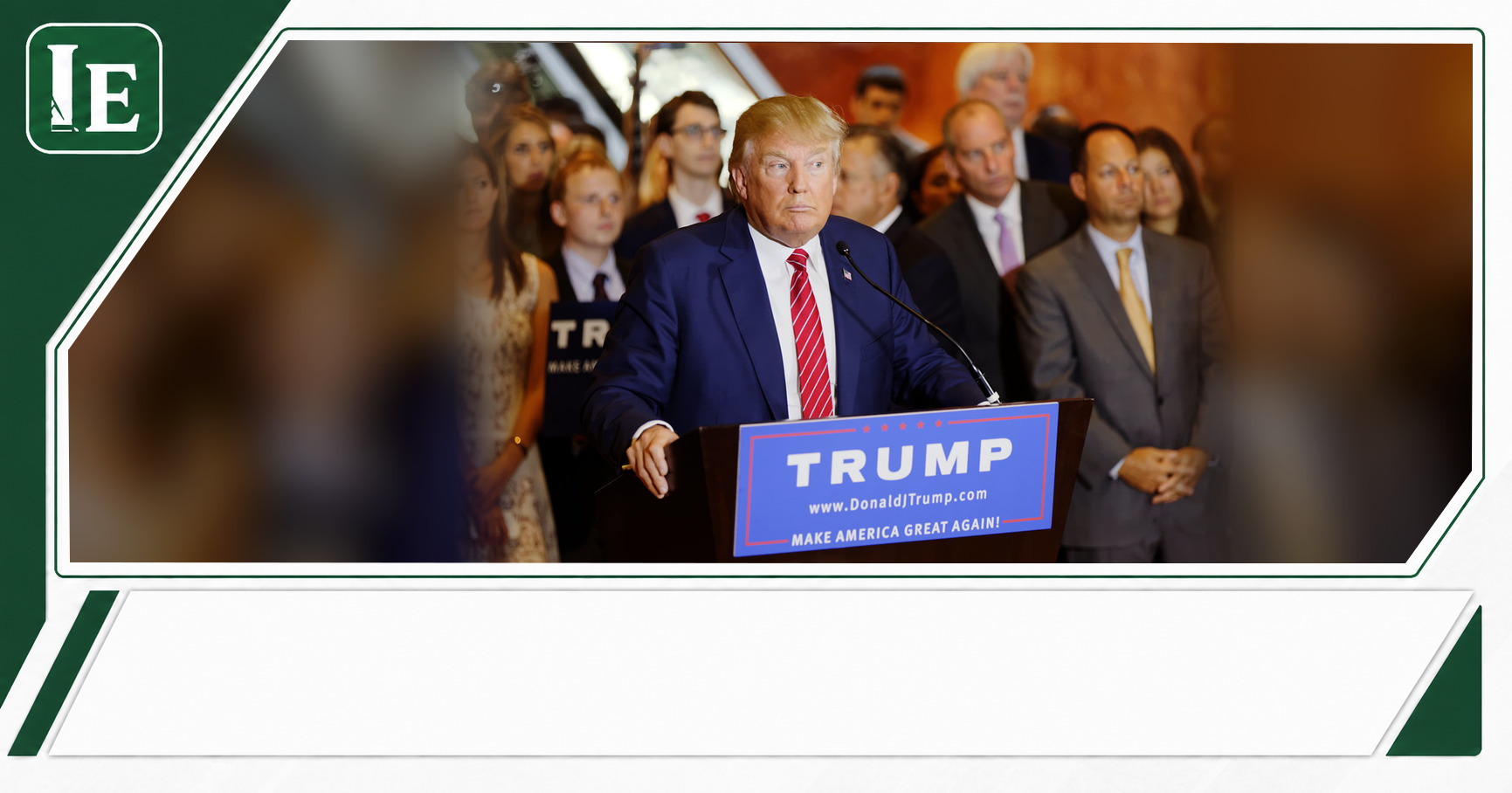
Trump tied the proposed Lake Ontario name change to the U.S.-Canada trade dispute and said Washington may no longer do much business with Ontario. But a U.S. declaration would not settle what Canada, mapmakers or international users call the shared Great Lake.
Donald Trump is considering renaming Lake Ontario to “Lake America,” saying the proposal comes amid escalating tensions with Canada and a trade war between the two countries. The idea matters because Lake Ontario is a shared U.S.-Canada waterway: a name adopted by Washington would not automatically be accepted in Canada or beyond.
Trump floated renaming Lake Ontario in a Truth Social post, linking it to his administration’s dispute with Canada and saying the United States does not expect to be doing much business with Ontario any longer. The proposed label is the latest symbolic front in a conflict with real consequences for trade, cross-border communities and diplomatic relations.
Trump ties the name to trade
The president said the United States was giving “serious consideration” to changing the lake’s name to Lake America. His message did not lay out a formal process, a timetable or a specific federal action that would put the new name into effect.
What was clear was the political framing. Trump connected the possible change directly to the commercial dispute with Canada, using the name of Ontario—the Canadian province bordering much of the lake—as shorthand for a deteriorating relationship.
The comment arrived as U.S.-Canada trade negotiations had collapsed, according to reporting by The Wall Street Journal. That context makes the proposal more than a geographical aside: it is a rhetorical escalation aimed at a close ally and one of the United States’ largest trading partners.
A Great Lake shared by two countries
Lake Ontario is the easternmost of the five Great Lakes. Its northern shore is in Ontario, while its southern shore is in New York, making it an especially awkward target for a one-country rebrand.
Shared geography does not prevent governments from using different names in their own records, maps or public communications. It does mean, however, that a U.S. decision would govern only the places where the U.S. government controls naming conventions.
Canada could continue calling the waterway Lake Ontario, as could provincial authorities, international organizations, publishers, businesses and the public. The lake itself would remain a cross-border resource governed by arrangements that have little to do with what either side prints on a map.
What a U.S. name change could do
If the administration pursued the idea, the most immediate effect could be in federal documents, government maps, agency communications and other U.S. materials. It would not transfer control of the lake, change the international boundary or erase the existing name from Canadian use.
That distinction is central. Place names can carry political meaning and shape public messaging, but they do not by themselves settle questions of jurisdiction, water management or trade policy.
There are also practical issues. Lake Ontario appears in navigation materials, scientific research, tourism marketing, local government records and cross-border agreements. A different federal label could create a patchwork in which U.S. agencies use one name while Canadian and international partners use another.
- For federal agencies: A directive could alter terminology in U.S. publications and communications.
- For Canada: It would not require Canadian governments to recognize or use Lake America.
- For the public: The familiar Lake Ontario name would remain deeply embedded in regional identity, commerce and history.
The Gulf of America precedent
Trump has pursued a similar naming move before. Last year, he signed an executive order directing that the Gulf of Mexico be called the Gulf of America in U.S. federal publications and communications.
That action showed the practical reach—and the practical limit—of a presidential naming directive. The U.S. government can establish its own terminology, but other countries are not obligated to follow it. Mexico, for example, has not generally recognized the Gulf of America label.
The Lake Ontario proposal would present an even more immediate bilateral issue because the waterway directly spans the U.S.-Canada border. The comparison suggests that any official U.S. change would likely coexist with continued Canadian use of Lake Ontario rather than replace it internationally.
Symbolism meets a strained alliance
Trump’s supporters may see the proposal as a forceful assertion of U.S. interests during a difficult trade confrontation. In that view, the name is a political message meant to underscore frustration with Canada and Ontario’s role in the dispute.
Critics are likely to regard it as provocative symbolism that could make a trade conflict harder to manage without producing a concrete policy gain. Canada and the United States have extensive economic, environmental and security ties, and their border regions depend on everyday cooperation.
The rhetoric also lands differently in communities around the lake. For residents and businesses in New York and Ontario, Lake Ontario is not an abstract diplomatic symbol; it is part of the regional economy, recreation, shipping and environmental stewardship.
No formal action has been announced
For now, Trump has said the United States is considering the change. The available reporting does not identify a signed order, a federal naming-board decision or a completed administrative process.
It also remains unclear whether the proposal is intended as a formal policy step, a negotiating signal in the trade dispute, or both. Any effort to make Lake America an official U.S. government term would face the basic reality that Canada can reject the label for its side of a shared Great Lake.
The immediate takeaway is simple: Trump has placed a highly visible geographical symbol into an escalating fight with Canada. Whether it becomes an official U.S. designation or remains a pointed political message, Lake Ontario’s cross-border character ensures that “Lake America” cannot become a universally accepted name through U.S. action alone.
Leave a Reply