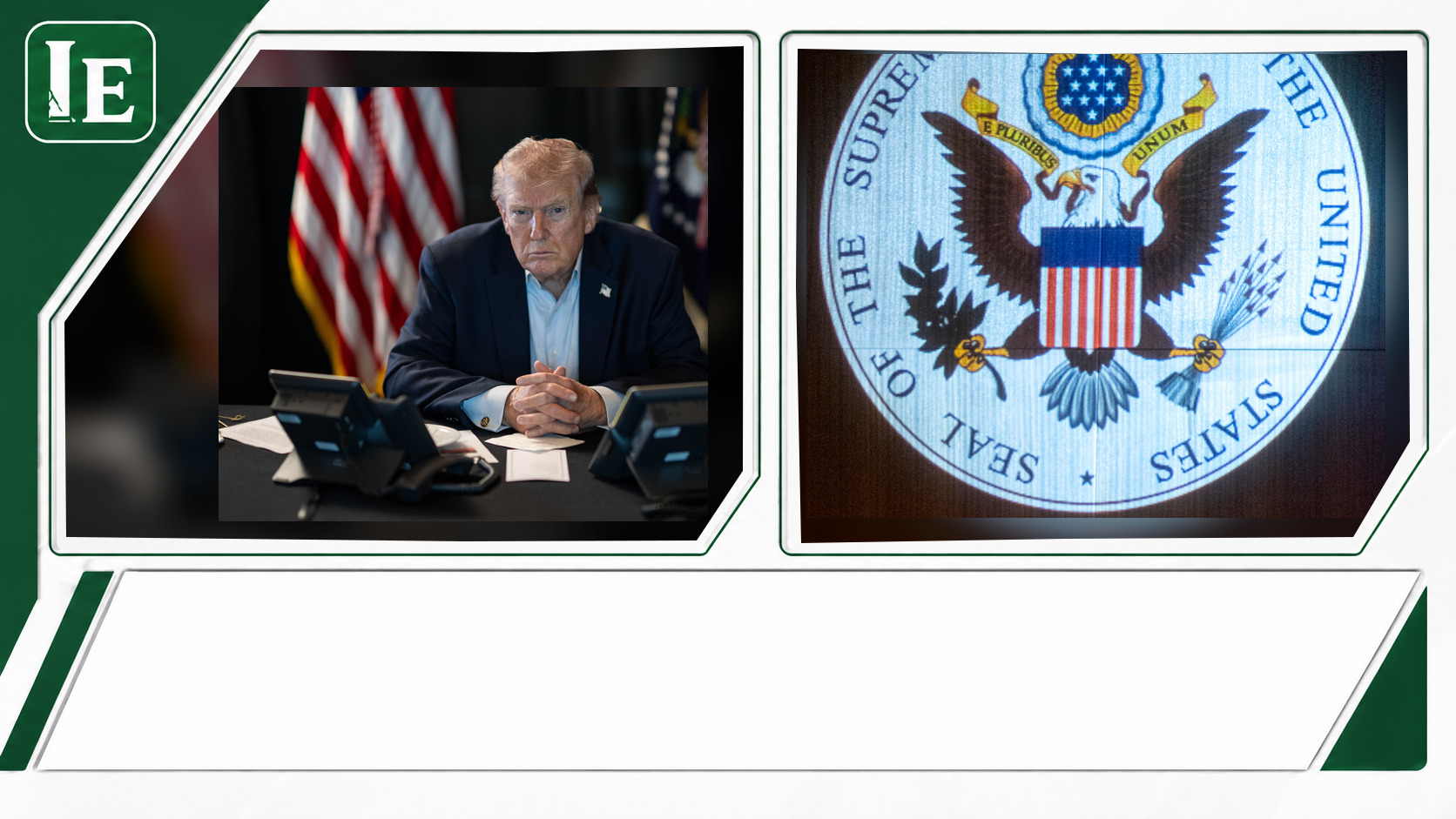
The court did not decide whether President Donald Trump’s proposed mail-voting restrictions are lawful. Its emergency order still changes the immediate landscape for states, voters and election administrators ahead of the midterms.
Donald Trump and lawmakers are confronting a new election-law fight after the Supreme Court allowed the Trump administration to pursue mail-in voting restrictions, at least for now. Lawmakers and state officials responded by stressing that the ruling concerns Trump’s effort to restrict mail-in voting and does not settle whether his plan is legal.
The Supreme Court’s decision gives the administration room to move ahead while lower-court litigation continues, putting fresh focus on how federal agencies, states and the U.S. Postal Service could handle mail ballots before the midterm elections.
A preliminary win, not final approval
The Supreme Court acted through an unsigned emergency order, allowing the administration to proceed with parts of Trump’s executive order while challenges continue. The court did not issue a final ruling on the order’s legality.
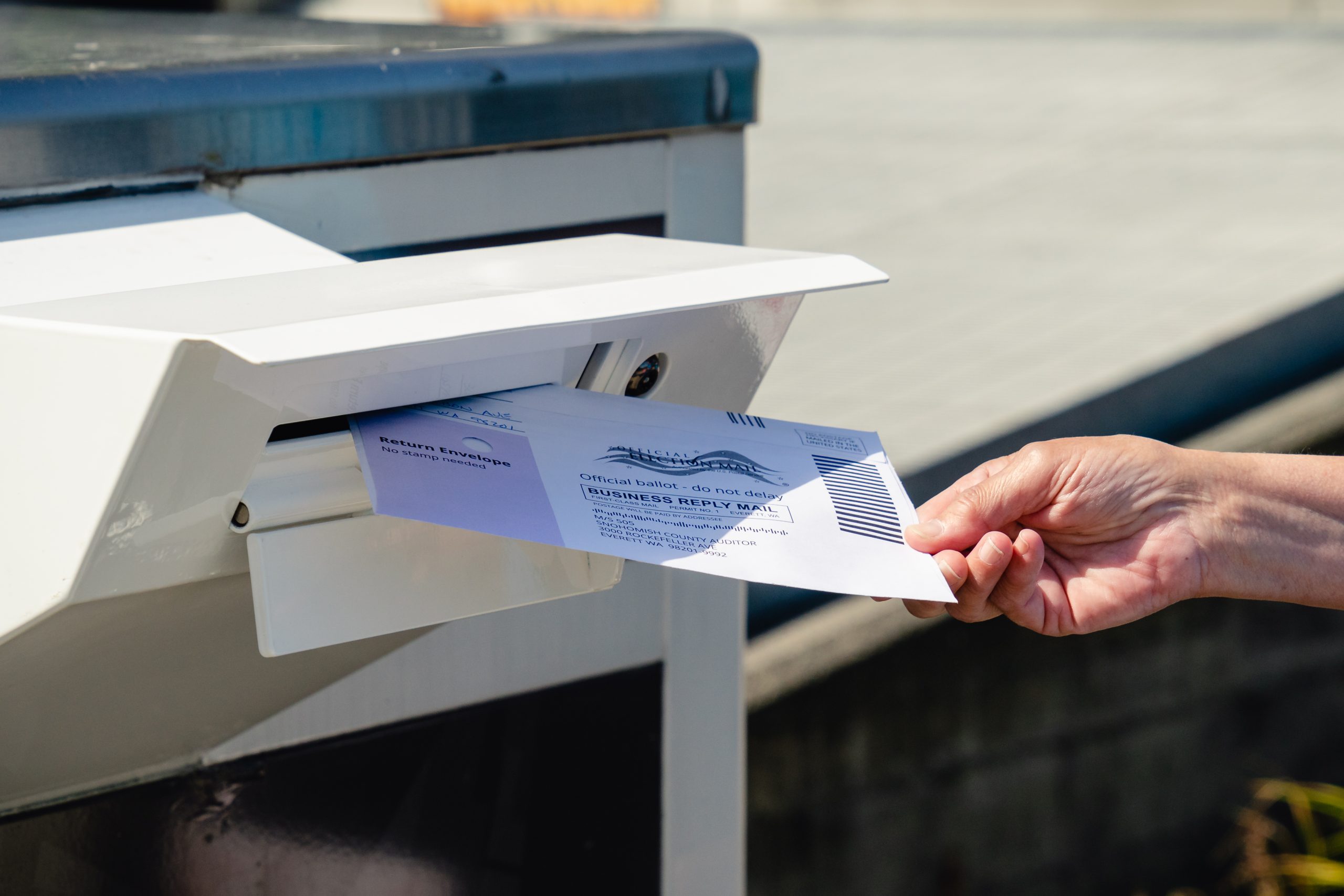
That distinction matters. Emergency orders often resolve whether a policy can operate during a lawsuit, not whether it will ultimately survive a full legal review. The court said the states challenging the policy had not, at that stage, shown sufficient harm from rules that had not yet taken effect.
The majority also indicated that its decision should not be read as a conclusion that the administration’s completed plan will necessarily be lawful. The litigation could still reshape, narrow or block the policy.
What Trump’s order seeks to do
According to reporting on the dispute, Trump’s order directs the Postal Service to play a role in determining which voters receive mail-in ballots. It also calls for the Department of Homeland Security to create lists of U.S. citizens that the administration says could be used in monitoring voter rolls for noncitizens.
Election administration has historically been led by states and local jurisdictions, which set many of the rules governing absentee and mail voting. That division of authority is central to the pending challenges.
Supporters of tighter voting procedures argue that citizenship verification and clearer ballot rules can strengthen confidence in elections. Critics say the federal plan risks making it harder for eligible voters to vote by mail and could intrude on state authority over elections.
State officials reject a settled verdict
New York Attorney General Letitia James called the ruling a setback but said it would not be the final word. She said her office was exploring legal options and argued that eligible voters should not face added obstacles to casting ballots.
Pennsylvania Gov. Josh Shapiro similarly emphasized that the order did not decide the merits of Trump’s executive action. In a public statement, Shapiro said the president does not run elections in Pennsylvania or any other state and indicated further court action was likely.
Those reactions explain why the case has produced such a sharp political response. Opponents see the policy as an attempt to restrict a voting method used by millions of Americans. The administration and its allies frame the effort as an election-integrity measure.
The Postal Service remains pivotal
The Postal Service is not a minor player in this dispute. Its ability to carry out any new directive could determine whether the policy has real effects before voting begins.
Reporting indicates the agency issued final regulations shortly before the Supreme Court’s order and said it would not take action specifically to implement the rule for the 2026 election unless the court cleared the administration to proceed. The court’s action changes that immediate legal backdrop, though other injunctions and lawsuits may still limit implementation.
One separate lower-court injunction reportedly prevents the Postal Service from carrying out some portions of the executive order. That parallel case could also reach the Supreme Court, adding another layer of uncertainty for election offices trying to plan ahead.
Why timing raises the stakes
The practical question is whether any new federal rules will be in place early enough to affect the midterms. Even if an administration has legal permission to begin work, changing ballot procedures can require coordination among federal agencies, state election officials, local clerks and voters.
Mail voting is especially sensitive to late changes because voters need clear information about eligibility, application deadlines, ballot delivery and return requirements. Courts weighing election disputes are often asked to consider whether a change close to an election would create confusion or unequal access.
Justice Ketanji Brown Jackson, writing for the court’s liberal dissenters, warned that the majority’s action could inject uncertainty into the upcoming elections. The administration’s position is that delaying its plan would cause it irreparable harm.
The unresolved questions ahead
The biggest unanswered issue is the final legality of Trump’s executive order. Lower courts still must assess the underlying claims, including arguments about federal authority, state control of elections and the burden on voters.
It is also unclear exactly which components could be operational before Election Day, how states would respond if federal guidance conflicts with their own procedures, and whether additional court orders will intervene.
For now, the Supreme Court has altered the balance of the fight without ending it. Trump’s administration has a procedural opening to pursue mail-in voting restrictions, while state officials, voting-rights groups and other challengers are preparing for the next legal round.
Leave a Reply