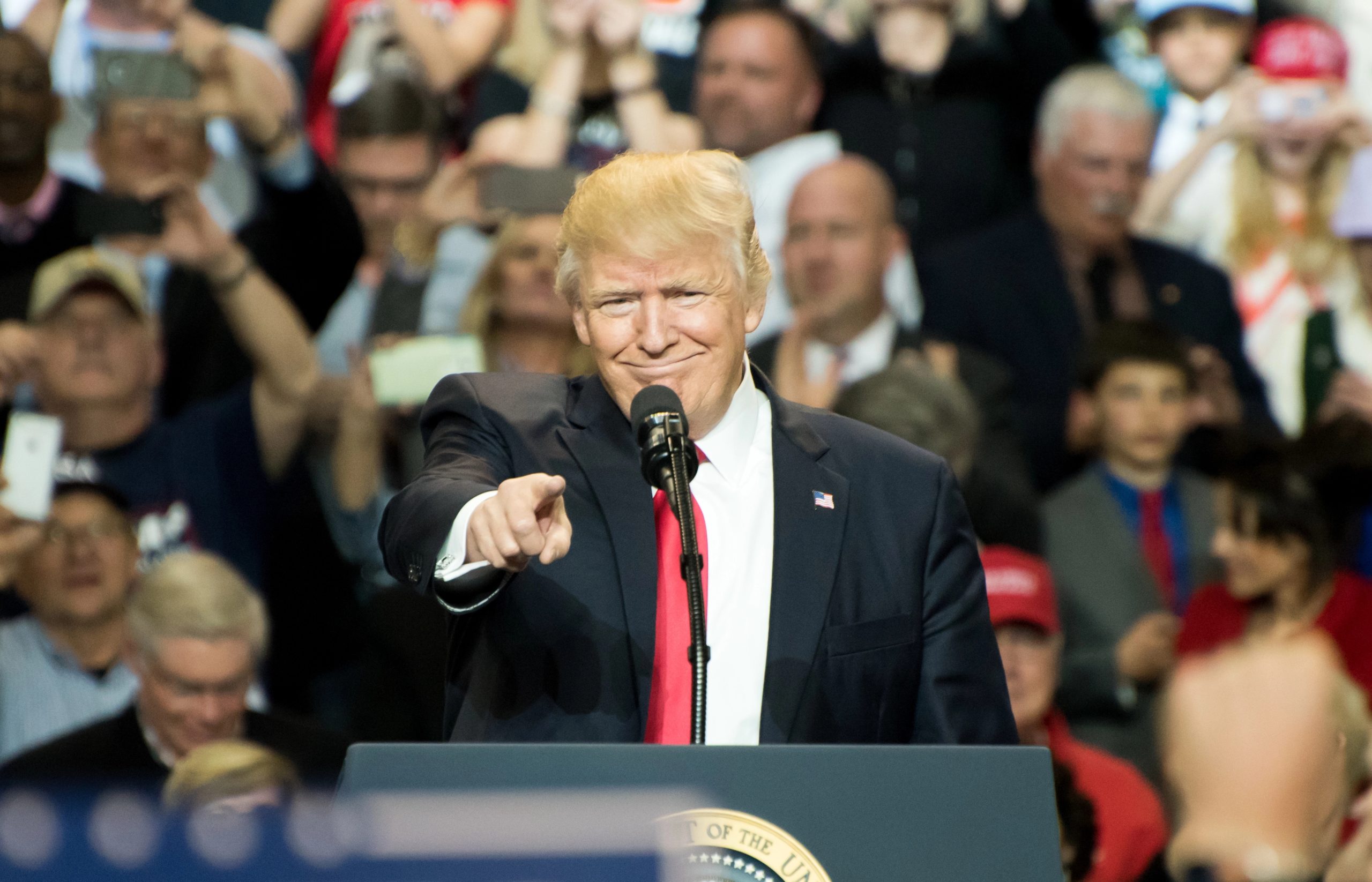
The coming Senate trial is not only about Trump’s conduct toward Ukraine. It will test how Congress defines presidential misconduct serious enough to justify removal.
Donald Trump’s Ukraine impeachment is nearing a Senate trial, and the Democratic-led U.S. House of Representatives is expected to send formal impeachment charges to the Senate as early as next week. The central allegation is abuse of power involving Ukraine: Democrats say Trump used the presidency to pressure Ukraine for political investigations, then resisted Congress’s inquiry.
That transfer matters because it moves the case from House accusation to Senate judgment. Senators will not just weigh a dispute over Ukraine. They will decide whether the alleged conduct meets the constitutional standard for removing a president.
A Senate test of power
The House case places abuse of power at the center of Trump’s next impeachment fight. Democrats argue that the president used official authority connected to Ukraine in service of personal political interests rather than the national interest.
A House report hosted on the official congressional document repository described the inquiry as focused on Trump’s alleged corrupt solicitation of the Government of Ukraine. The importance of that formulation is that Democrats framed the conduct as more than a policy disagreement or diplomatic dispute.
The accusation is broader than whether a particular criminal statute was violated. The House theory is that a president can commit an impeachable offense by misusing lawful powers for improper personal gain.
Reuters reported that the Democratic-led House was expected to send the formal charges to the Senate as early as next week. Once that happens, the rules, timing and pressure points change.
Why Ukraine drives the case
Ukraine is central because the House inquiry examined whether Trump sought investigations involving political rivals while Ukraine depended on U.S. support and attention. Democrats treated that alleged pressure campaign as the key evidence of abuse.
The official House materials tied the inquiry to Trump’s dealings with the Ukrainian government. The underlying claim is that presidential control over diplomacy and security assistance cannot be used as leverage for domestic political advantage.
Trump denied wrongdoing. Republicans rejected the Democratic framing, arguing that the impeachment effort stretched the Constitution beyond its proper limits and relied on disputed motives, policy disagreements and political hostility.
That disagreement is why the charge carries weight. The Senate will be asked to decide whether the alleged use of foreign-policy power crossed a constitutional line, not simply whether lawmakers disapproved of Trump’s conduct.
Two articles, one larger fight
The House case rests on two linked accusations. One focuses on the alleged misuse of presidential power abroad. The other focuses on resistance to investigation at home.
- Abuse of power: Democrats alleged Trump used the presidency to pressure Ukraine for investigations that could help him politically.
- Obstruction of Congress: Democrats alleged Trump impeded the House inquiry by resisting demands for testimony and documents.
The abuse-of-power article is the core constitutional claim. It asks senators to judge the president’s purpose and whether his use of official authority was serious enough to justify conviction and removal.
The obstruction article raises a different institutional question: whether a president can broadly refuse cooperation with an impeachment inquiry. Congress.gov’s record of the December 2019 House Judiciary proceedings shows Democrats presenting obstruction as part of the case, while Republicans challenged both the process and the strength of the evidence.
The Senate changes the battlefield
When impeachment articles move to the Senate, the House no longer controls the case in the same way. House managers prosecute the articles, but the Senate sets the trial framework and senators decide the outcome.
An impeachment trial is not a courtroom proceeding in the ordinary sense. It is a constitutional process with legal features, political consequences and a high bar for conviction.
That means evidence will matter, but it will not be the only force shaping the result. Party alignments, public opinion and senators’ views of executive authority will all influence how the allegations are received.
For Trump, the Senate phase is a different arena. The House had already approved the charges, but removal requires a far broader coalition in the Senate than a simple House majority.
Competing constitutional warnings
Democrats’ argument carries a warning about presidential power. If a president can use foreign-policy tools to seek political help, they argue, the presidency gains a dangerous shield against accountability.
Under that view, impeachment exists for abuses that threaten elections, national security or Congress’s ability to check the executive branch. The Ukraine allegation is presented as exactly the kind of misuse of office the impeachment power was designed to address.
Republicans offer a different warning. They argue that if Congress can impeach a president over contested intent and disputed policy conduct, impeachment risks becoming a partisan weapon.
Under that view, elections, not removal, should decide political grievances unless there is clearer proof of a grave offense. Trump’s allies also argue the case is politically driven and constitutionally weak.
What remains unsettled
The immediate next step is procedural but consequential: transmission of the articles to the Senate. Until the trial rules are settled, major questions remain open, including how evidence will be presented, whether witnesses will be called and how long the proceedings will last.
The House theory is clear: abuse of power is the leading charge, and obstruction of Congress reinforces the claim that Trump resisted accountability. The defense is also clear: Trump and his allies reject the case as politically motivated and insufficient for removal.
The Senate’s decision will determine the immediate fate of the charges. But the stakes extend beyond one proceeding. The trial will help define how far Congress can go in treating a president’s alleged use of foreign-policy authority for personal political benefit as a removable offense.
That is why the abuse-of-power charge matters now. It is not simply a label attached to a partisan fight. It is the constitutional theory at the center of an impeachment case moving from the U.S. House of Representatives to the Senate.
Leave a Reply