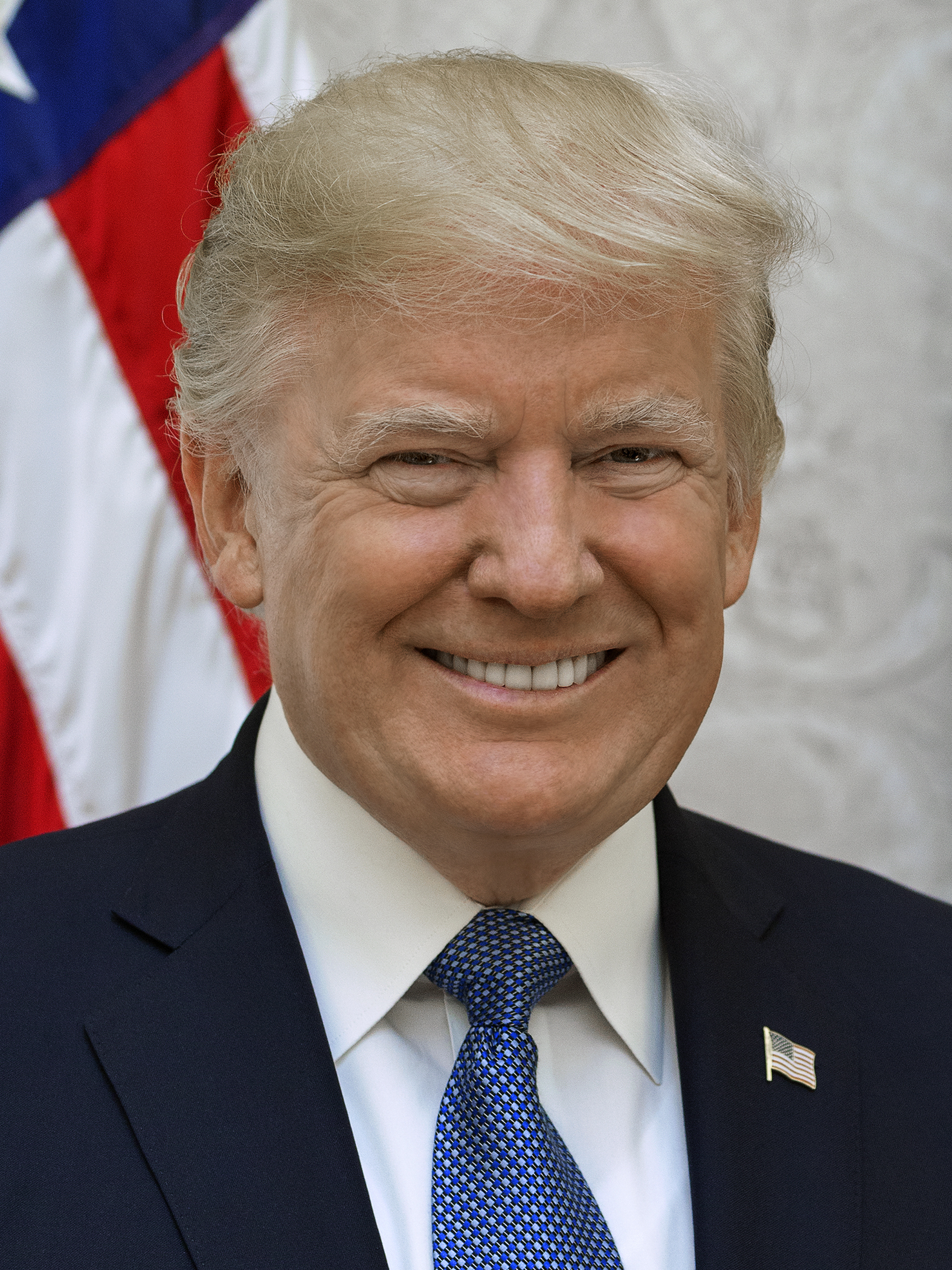
Trump’s AI-generated images are part of a broader, meme-heavy communications style that rewards instant reaction. The dispute raises different concerns when the target is a comedian versus a journalist.
Donald Trump is posting AI-generated images targeting late-night comedians and journalists, turning media criticism and political grievance into shareable political content. The posts matter because this AI image spree shows how a political media fight can now move through synthetic visuals built for immediate reaction rather than through a statement, interview or edited video.
The images are being read as more than a familiar Trump-versus-media exchange. They illustrate a fast-moving style of political communication in which satire, scrutiny and online outrage can be recast as a meme and distributed almost instantly.
Images make conflict travel faster
Trump has long had a combative relationship with both the press and late-night television. Comedians make him the subject of jokes and monologues, while journalists scrutinize his administration, his public statements, and his political and legal fights.
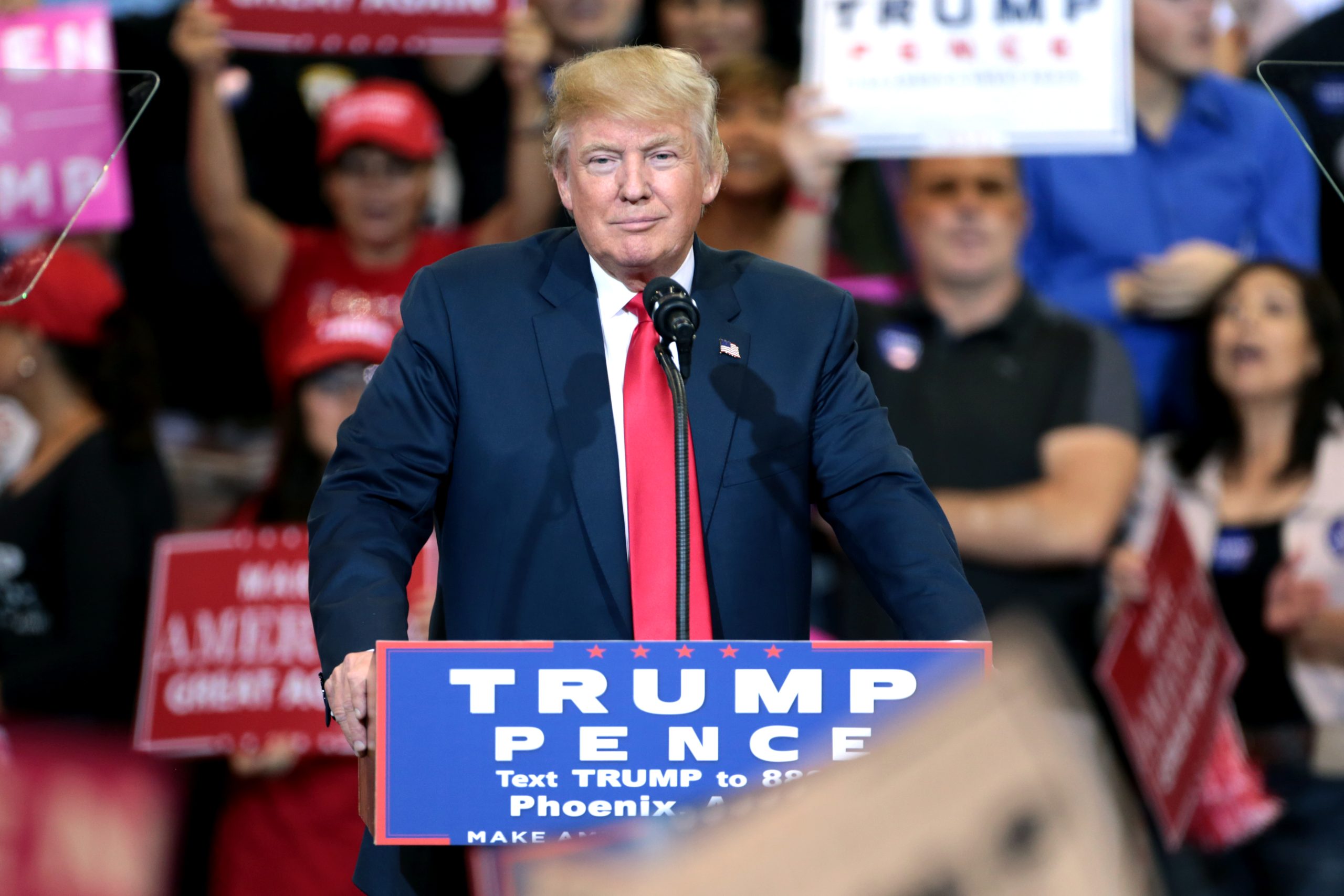
Trump has often portrayed both groups as hostile actors rather than as entertainers or neutral observers. AI-generated imagery gives that conflict a compact visual form: an image can present a critic, institution or grievance as a caricature before a viewer has read a full argument.
That speed is central to the appeal. On a mobile feed, a synthetic image competes with entertainment, sports, weather and breaking news, and it can be understood in seconds. The intended result is not necessarily traditional persuasion; it can be laughter from supporters, anger from opponents, news coverage and repeated reposting.
In that sense, the post itself is only the start. Attention generated around the image can keep the message circulating long after its original upload.
AI adds volume and ambiguity
Political cartoons, manipulated photographs and parody videos all predate generative AI. The change is the speed, volume and potential realism of the new tools, which make it easier to create and distribute polished visual material at scale.
The Associated Press has reported on broader use of AI portraits by Trump and his administration, including depictions of Trump as a Star Wars-style Jedi, a pope, a king and in other overtly fantastical scenes. AP characterized the material as part of a less formal public image coming from Trump’s accounts and administration channels.
Some images are plainly artificial and appear designed as fantasy or humor. Others can be polished enough to confuse audiences, particularly if they are reshared without their original caption or context.
Trump acknowledged that ambiguity at a news conference earlier this month, according to AP. “It works both ways,” he said of AI-generated content, adding, “If something happens that’s really bad, maybe I’ll have to just blame AI.”
A meme strategy from official channels
AI imagery fits a political style already built around conflict, dominance and spectacle. It can depict a leader as heroic, portray a critic as ridiculous or cast an institution as weak or corrupt without needing a detailed written case.
Political historian Evan Cornog told AP that political images work because audiences process them nearly immediately. “By the time you’ve seen it, you’ve understood it,” Cornog said.
The White House has embraced that online logic. AP reported that official administration accounts have used meme-style posts and joked on X, “Nowhere in the Constitution does it say we can’t post banger memes.” A White House official told NBC News that administration social accounts had added more than 16 million followers across platforms since Inauguration Day, according to AP.
Supporters may see the approach as a politically fluent use of internet culture rather than the more formal language of traditional press releases. Critics see a different implication: government power using the language and tactics of online trolling.
Comedians and reporters face different stakes
Late-night performers are in the business of provocation, exaggeration and ridicule, especially when the subject is a powerful political figure. An AI image aimed at a comedian can resemble a familiar attention cycle: a host makes a joke, Trump responds, and both sides gain visibility.
Journalists are in a different position. Even when a reporter is publicly recognizable, reporting is not the same kind of performance. Synthetic images aimed at journalists can frame professional scrutiny as personal or partisan opposition and encourage audiences to treat reporting as just another combatant in a political feud.
That does not mean every AI image targeting a journalist amounts to misinformation or harassment. The context matters: whether an image is clearly identified as artificial, whether it depicts an event that did not occur, whether it contains threats, and whether official or campaign-aligned accounts amplify it.
Still, the report points to a real imbalance of reach. A president’s social-media audience can make an individual reporter, editor or host a national target faster than a correction or explanation can spread.
Why obvious fakes can still work
Not every influential AI image is trying to masquerade as documentary evidence. Some are effective precisely because they express an emotion or grievance that a sympathetic audience already feels.
AI expert Henry Ajder told AP that viewers can treat clearly fake material as a “revelatory” image: not literally true, but emotionally satisfying. A person may recognize that an image is manufactured and still believe it captures a larger truth about its subject.
That helps explain the usefulness of synthetic images in disputes involving journalists and comedians. They can flatten complicated roles into quick symbols: a smug host, a corrupt reporter, a heroic leader or an unfair media machine.
The same post can therefore produce opposite readings. To one audience, it is an obvious joke. To another, it is an attack presented as humor.
Key details remain unresolved
The available reporting does not establish every image included in the posting spree, which AI tools were used, who created each image or whether platforms attached labels to them. Those details would affect how individual posts should be understood.
They could help distinguish between parody, political advertising, harassment and misinformation. They also matter in the wider debate over whether obviously fabricated political content should carry labels when it is still intended to shape public attitudes.
Trump’s posts show how quickly the boundary between political messaging, entertainment and media criticism can blur online. The next confrontation between a politician, a late-night comedian and a journalist may begin not with a quote or a clip, but with an image made to feel persuasive before viewers stop to ask whether it happened.
Leave a Reply