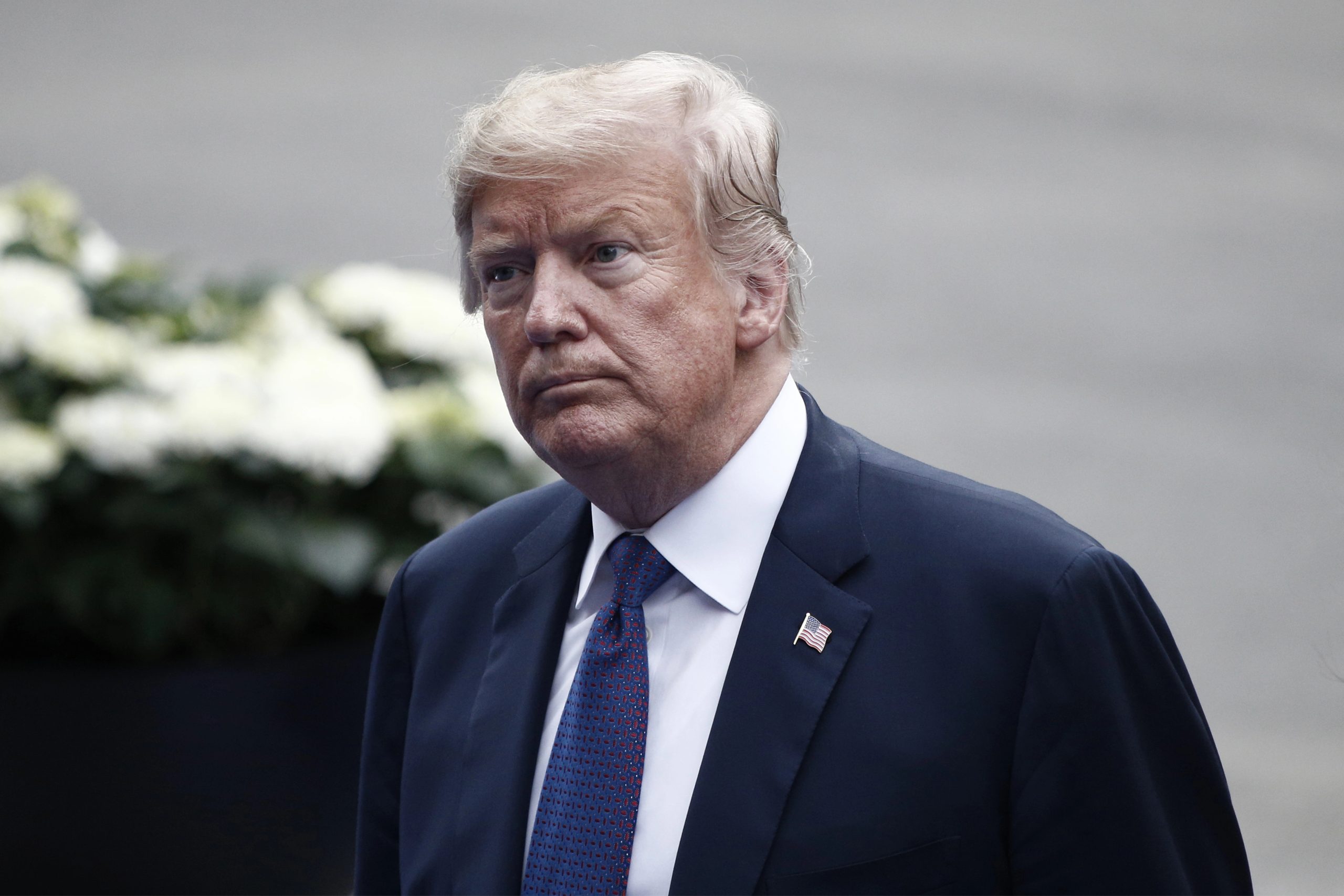
The issue is no longer simply whether Trump can be held accountable. It is which institutions can do it, how quickly, and under rules the Supreme Court has now reshaped.
Donald Trump’s accountability options have narrowed after the Supreme Court’s immunity ruling, and his reckoning now runs through courts, immunity rules, prosecutors, voters and unresolved legal questions. The ruling did not end the effort to hold Trump to account; it changed the terms of it. Instead of a single, clean path to punishment or exoneration, the question is now which institutions can act, how quickly they can move and what the Supreme Court has made harder to prove. That means Trump’s legal and political future is being shaped at once by judges, prosecutors and voters, with each weighing a different part of the case. The result is a narrower, slower and more complicated path to accountability.
The reckoning is not one event
The phrase often used around Trump is “inevitable reckoning.” It is powerful because it suggests a final moment when legal, political and public judgment all arrive at once. The harder reality is less dramatic.
Accountability for a former president can mean several different things. It can mean a court ruling, a prosecution, a voter decision, congressional judgment, reputational damage or a historical verdict that takes years to settle.
The Idaho Public Press analysis treats that distinction as central. A political reckoning can be driven by public rejection or loss of power. A legal reckoning requires evidence, procedure, jurisdiction and rulings that can survive appeal.
That difference is why the current debate is so tense. Trump’s critics often view the legal and political questions as inseparable. His supporters often argue the reverse: that legal scrutiny is itself political. The accountability fight now sits inside that divide.
Immunity narrowed the route
The key legal turn is the Supreme Court’s July 1, 2024 decision in Trump v. United States. The court held that former presidents do not have absolute federal criminal immunity for unofficial acts.
At the same time, the court recognized absolute immunity for core constitutional powers and at least presumptive immunity for many official acts. That combination is why the ruling matters so much.
It did not give Trump everything he sought. It also did not hand prosecutors a simple path. Instead, it created a gatekeeping question: which alleged conduct counts as unofficial, which falls within core presidential authority, and which official acts may be protected unless prosecutors can overcome the presumption.
For accountability advocates, the ruling’s most important point is that a former president can still face prosecution for unofficial conduct. For Trump and defenders of broad executive power, the ruling’s most important point is the court’s warning against criminalizing presidential decision-making too casually.
Delay has political weight
In ordinary criminal cases, delay can frustrate prosecutors, defendants and the public. In cases involving a former president, delay can also affect the political system itself.
The Idaho Public Press analysis notes that critics of the Supreme Court’s handling of Trump’s immunity claim argued the process risked pushing accountability beyond the moment when voters needed clarity. Opinion writers, including at The New York Times, framed that delay as a democratic problem.
That criticism is not the same as saying Trump is guilty of anything. It is about timing. If legal answers arrive after voters have already made political choices, the public may be left to judge without the clarity a completed legal process might have provided.
Trump’s allies see the timing issue differently. They argue that rushing cases against a major political figure can look like election interference, especially when prosecution calendars and campaign calendars collide. That argument has force among voters who already distrust federal institutions.
Prosecutors still have room
The Supreme Court ruling did not erase the idea that a president can be held to criminal law. The analysis points to the Justice Department’s warning during the immunity fight that an extreme version of Trump’s position could leave a president free from criminal consequences for grave abuses of power.
The court did not accept that extreme position. Its opinion said former presidents lack immunity for unofficial conduct, which remains the legal opening for prosecutors.
But that opening is narrower than many accountability advocates wanted. Any serious case involving presidential conduct must now pass through an immunity filter before courts can reach broader factual questions.
That makes the next steps more contested. Lower courts must apply the Supreme Court’s categories to specific allegations, and those decisions can themselves be challenged. The result is a legal process that continues, but with more hurdles and more room for dispute.
Voters carry part of it
Courts are not the only institutions that judge presidents. Voters, Congress, historians, party leaders, donors, aides and public officials all play some role in deciding whether conduct is punished, excused or absorbed into partisan identity.
That is why the accountability debate cannot be reduced to a courtroom scorecard. Political accountability may be less precise than a verdict, but it can arrive faster and shape power more directly.
At the same time, political judgment is not uniform. Some voters may treat legal scrutiny as disqualifying. Others may treat it as a partisan attack. Still others may see it as background noise compared with other concerns.
That uncertainty is one reason predictions of Trump’s inevitable collapse have failed before. The analysis notes that Trump has survived scandals, impeachments, investigations and civil and criminal scrutiny while retaining intense support inside the Republican coalition.
What remains unsettled
The biggest open question is how far the Supreme Court’s immunity framework reaches in practice. The court drew categories, but lower courts still have to sort specific allegations into them.
Another unresolved question is whether voters treat legal accountability as a decisive issue. The answer may vary by party, state and media environment, making national conclusions difficult.
There is also a deeper institutional challenge. The justice system must move quickly enough for its decisions to matter, while preserving the fairness that gives those decisions legitimacy. If it moves slowly, critics call it ineffective. If it moves quickly, Trump’s defenders call it rigged.
That is the narrower accountability path now facing Trump. If a reckoning comes, it is unlikely to arrive as one clean moment. It is more likely to come in pieces: a ruling, a prosecutorial test, a voter judgment and a public record that becomes harder to ignore.
Leave a Reply