
A campaign moment built around frustration over grocery bills now carries a more difficult message for Republicans. The key political divide is whether slower price growth feels like meaningful relief to households.
Donald Trump’s 2024 grocery photo opportunity is back in focus as food prices continue to rise and Republicans prepare for the U.S. midterm elections. The campaign image tied Trump directly to frustration over grocery bills, and it now creates a visible political test of whether voters believe the promised economic relief has arrived.
In the United States, the argument is not simply about one photograph or one month of prices. Republicans must defend the administration’s economic record and its 2024 messaging while many households continue to see higher costs when they shop for food.
The photo now carries expectations
Trump’s grocery-related appearance in 2024 turned a broad economic concern into an easily understood campaign message. Food bills offered a daily, personal measure of the cost-of-living squeeze, without requiring voters to follow economic reports or compare national indicators.
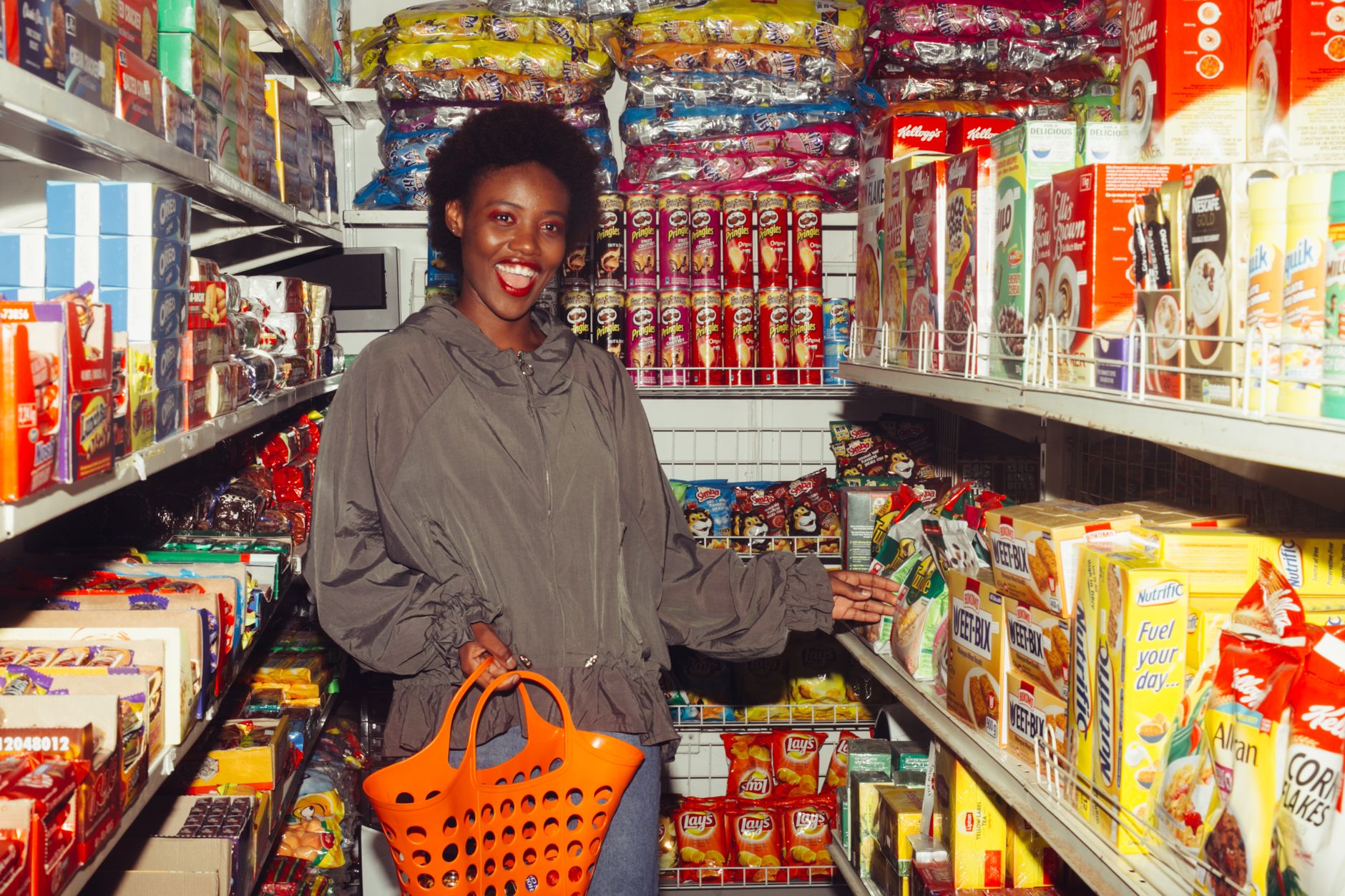
That simplicity is also what makes the image difficult for Republicans to leave behind. A photo opportunity cannot determine an election on its own, but it can become a lasting reminder of the expectations a campaign created.
In this case, the implied standard was concrete: if a change in leadership would ease pressure on household budgets, voters could look to their grocery carts for evidence. Opponents can now point to the same image and argue that the issue it represented remains unresolved.
Prices are rising at a slower pace
The latest Food Price Outlook from the U.S. Department of Agriculture’s Economic Research Service found that overall food prices in June 2026 were 3.0% higher than a year earlier. Food bought for home consumption, the category most closely associated with supermarket purchases, was up 2.7% year over year.
The USDA also reported variation across the store. Average prices increased in 10 of the 15 food-at-home categories it tracks from May to June, while five categories declined.
Beef and veal, other meats, dairy products, fats and oils, and sugar and sweets each recorded monthly average price increases of at least 1%. The agency forecast that food-at-home prices would rise 2.7% on average in 2026.
Those figures are well below 2022, when overall food prices rose 9.9%. But slower inflation is not the same thing as lower prices, and that distinction sits at the center of the political dispute.
Inflation moderation is not relief
When inflation slows, prices are still rising, just less quickly. It does not mean the total price of a grocery basket has returned to where it stood before the recent inflation surge.
That difference may sound technical, yet it is highly relevant to how voters assess economic claims. A family facing a bill that remains noticeably higher than it remembers may not experience a reduced rate of increase as the kind of relief suggested by campaign rhetoric about making groceries cheaper.
Republicans can argue that the pace of food-price increases has moderated and that structural pressures take time to address. Critics can counter that moderation falls short of the broad rollback many consumers could reasonably associate with a promise of lower grocery costs.
The disagreement is therefore likely to focus less on whether inflation is lower than its peak and more on what voters expected after 2024.
No president sets every food price
Neither party can credibly attribute grocery prices to a single White House decision. Food costs can be shaped by weather, animal disease, energy and transportation expenses, labor costs, global commodity markets, supply chains, and decisions by producers, processors and retailers.
The USDA’s category-level figures underscore that complexity. A change in beef prices may arise from different forces than a change in fresh vegetables or beverages, and shoppers’ experiences vary according to what they buy, where they live and whether they eat more meals at home or away from home.
Republican candidates may emphasize those limits on presidential control, along with broader measures of economic performance. But that defense can be harder to communicate because Trump’s 2024 message was designed to be direct and tangible.
Democrats, for their part, have reason to portray continuing food inflation as evidence that Republican promises went further than government policy could quickly deliver. They still face uncertainty over where voters will assign blame, including to the prior administration, supply disruptions, corporate pricing decisions or other causes.
The midterm fight reaches checkout
Grocery costs have unusual political force because they are visible and recurring. People may encounter economic statistics occasionally, but food prices appear in routine household decisions involving milk, meat, produce and pantry staples.
That gives Republicans a difficult balance in the midterm campaign. The party long argued that Democratic economic policy contributed to higher living costs, and Trump’s 2024 grocery message reinforced that critique. Once Republicans made grocery bills a central proof point, voters could also use them to judge Republicans in power.
Food prices may not remain the dominant issue through Election Day. Wages, employment, housing, health care, tariffs or another economic concern could take greater prominence. The USDA forecast provides a national outlook, not a prediction of how individual voters will evaluate their finances.
Still, Trump’s 2024 grocery photo remains relevant because it condensed a complicated economic debate into a familiar scene. For the midterms, the question is not whether one picture explains the economy. It is whether shoppers feel enough improvement in their weekly bills to see the promise behind it as fulfilled.
Leave a Reply