Trump’s frustration over the Israel-Iran ceasefire became a story about more than diplomacy when he used an expletive before cameras. The episode highlights a changing standard for presidential speech, while leaving its political effect unproven.
Donald Trump used an expletive on camera on June 24, 2025, while discussing the Israel-Iran ceasefire, and the incident tested presidential norms in an unusually public way. His remark, made as he voiced frustration with Israel and Iran, renewed scrutiny of presidential language because it came during a foreign-policy crisis rather than in a private or accidental setting.
The central question is not simply whether the language was offensive. It is whether a president’s public profanity still carries political weight—and whether there is evidence that this particular moment changed anything beyond the day’s coverage.
A ceasefire dispute became the focus
According to NPR’s June 24 report, Trump spoke to reporters before leaving the White House for a NATO summit in The Hague. He was reacting after Israel and Iran appeared to violate a ceasefire that he had celebrated.
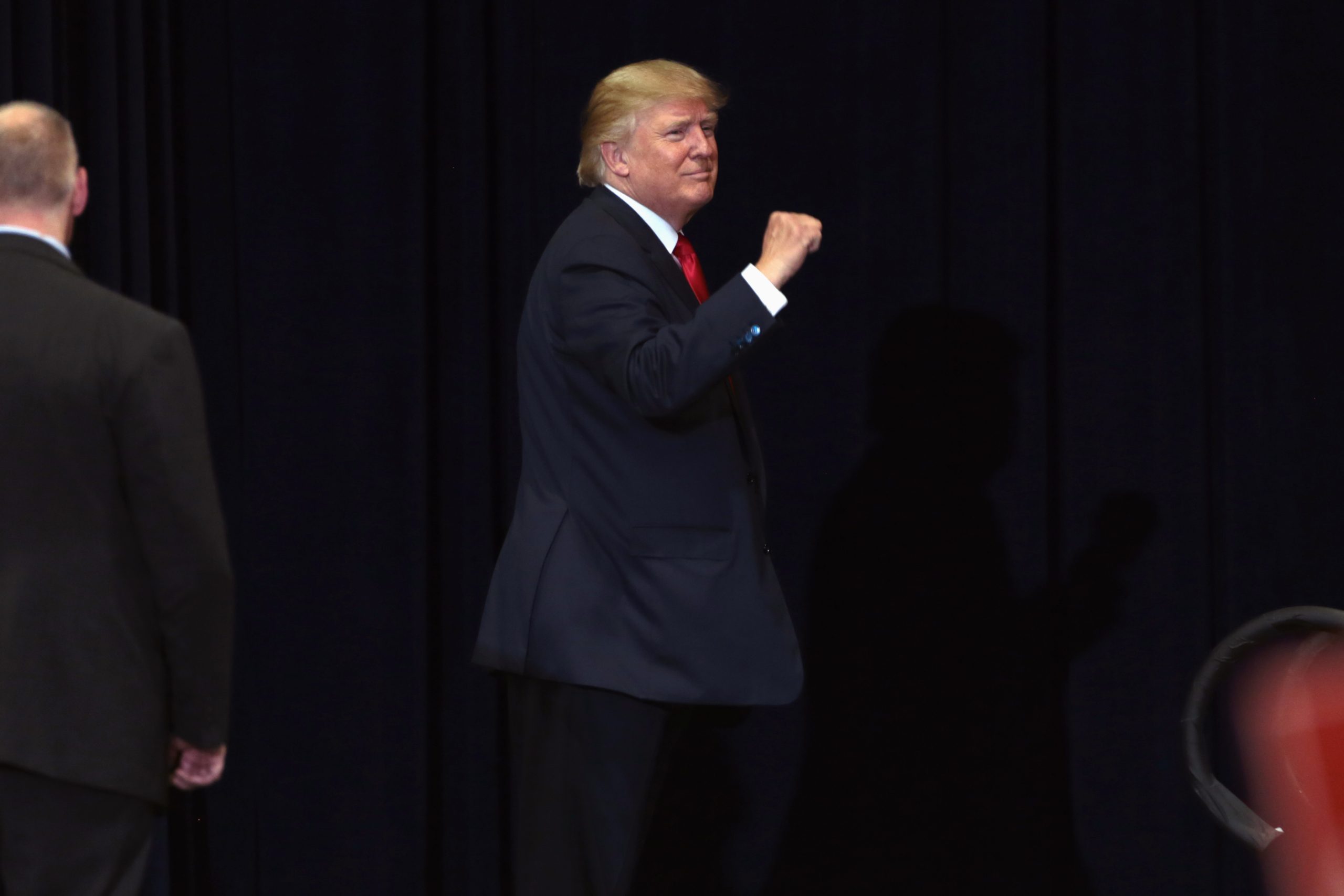
“We basically have two countries that have been fighting so long and so hard that they don’t know what the f*** they’re doing,” Trump said, according to NPR.
The bluntness of the statement drew attention partly because of its setting. Presidents can be angry, informal and even profane away from public view. Here, the wording was delivered openly, recorded on camera and attached to a volatile international issue.
That combination shifted attention from the substance of Trump’s complaint to the language he chose to make it. The debate became a test of what the public expects from a president when speaking about war, diplomacy and failed ceasefire commitments.
Why the public setting matters
NPR described the on-camera use of that particular expletive as potentially unprecedented for a president. Russell Riley, a presidential historian at the University of Virginia’s Miller Center, told NPR he could not recall a president openly using the term in a public forum.
That does not mean U.S. presidents have never sworn. Presidential profanity has surfaced in private conversations, recordings and less formal environments, and public figures have had accidental hot-mic moments. The distinction is that Trump’s words were not presented as an overheard aside.
Joe Biden’s 2010 remark to Barack Obama that the Affordable Care Act was a “big f***ing deal” is one well-known example of a memorable profane moment. But Biden was vice president at the time, and the comment was not equivalent to a president deliberately using the word before reporters during a live foreign-policy dispute.
Riley also indicated that the episode was not wholly out of character for Trump, whose political identity has long included challenges to the constraints and etiquette traditionally associated with the presidency. That history can make a new breach of convention feel less startling to people who already know his style.
Two views of presidential restraint
Critics can reasonably see the episode as more than a manners dispute. A president’s language can signal judgment, self-control and the seriousness with which an administration addresses a dangerous international situation. In that view, profanity during a public exchange about Israel and Iran can reinforce concerns about temperament or presidential conduct.
Supporters may see the same moment differently. For voters drawn to Trump’s confrontational and unvarnished approach, the remark may read as frustration stated plainly rather than a disqualifying breach of decorum. They may judge the president chiefly on wider results, not whether his phrasing matches older conventions.
Those positions reveal why the issue is difficult to reduce to one word. The dispute is partly about whether restraint remains an essential marker of leadership, and partly about whether voters regard traditional presidential etiquette as meaningful at all.
Trump’s comment therefore offers a narrow but vivid example of a broader shift: conduct that once might have dominated a political cycle can now be absorbed by audiences whose views of a political figure are already firmly formed.
Coverage is not proof of fallout
A source headline characterized Trump’s swearing as something that could backfire and suggested that time was running out for him. But the supplied reporting does not establish that the remark caused a measurable political cost.
For “backfire” to be more than a forecast, it would need a clear definition and supporting evidence. It could mean a decline in approval, changed views among persuadable voters, a loss of political support, a distraction from the administration’s policy message or an adjustment in White House strategy.
None of those outcomes can be assumed from a single public outburst. The available source material includes no polling, campaign data, identified expert assessment in full or documented change in strategy connected to the statement.
That absence matters because high-profile political language often generates intense discussion without changing votes, approval ratings or policy outcomes. For some audiences, the incident may simply affirm an existing opinion of Trump—positive or negative—rather than move it.
Why the exact words are news
News organizations generally have reasons to be cautious with vulgar language. The Associated Press explained in a 2018 editorial note that it usually avoids obscenities and vulgarity unless they appear in direct quotation and there is a compelling reason to include them.
AP said in the case it addressed that a president’s use of the word was itself news because it occurred during a consequential policy conversation. It also said editors were warned about the language.
That standard helps explain why Trump’s quote received attention without requiring the conclusion that the profanity damaged his presidency. In a significant public setting, the choice of words can be part of the event being reported, not merely colorful language stripped from context.
The same principle applies here. Trump was discussing a ceasefire involving Israel and Iran, not trading insults in an entertainment setting. The context gave his expression of frustration added significance, even if its longer-term political consequences remain unknown.
The evidence still needed
The strongest criticism is not that one profane sentence determines a presidency. It is that repeated breaks from presidential convention could make it harder to appeal to people who want forceful leadership but also expect discipline during consequential moments.
The strongest defense is equally straightforward: conventional etiquette is not the same as governing effectiveness, and a voter may weigh foreign policy, economic concerns and other outcomes more heavily than one on-camera remark.
For now, the verified conclusion is limited. Trump publicly used an expletive while discussing the Israel-Iran ceasefire, and a presidential historian told NPR he could not recall a president using that term openly in a public forum.
Whether the moment ultimately matters politically remains unresolved. A demonstrated backlash would require evidence such as measurable shifts in opinion, visible political consequences or a more fully documented explanation for claims that the episode will backfire.
Leave a Reply