
The polling complicates the idea of a single Christian voting bloc. It shows contrasting movement among groups important to Trump’s coalition while leaving the causes—and political consequences—unsettled.
Donald Trump’s approval ratings moved in opposite directions among born-again Protestants and Roman Catholics from January to July in five national Marquette Law School polls. Approval rose from 56 percent to 61 percent among born-again Protestants, while it fell from 54 percent to 45 percent among Catholics.
A 32-point July net-approval gap separated the two groups: Trump stood at plus 22 among born-again Protestants and minus 10 among Catholics. The polling showed rising approval among born-again Protestants and declining approval among Catholics, highlighting divisions within key Christian blocs without showing why voters moved or predicting how they will vote.
One religious label, two trends
Christian voters are often discussed as if they form one stable political constituency. The Marquette series instead points to markedly different trajectories inside that broad label.
Trump’s standing strengthened among born-again Protestants across the polling period. His approval was 56 percent in January, 57 percent in April and May, 59 percent in June, and 61 percent in July.
His net approval among that group rose from plus 12 in January to plus 22 in July. That movement matters because born-again Protestants have remained among Trump’s most dependable constituencies.
Catholics followed a different path. Approval was 54 percent in January and 53 percent in April, then fell to 45 percent in May and 43 percent in June before recovering slightly to 45 percent in July.
The July divide in context
The result was a July net approval rating of minus 10 among Catholics, compared with plus 22 among born-again Protestants. That 32-point difference is the clearest measure of the gap in the Marquette polling analyzed by Newsweek.
It was not simply a reflection of a sharp national turn in Trump’s standing. Across the same Marquette polls, his overall approval was 42 percent in January, declined to 38 percent in May and June, then reached 40 percent in July.
That broader pattern was comparatively steadier than the diverging movement in the two religious groups. The data therefore raise a narrower political point: voters who are both Christian may not be responding to the presidency in the same way.
Mainline Protestants offer another reminder against broad assumptions. Their approval of Trump registered at 47 percent in both January and July, even though it shifted at points between those months.
Why Catholic movement draws attention
The sharpest change among Catholics occurred between April and May. That timing is notable, but the surveys do not establish what caused it.
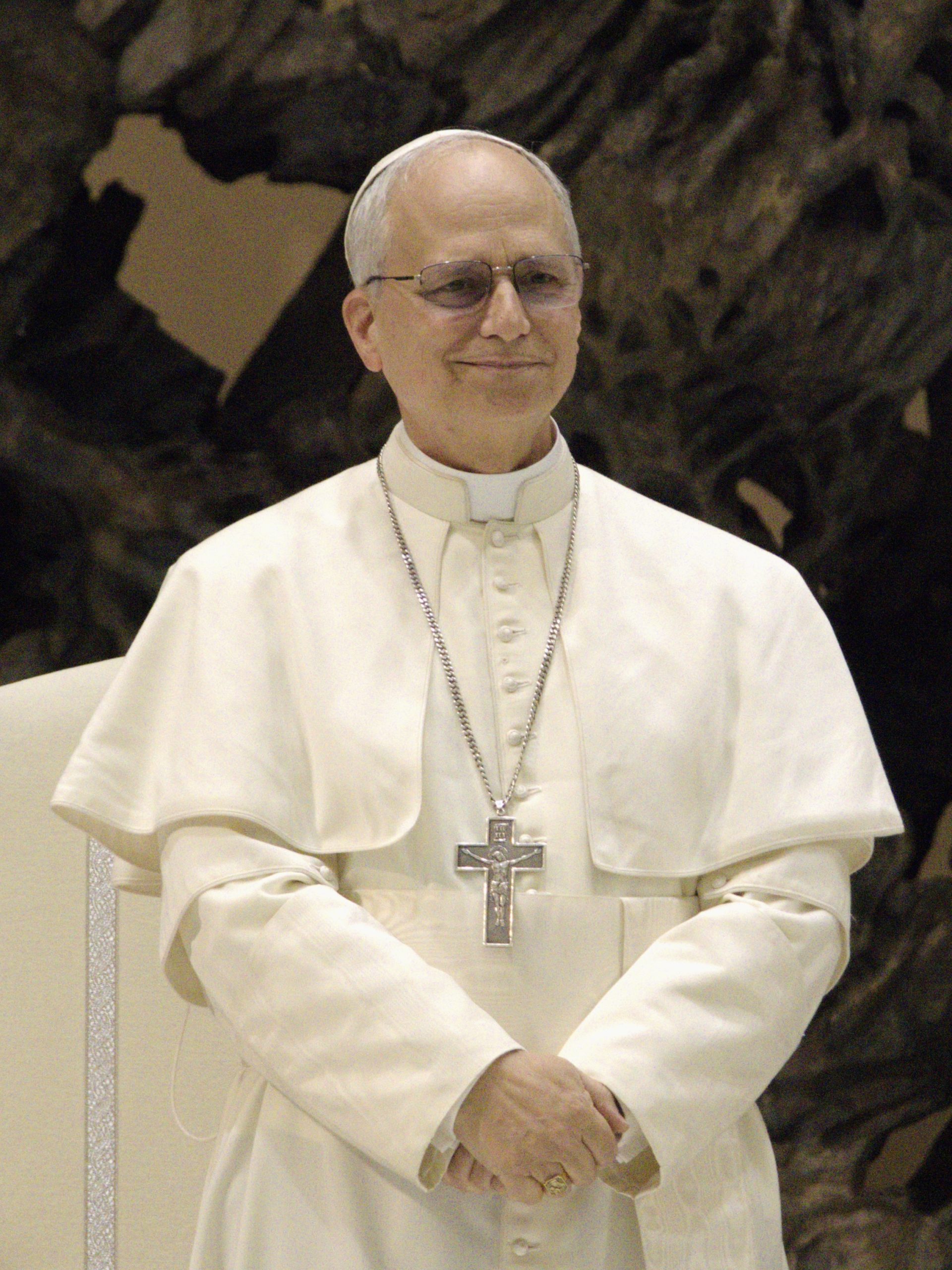
Newsweek placed the decline in the context of public tensions earlier this year between Trump and Pope Leo XIV over immigration and the war with Iran. Leo called for peace and greater compassion toward migrants, while Trump pushed back against the pontiff’s interventions.
Those disputes may be part of the political backdrop, but the polling cannot show a direct connection. A voter’s view of a president can reflect economic conditions, immigration policy, foreign policy, party loyalty and reactions to particular events, often at the same time.
The White House defended Trump’s record in a statement to Newsweek, saying he had protected religious liberty, supported parents’ rights and pardoned anti-abortion activists. That argument speaks to the administration’s appeal to religious conservatives, even as the Catholic results ended the period far below the born-again Protestant numbers.
Catholics remain an important bloc
The decline in approval does not mean Catholics have become a uniform political group or that they are moving predictably toward Democrats. The group is politically varied, and a national topline can conceal important internal differences.
Pew Research Center analysis of validated voters cited by Newsweek found Catholics made up 20 percent of 2024 presidential voters and 22 percent of Trump’s coalition. Trump won Catholic voters overall in 2024 by 55 percent to 43 percent, after the group was much more evenly divided between Trump and Joe Biden in 2020.
Those election figures help explain why the current approval trend is politically relevant. Catholics are a sizable part of the electorate, particularly in close contests, but the Marquette findings suggest they should not be treated as interchangeable with the evangelical-leaning base.
For Republicans, the contrast underscores two separate challenges: retaining a major source of strength among born-again Protestants while monitoring whether softer Catholic approval persists. For Democrats, lower Catholic approval of Trump could represent an opening, but it is not evidence of an assured electoral gain.
What five polls can establish
The findings come from five separate national Marquette Law School polls, each based on a new sample rather than repeated interviews with the same respondents. Each survey included between 1,002 and 1,514 adults, with overall margins of error ranging from plus or minus 2.7 to 3.5 percentage points.
That design can identify broad movement over time, but it cannot prove that particular individuals changed their minds between surveys. It also cannot determine the reason behind a change in approval.
The religious-group figures are based on smaller portions of the full samples, making them potentially more volatile than national results. The nine-point decline in Catholic approval from January to July is a meaningful signal in this series, but later polling is needed to show whether it endures, reflects a particular moment or is partly survey variation.
Most importantly, presidential approval is not the same as vote choice. The Marquette numbers document an emerging difference within Trump’s Christian coalition; they do not settle how those voters will behave in a future election.
A coalition with separate pressure points
The polling’s central lesson is less about one religious community than about the limits of political shorthand. Trump’s gains among born-again Protestants coexist with weaker approval among Catholics, even though both groups are commonly included in discussions of Christian conservative support.
That distinction may matter as parties refine their messages on immigration, foreign policy, religious liberty and other issues that can resonate differently across faith communities. For now, the evidence supports a careful conclusion: Trump’s religious coalition includes important groups moving in different directions, and the reasons behind that split remain unclear.
Leave a Reply