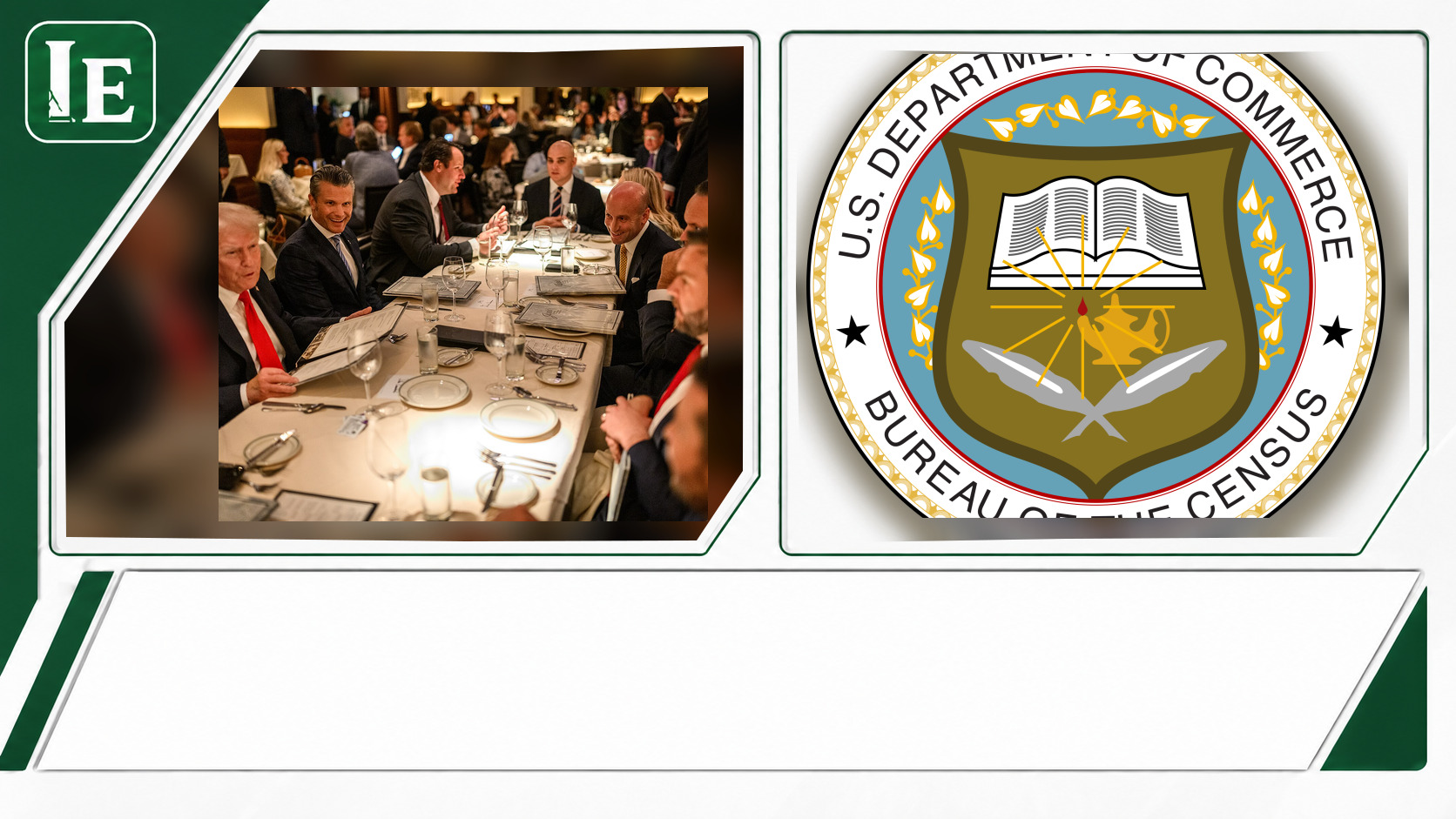
The dispute is about more than one report: it raises a familiar question about whether politically sensitive population data can remain insulated from presidential pressure. Census figures shape representation, public funding and trust in federal statistics.
Donald Trump’s unusual new census report has drawn sharp criticism from experts who say it reflects White House interference in federal statistical reporting. The critics have described the episode as a “hijack by the White House,” putting the U.S. Census Bureau at the center of a political fight over who controls sensitive claims about the American electorate.
The controversy matters because Census Bureau data do far more than fill tables. They help guide congressional representation, redistricting and the distribution of federal resources, so doubts about political influence can damage public confidence long after a single report fades from view.
Why the report drew scrutiny
Available reporting identifies the document as an unusual Trump-era census report involving allegations about noncitizen voting. CNN’s report on the dispute says experts objected not only to the substance of the claims, but also to the White House’s role in a product associated with census work.

That distinction is central. Government officials routinely make policy arguments from public data. The more serious allegation is that political officials crossed from interpreting statistics into directing or repackaging statistical work in a way that compromised its independence.
Critics’ use of the word “hijack” is an accusation, not an established legal finding. It conveys their view that a White House political objective displaced the normal institutional safeguards expected around Census Bureau analysis and publication.
What the underlying claim involves
The available CNN material references an assertion involving alleged noncitizen votes, including a figure of 1,100 alleged votes in Arizona. It also notes that Joe Biden’s 2020 Arizona margin was 10,457 votes.
Those two figures do not, on their own, establish who cast any ballot, whether a vote was unlawful, whether an allegation was verified or whether it would have changed an election result. A claim about alleged voting by noncitizens requires careful sourcing, a clear methodology and an explanation of how officials distinguished errors, duplicates, eligibility questions and confirmed illegal voting.
That is one reason census experts are particularly sensitive to how such information is presented. A report can carry the authority of a federal institution even when readers have not seen the data, assumptions or review process behind it.
The Census Bureau’s special role
The Census Bureau is a federal agency within the Commerce Department, but it has a specialized mission: collecting and publishing statistical information about the country’s people and economy. Its decennial count is required by the Constitution and is used to apportion seats in the House of Representatives.
A Congressional Research Service overview notes that census data also inform legislative mapmaking and the allocation of funding across numerous federal programs. The stakes are therefore practical as well as political. A dispute over a census-related report can touch representation, spending decisions and the credibility of future surveys.
The bureau does not only conduct the once-a-decade census. It produces population and economic data throughout the year, including through surveys and statistical releases. That breadth makes a reputation for methodological independence especially valuable: people and institutions need to believe the numbers are collected and analyzed for statistical purposes, not tailored to an administration’s political message.
Independence is the real flashpoint
Presidents are entitled to set priorities and make arguments about immigration, elections and public policy. Supporters of stronger executive involvement may argue that the White House should be able to highlight data it sees as relevant to national debates, particularly where election integrity is concerned.
Experts challenging the report see a different risk. In their view, attaching a politically charged claim to a census-related product can blur the line between neutral measurement and partisan advocacy. Once that line is blurred, even sound Census Bureau work may be viewed through a political lens.
The concern is amplified by the subject matter. Claims about citizenship and voting are among the most polarizing in American politics. They can shape public perceptions quickly, while the underlying statistical and legal questions often take much longer to investigate.
What remains unclear publicly
The available source material does not provide a full public account of the report’s methodology, the precise role played by White House officials, the internal review process or the evidence supporting each allegation. Those missing details are essential to judging both the critics’ claims and any defense of the report.
It is also unclear from the material available whether the Census Bureau endorsed the report’s conclusions as its own statistical findings, contributed data that were later interpreted by others, or had a different role. Those are meaningfully different scenarios.
A complete accounting would identify the report’s authors, the datasets used, its standards for confirming alleged noncitizen voting, any agency objections and the chain of approval before publication. Without that record, the public is left with a high-stakes accusation and limited visibility into the process behind it.
Trust is the lasting consequence
The immediate clash is over a Trump-era report and accusations of White House influence. The longer-term question is whether federal statistical agencies can preserve public trust when their work enters partisan battles over elections and immigration.
For readers, the useful test is not whether a report supports a preferred political outcome. It is whether its evidence can be independently examined, its methods are clearly explained and its institutional authorship is transparent.
Those standards matter because census-related numbers carry unusual weight. When the public cannot tell where neutral analysis ends and political messaging begins, the damage is not limited to one administration or one report.
Leave a Reply