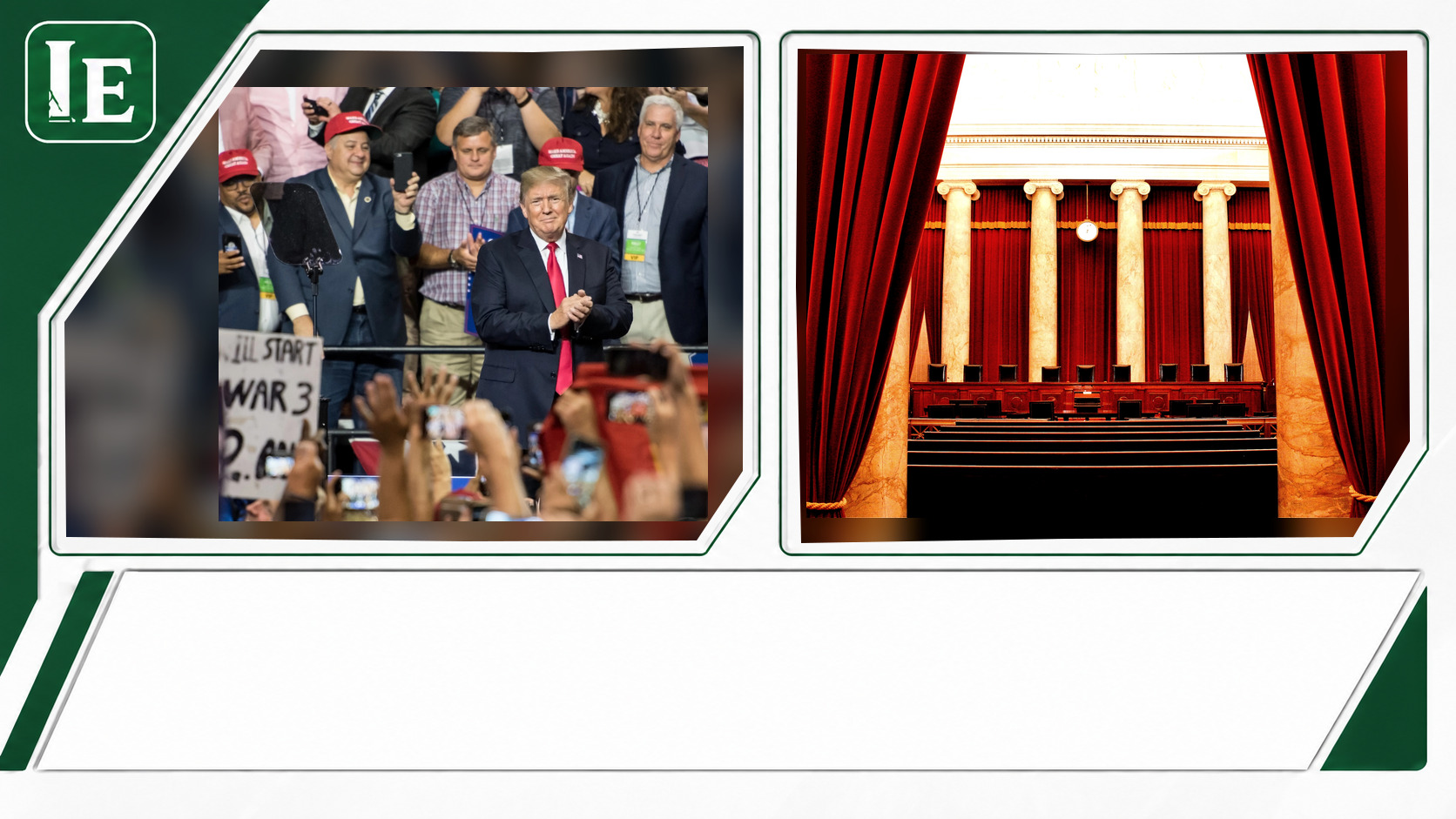
The court did not decide whether President Donald Trump’s mail-voting restrictions are legal. Its procedural ruling has intensified a fight over state authority, federal power and how close election rules can change before ballots go out.
Democratic governors and other Democratic state officials reacted after the Supreme Court issued a ruling allowing the Trump administration to move forward with restrictions on mail-in voting. Their central argument is that states run elections, not Donald Trump, while the administration says its proposed rules are intended to promote election integrity.
The Supreme Court did not decide whether President Trump’s mail-voting order is lawful. Instead, the court concluded that the states that sued lacked the legal right to bring this particular challenge, opening a route for implementation while leaving major questions about federal authority, state election control and the timing of any changes unresolved.
The court ruling was procedural
The Supreme Court’s emergency order was a significant win for the Trump administration, but it was not a final ruling on the substance of the executive order. The court’s conservative majority said the states challenging the policy did not have standing in that case.
That distinction matters. The unsigned order said its action did not mean that every federal measure used to carry out the order would necessarily be legal. Future challenges could focus on specific implementation steps, their effects on individual states or the authority the administration claims to use.
The court’s three liberal-leaning justices dissented publicly. Justice Ketanji Brown Jackson criticized the outcome as part of what she described as a troubling pattern for plaintiffs attempting to bring election-related cases.
States say election control is theirs
Democratic-led states have framed the dispute as more than a disagreement over the mechanics of mail ballots. They argue that the Constitution assigns states and Congress primary roles in running elections, leaving a president with limited room to unilaterally remake the rules.
Democratic governors’ response reflects that broader concern: a federal directive issued from Washington could affect voter-list procedures, ballot delivery and election preparation already underway at the state and local level.
Officials from 23 states and the District of Columbia sued to stop the order. Their lawyers warned that major changes close to an election could create confusion for administrators and voters alike, particularly where states have established systems for absentee and mail voting.
That is the heart of the states’ message: election administration is decentralized by design. Local and state officials print ballots, set timelines, maintain voter rolls and oversee counting under rules that can vary substantially from one state to another.
What Trump’s order seeks to do
Trump’s March executive order calls for the administration to create lists of people eligible to receive mail ballots. It also directs the U.S. Postal Service to deliver mail ballots only to people included on those lists.
Requirements released shortly before the Supreme Court action would bar the Postal Service from sending mail ballots for states that do not comply with the administration’s order, according to reporting from The Associated Press.
Federal lawyers have defended the proposal as an effort to promote election integrity before the November federal elections. A group of Republican-leaning states that supported the administration told the court that states would have input in developing the final voter lists.
Critics see a different risk. They contend that a new federal approval process could disrupt systems that states have built over years and could make mail voting harder to use, especially if the rules change after election offices have begun their normal preparation.
The calendar creates immediate pressure
Even if the administration now has more room to act, the calendar may limit what can happen before ballots are mailed. North Carolina is scheduled to send ballots to overseas and military voters on Sept. 4, and other states are expected to follow within weeks.
Election administrators typically need months, not days, to update voter databases, train staff, notify voters, coordinate with postal officials and resolve technical problems. A federal policy can be announced quickly; implementing it uniformly across separate state systems is far harder.
A Massachusetts judge had blocked the plan for the midterm elections in the states involved in one lawsuit, and later issued a separate nationwide block in another case. The administration asked that judge to lift or pause the nationwide order after the Supreme Court’s decision.
That means the high court’s ruling may not immediately produce one nationwide operational rule. Other court orders, additional lawsuits and state-specific election schedules could still determine what voters and election offices actually encounter.
Mail voting remains a partisan flashpoint
Mail balloting has been a frequent target of Trump’s political criticism. He has repeatedly alleged that the practice invites fraud, despite strong evidence that widespread fraud through mail voting is rare and despite his own use of mail voting.
Trump has also linked the proposed restrictions to preventing noncitizens from voting. Federal law already prohibits noncitizens from voting in federal elections, but the legal fight here concerns how far the executive branch can go in imposing new administrative conditions on states.
The Supreme Court has previously rejected a Trump-backed argument involving mail ballots in a separate case, ruling 5-4 that states may count ballots received after Election Day under their own rules. That decision came after full briefing and argument, unlike the emergency order now at issue.
The contrast underscores why this case is unlikely to settle the larger debate. The present order addresses who may sue and when, not the ultimate legality of the administration’s policy or the constitutional balance between Washington and the states.
The next fight is over implementation
New York Attorney General Letitia James called the ruling a setback but said it would not be the final word. Legal scholars cited by the AP similarly described the dispute as an early stage in a fast-moving series of court fights.
Democratic officials are likely to continue challenging specific restrictions as the administration seeks to apply them. The federal government, meanwhile, may argue that the Supreme Court’s standing ruling removes a major obstacle to finalizing its policy.
For voters, the most important unanswered question is practical: whether any federal changes will take effect in time to alter how mail ballots are requested, distributed or processed for the coming election. That answer may depend less on Monday’s Supreme Court order than on the next rulings from lower courts and the details of the administration’s implementation plan.
The immediate takeaway: the Supreme Court has not declared Trump’s mail-voting restrictions legal. It has allowed the administration a path forward for now, while Democratic-led states press their case that election rules cannot be rewritten from the White House.
Leave a Reply