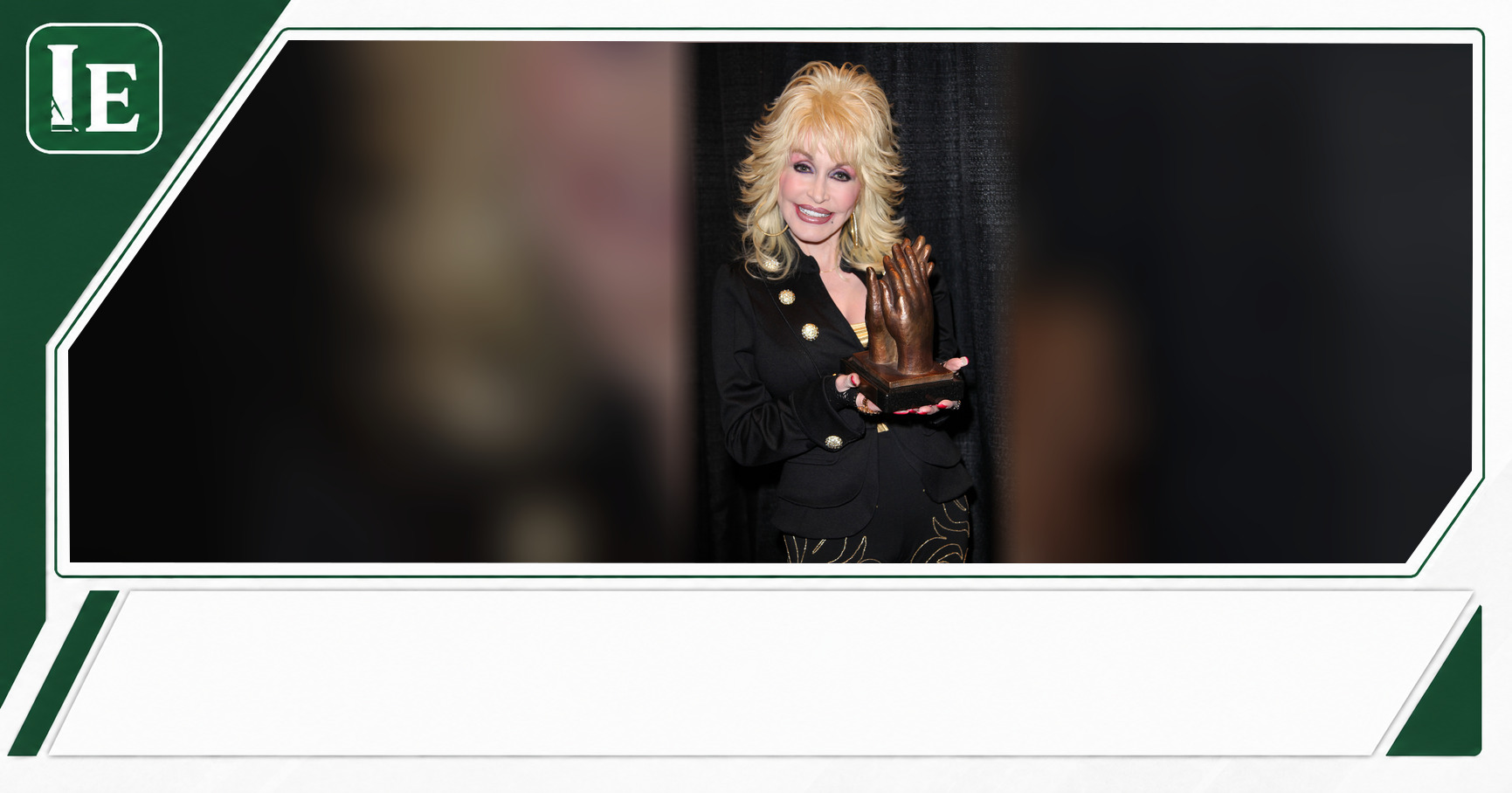
Dolly Parton’s death closes a remarkable chapter in American music, but her impact was never limited to hit records. The singer built institutions and traditions that made her a familiar presence in millions of lives.
Dolly Parton has died at age 80. Dolly Parton was a legendary country musician whose songs, philanthropy and larger-than-life public persona made her one of America’s most recognizable entertainers. Her family announced her death on Aug. 25, and representatives said she died following a brief battle with cancer.
Parton’s loss matters far beyond country music. The singer behind “Jolene” became an unusually wide-reaching cultural figure, connecting generations through records, movies, Dollywood and her Imagination Library, which has distributed hundreds of millions of books to children.
A family announcement ends speculation
Reuters reported that Parton’s family announced her death in a video posted to her official social-media accounts. Her nephew, Bryan Seaver, said the family had shared a lifetime of memories with Parton while acknowledging that fans felt they knew her, too.
USA Today reported that Parton died in Nashville, Tennessee, surrounded by loved ones at Vanderbilt-Ingram Cancer Center. Representatives told the outlet that she had been facing cancer, a diagnosis that had not previously been made public.
That confirmation followed months in which fans had noticed canceled appearances and public discussions of health concerns. Parton had spoken about undergoing treatment and managing health issues, while stressing that she was still working and responding to care.
The details now public answer the central question surrounding the news, but they do not erase the privacy that Parton and her family maintained around her final illness. No broader account of funeral arrangements or public memorial plans was included in the reports available Tuesday.
Her voice reshaped country music
Parton’s standing in country music was built on far more than a glittering image and an instantly recognizable voice. She was a songwriter whose work could be funny, wounded, romantic and unsparingly direct, often within the span of a few verses.
“Jolene,” one of her defining songs, remains a model of narrative economy: a woman pleading with a rival not to take the person she loves. Its plainspoken vulnerability helped it travel well beyond country radio, inspiring covers and new listeners across genres.
Her artistic reach also came from a rare ability to make ambition look conversational. Parton projected warmth without surrendering control of her career, and she turned an image that others might have dismissed into a source of humor, independence and business power.
For country music, her career helped widen the idea of who could become a crossover star. For pop culture more broadly, she demonstrated that sincerity and showmanship were not opposites.
The legacy was bigger than hits
Many artists are remembered through albums and awards. Parton will also be remembered through institutions that carry on practical work when the spotlight moves elsewhere.
Her Imagination Library became one of the most visible examples. The program sends free books to young children, and her representatives said it has donated hundreds of millions of books. That mission turned reading into a central part of Parton’s public identity rather than a side project attached to celebrity.
Representatives also pointed to her support for research connected to a lifesaving vaccine used around the world. The scope of her charitable work made Parton’s public legacy unusually tangible: parents have books in their homes because of it, and communities have had access to programs carrying her name and backing.
There is a useful distinction here. Celebrity philanthropy can sometimes function as branding. Parton’s giving became part of the reason audiences trusted the brand in the first place, because it was sustained, specific and closely connected to the values she talked about publicly.
Dollywood reflects her business instinct
Parton’s influence was also physical and regional. Dollywood, the Tennessee theme park associated with her name and vision, became a major part of the visitor economy in the Smoky Mountains while tying its identity to Appalachian culture and family entertainment.
The park closed on Tuesday after news of Parton’s death, USA Today reported. Its website said it would reopen Wednesday, invoking the performer’s own resilient spirit with the message that “the show must go on.”
That response captures an important tension in the days ahead. A business built around Parton’s personality must mourn its founder while continuing to serve guests and employees. The same is true of her charitable programs, music catalog and many creative ventures.
Parton spent decades proving that commercial success did not have to sever a celebrity from the place that shaped her. Dollywood became a conspicuous example of that approach: entertainment designed to draw a national audience while keeping East Tennessee central to the story.
Why the public response feels personal
The first wave of reaction to Parton’s death is likely to be especially emotional because she occupied so many roles at once. To some, she was a country singer. To others, she was a screen presence, a comic voice, a benefactor, a champion of literacy or a symbol of unapologetic self-creation.
Her appeal also crossed political and cultural lines that often divide audiences. Parton could be glamorous without seeming distant, famous without appearing inaccessible, and commercially successful without hiding the work and discipline behind it.
That public affection should not flatten her into a universally simple figure. Like any performer with a career spanning decades, she made choices that invited debate about business, image and the responsibilities of stardom. Yet even critics generally had to reckon with the scale of what she built.
Her death at 80 brings those achievements into sharper view. The music will remain the entry point for many listeners, but the fuller story is of an artist who turned a career into a long-running act of cultural and civic influence.
What remains to be announced
The family’s announcement confirmed Parton’s death, while representatives provided the reported cause and location. Further details about services, tributes and the management of her projects may emerge after the family has had time to grieve.
For now, the clearest measure of Parton’s reach is the breadth of the people grieving her: country fans, children who received her books, visitors who made Dollywood part of a family trip and listeners who found a piece of their own life in a song such as “Jolene.”
That is why the news lands as more than the death of a celebrated musician. Dolly Parton created work that was built to be shared, and much of it will continue being shared long after the immediate tributes fade.
Leave a Reply