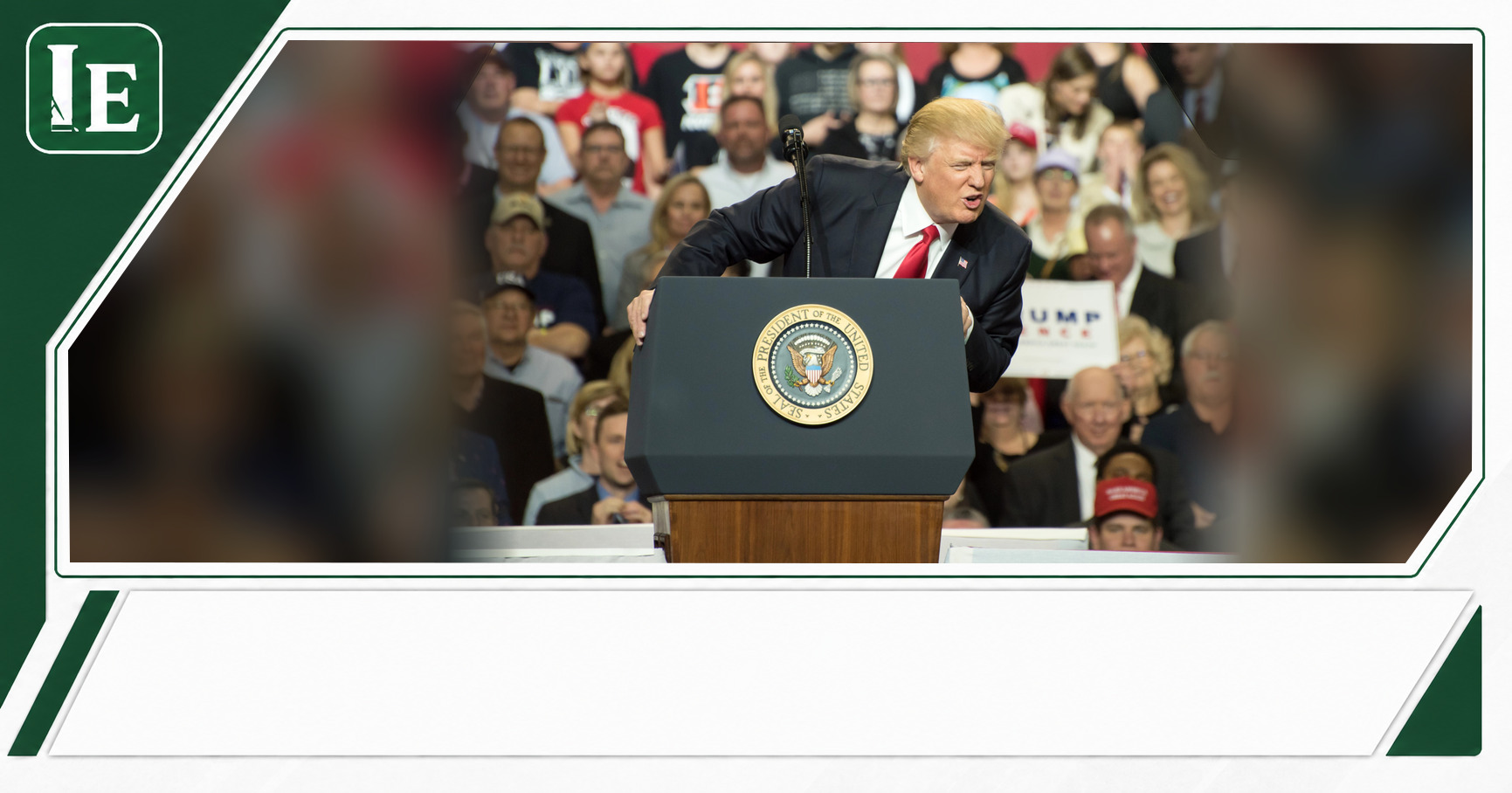
The court did not settle the underlying constitutional dispute, but its procedural decision gave the Trump administration room to pursue its mail-voting restrictions for now. That distinction is central to understanding why the ruling drew concern so close to the midterms.
Kaitlan Collins reacted with alarm to a Supreme Court ruling that concerned Donald Trump’s alleged election plot, more specifically his administration’s push to restrict mail-in voting in the United States. On CNN, Collins said the court had handed Trump a major win while stressing that the decision could create uncertainty with the midterm elections just 71 days away.
The Supreme Court did not issue a final answer on whether Trump can direct election procedures. But its temporary ruling allowed key parts of the administration’s approach to remain in place for now, turning a technical legal step into an immediate political and practical concern for states, voters and election officials.
A win, but not a final one
Collins opened her program by characterizing the order as a significant victory for Trump’s campaign against mail-in voting. The administration’s effort involves new rules touching the U.S. Postal Service and eligibility for mail ballots, according to the CNN transcript.
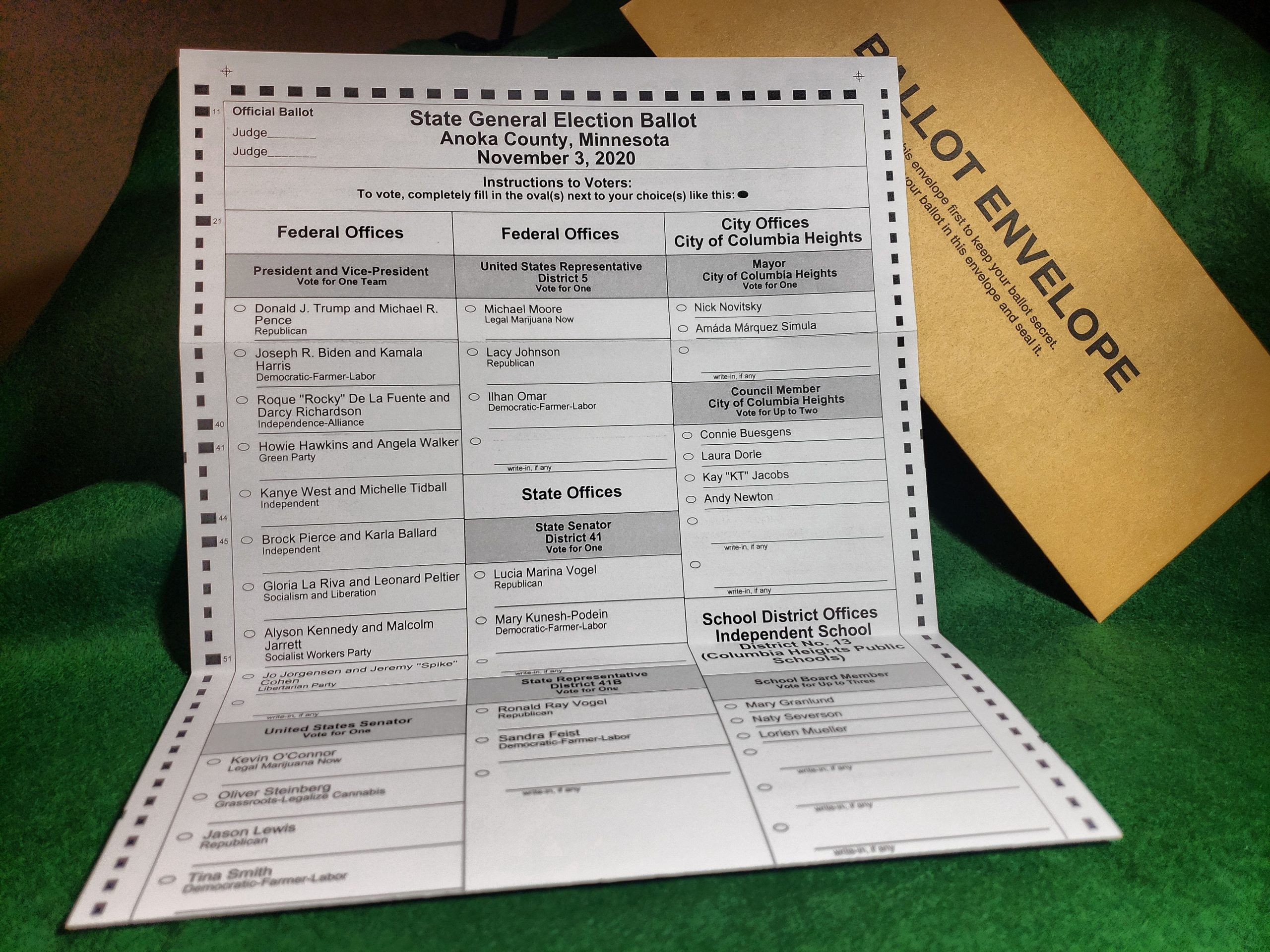
That does not mean the Supreme Court endorsed every part of the policy or resolved the broader constitutional challenge. CNN senior legal analyst Elie Honig said the justices had not decided the ultimate issue: whether a president may exercise this kind of authority over election administration.
Instead, the court acted at an earlier stage of the litigation. The states challenging the policy had not, in the court’s view, shown sufficiently concrete and immediate harm to justify the relief they sought at that point.
That procedural distinction may sound narrow, but it carries real consequences. A policy can remain effective while courts continue debating whether it is lawful, leaving officials to prepare for an election under rules that may later be changed.
Why Collins focused on the calendar
Collins’s central point was timing. She noted that the midterms were 71 days away when the ruling was issued, putting election administrators in a difficult position if requirements governing mail ballots are shifting during the final stretch of preparation.
Justice Ketanji Brown Jackson made a similar concern explicit in her dissent. Collins quoted Jackson’s warning that the decision could “needlessly inject chaos and uncertainty” into the upcoming elections.
The phrase matters because election rules are not implemented overnight. States and local jurisdictions have to communicate procedures, train workers, update voter guidance, print materials, coordinate with postal systems and respond to lawsuits. Changes or uncertainty close to Election Day can affect voters even when the legal dispute is ultimately resolved later.
Supporters of the administration’s position could argue that rules governing ballot access and verification deserve closer scrutiny, particularly where federal agencies are involved. Critics see the policy as an intrusion into state authority over elections and a potential obstacle for voters who rely on mail ballots.
The constitutional fight remains open
The unresolved legal question is larger than mail ballots. Under the Constitution, states and Congress have primary roles in setting the rules for elections. The states challenging the Trump administration argue that the executive branch cannot take over that function through presidential action.
Honig told Collins that the Supreme Court had not ruled on that argument’s merits. The court’s action, as described on the program, was based on whether the challengers had established enough specific harm at this stage, not on a definitive finding that the administration’s policy is constitutional.
Republican election lawyer Ben Ginsberg, also appearing on the program, said the president does not have constitutional authority to run state elections. He said that view is not necessarily a partisan one, because governors and election officials of both parties have historically guarded their authority to administer elections.
That produces an unusual alignment in the debate. The immediate legal victory belongs to Trump, yet the long-term argument over executive power could draw opposition from state leaders across party lines if they believe Washington is displacing their role.
Trump’s long-running mail ballot criticism
The ruling arrived against the backdrop of Trump’s repeated attacks on mail-in voting. Collins played clips in which Trump described mail ballots as corrupt and associated them with election cheating.
Those claims have been a prominent part of Trump’s political message for years, even though he has also voted by mail. Mail voting itself is used in different forms across the country, from universal vote-by-mail systems to absentee-ballot programs with varying eligibility rules and safeguards.
For election officials, the issue is less rhetorical than operational. They must decide how voters apply, how ballots are verified, what deadlines apply, and how to balance access with fraud prevention. Those details are normally governed largely by state law, which is why the challenge to federal executive involvement has become so consequential.
Calling this an “election plot,” as some coverage has, reflects the political intensity surrounding Trump’s effort. The legal dispute itself is more specific: whether the administration can impose or influence mail-voting restrictions before a court fully resolves the limits of that power.
States are preparing for the next round
Pennsylvania Gov. Josh Shapiro responded by saying that Trump does not run elections in Pennsylvania or any other state and that the administration would see the state in court. His response captures the next phase of the conflict: continued litigation rather than a settled nationwide rule.
Several questions remain unclear. The court has yet to decide the constitutional merits, the scope and practical effect of the administration’s rules may still be contested, and state-level responses could differ. More court orders could arrive as election preparations continue.
For voters, the most useful takeaway is straightforward: a Supreme Court order can matter immediately even when it is not the final word. Collins’s warning was not that the election rules had been permanently rewritten, but that uncertainty itself can shape an election when the calendar is already tight.
The coming legal fight will test both Trump’s authority and the resilience of a decentralized election system in which states run the mechanics of voting. The Supreme Court’s temporary decision gave the administration momentum; it did not end the argument over who gets to set the rules.
Leave a Reply