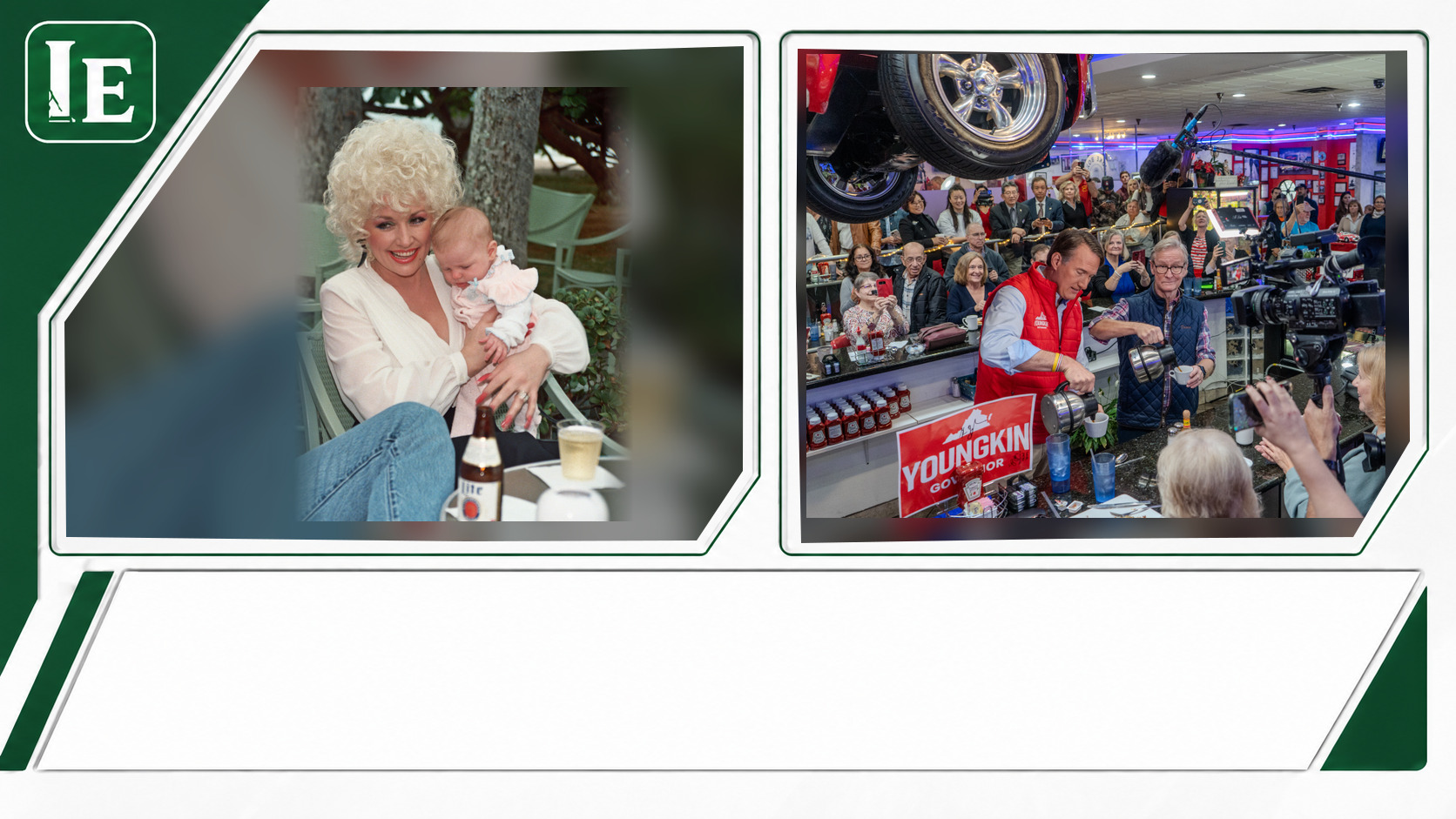
A backstage selfie request became the detail Steve Doocy says best captured Dolly Parton’s self-effacing charm. His recollection also spotlights the work ethic behind a famously warm public image.
Steve Doocy recounts his experience with Dolly Parton away from the cameras as a portrait of an entertainer whose warmth, preparation and humor extended beyond the television set. Before a live FOX & Friends segment in New York City on August 23, 2016, Doocy asked Parton for a selfie; she replied, “Why would you want a picture with little ol’ me?”
Doocy, who says he interviewed Parton about half a dozen times, remembers her as consistently on time, ready for live television and just as kind after the cameras stopped. His account offers a backstage measure of the professionalism viewers may have missed during her polished interviews.
A selfie set the tone
The exchange before that 2016 broadcast is small, but it carries the quality Doocy says defined Parton. Even at the height of a career built on global recognition, rhinestones, hit songs and a sharply recognizable persona, she answered a fan-like request with a joke that made herself the punchline.

Doocy’s response—essentially, that she was Dolly Parton—underscored the gap between her fame and the modest posture she projected in the moment. That contrast has long been central to Parton’s public appeal: an artist who made theatricality part of her brand without presenting herself as inaccessible.
Anecdotes from a television host cannot settle the full question of who any public figure was privately. They can, however, reveal what it was like to work alongside someone in settings where timing, stress and preparation are impossible to fake for long.
The unglamorous work behind live TV
Doocy’s strongest observation is not about a punchline or a photo. It is that Parton was “always on time,” prepared and professional through their interviews on FOX & Friends.
That may sound routine, but morning television leaves very little room for routine to go wrong. Guests are working around transportation, hair and makeup, publicists, production crews, breaking-news changes and a live countdown. Being ready when a segment begins is not merely courteous; it protects everyone else’s work.
Parton’s reliability, in Doocy’s telling, helped produce the spontaneity audiences associated with her. She could answer a serious question thoughtfully, he says, then pivot to an unexpected joke without making the exchange feel rehearsed.
There is a useful distinction there. A relaxed performance is not necessarily an unplanned one. Often, the ability to appear easy under pressure is the result of taking the work seriously before the audience ever sees it.
Why the persona felt believable
Parton’s public image has always embraced exaggeration: big hair, glittering costumes, a knowing Tennessee drawl and one-liners delivered with perfect timing. Yet Doocy’s remembrance argues that the person behind that presentation shared the traits audiences saw on screen—quick, funny, smart and generous.
That consistency matters because celebrity branding can feel engineered when it only exists in front of a camera. Doocy says Parton did not switch off her graciousness once the segment ended. In his account, the performance was real, but it rested on habits and instincts that were real, too.
He also describes her as a savvy businesswoman who understood both her audience and her own brand. That assessment fits the broad shape of Parton’s career, which expanded far beyond recording music into entertainment, publishing and philanthropy.
The point is not that success made her ordinary. It is that she appeared to understand how to make extraordinary success feel personal to the people around her.
A career built beyond the spotlight
Doocy’s recollection places Parton’s television skill alongside the larger scope of her work. He notes her stature as a songwriter, performer and businesswoman, as well as her book-giving efforts for children.
Her Imagination Library, founded in 1995, became one of the clearest examples of that broader mission. The program distributes free books to young children through participating communities, turning Parton’s name recognition into an ongoing literacy initiative rather than a one-time charitable gesture.
That practical approach helps explain why stories about Parton often reach beyond music fans. Her career offered several versions of success at once: hitmaking, storytelling, entrepreneurship, regional investment and philanthropy. The glamorous image drew attention, while the sustained work made the image durable.
Doocy’s account does not claim to explain every part of that legacy. It instead offers a close-range detail: the same person associated with outsized fame arrived ready to do the assignment.
Kindness is part of the story
Doocy also recalls interviewing Parton with novelist James Patterson about their 2022 collaboration, Run, Rose, Run. Later, he saw a guitar Parton had given Patterson, inscribed with a birthday message that referenced one of her best-known songs.
For Doocy, that gesture belongs with the 2016 selfie exchange and her preparation for interviews. The connecting theme is not spectacle. It is attention to other people—whether a television crew, a collaborator or a host asking for a picture moments before going live.
Celebrity tributes naturally emphasize generosity and charm, and they can flatten a complicated life into a list of virtues. Still, the specifics in Doocy’s recollection make his point more concrete than a generic compliment: punctuality, preparedness, humor and a willingness to put others at ease.
What remains after the performance
Doocy’s memory lands because it shifts the focus from what audiences already knew about Dolly Parton to what coworkers notice. Viewers saw a seasoned entertainer who could make an interview sparkle. He says the people around the production saw someone who had done the work to be there, then treated the room with respect.
That is a less flashy part of a public legacy, but it may be one of the most enduring. Talent can command attention. Reliability and kindness shape the stories people tell when there is no camera pointed at them.
For Doocy, the selfie from New York City became a reminder of that balance: a global star who could turn a routine backstage request into a self-deprecating laugh, then walk into a live segment fully prepared to deliver.
Leave a Reply