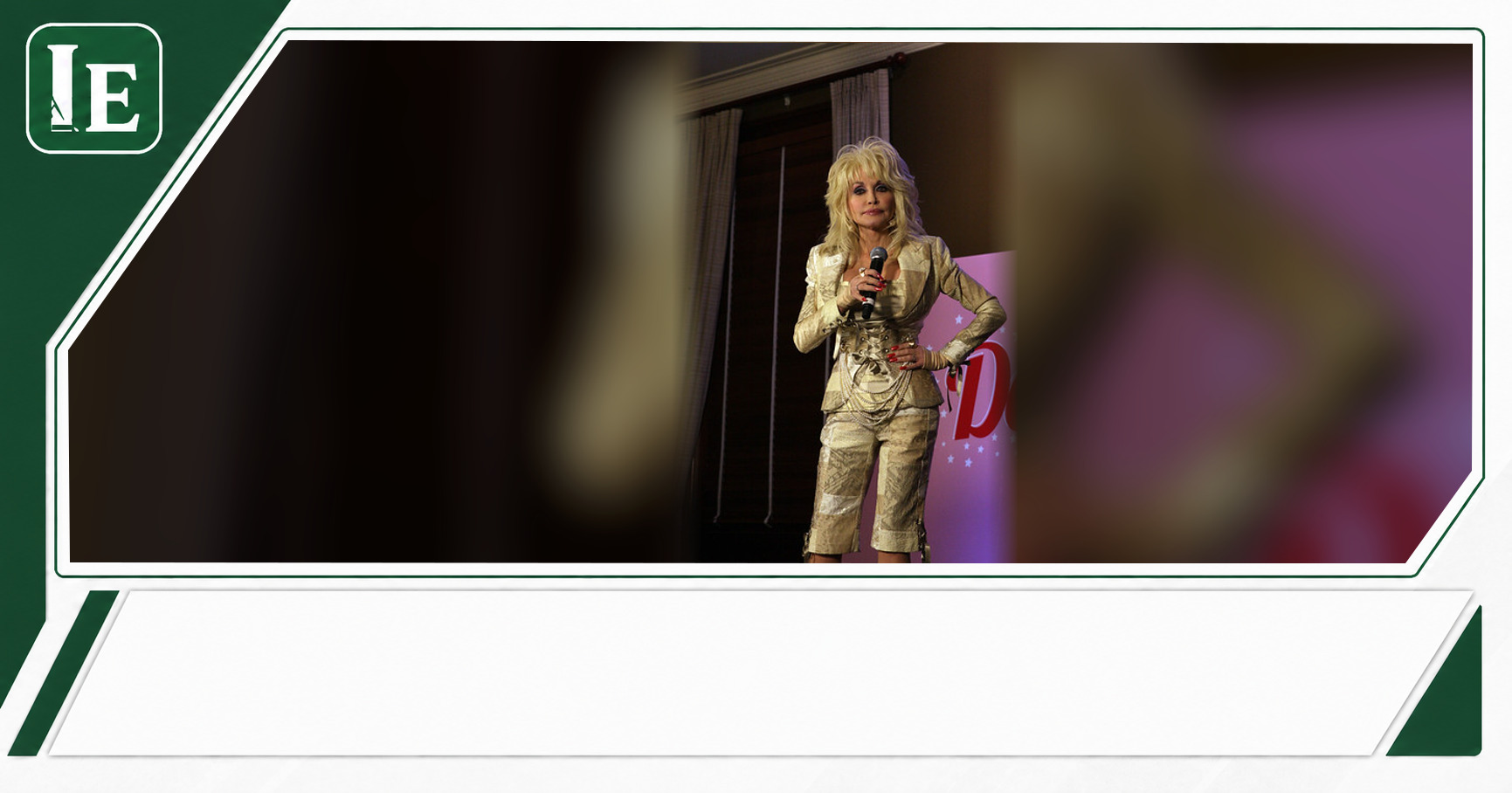
Dolly Parton’s family and representatives said the country music icon died in Nashville after a brief battle with cancer. The announcement follows months in which Parton had shared limited details about other health challenges while continuing to work.
Dolly Parton died at age 80 in Nashville after a brief battle with cancer, her family and representatives said Tuesday, Aug. 25, 2026. Her cause of death was revealed in a statement after health issues had forced Parton to cancel a planned Las Vegas residency and limit travel in recent months.
Her representatives said Parton was surrounded by loved ones when she died. The family’s announcement has prompted tributes to an artist whose career stretched from country radio to film, business and philanthropy, while leaving key details of her final illness private.
Family confirms Parton’s death
Parton’s family announced her death Tuesday, calling her a figure who brought “joy, laughter, hope and integrity” to her work and public life. Representatives later said she died in Nashville following a brief battle with cancer.

She was 80. No detailed public account of the illness, its diagnosis or its treatment timeline was provided by the family.
That distinction matters. A stated cause of death can answer the central question surrounding a loss, but it does not necessarily make a family’s private medical history public. In Parton’s case, representatives confirmed cancer while withholding specifics about the type of cancer and when she learned of the diagnosis.
What has been disclosed publicly
A spokesman said Parton had been admitted to the Vanderbilt-Ingram Cancer Center in Nashville on the Friday before her death. Beyond that, representatives did not offer additional medical details.
Reports about a celebrity’s health can quickly become a mix of confirmed facts, old interviews and speculation. The confirmed information is narrower: Parton died in Nashville after what representatives described as a brief battle with cancer, and she had recently been receiving care at the Nashville cancer center.
It remains unclear when her cancer was diagnosed, whether it was connected to previously discussed conditions, or how long she had been ill. There is no basis in the public statements to draw those connections.
Recent health concerns had surfaced
Parton had postponed a Las Vegas residency after saying she needed to remain closer to home in Tennessee for treatment. When she canceled the residency in May, she publicly described a large number of kidney stones as well as immune-system and digestive challenges.
Those disclosures gave fans a window into real health difficulties, but they did not include a cancer diagnosis. The later confirmation of her death has naturally put those earlier comments in sharper focus, even though the available statements do not establish that the issues were medically related.
Just over a week before her death, Parton also missed a scheduled Dollywood appearance. In a video played for attendees, she said she had experienced dizziness and dehydration and had been advised by doctors not to travel.
Her absence was notable because public appearances at Dollywood had long been a way for Parton to stay connected to the East Tennessee community that shaped her. Still, she framed the message in the upbeat, direct style that audiences associated with her.
She kept looking toward unfinished work
Days before her death, Parton said in a statement to People that she was focused on her health but still thinking about future projects. “I still have so many things I want to achieve,” she said, adding that she intended to keep working as long as she could.
That determination was consistent with a career marked by unusual range and endurance. Parton began recording in 1959, became one of country music’s defining singers and songwriters, crossed successfully into pop culture and Hollywood, and built businesses including Dollywood.
Her public image could make the scale of her output seem effortless: the rhinestones, humor and instantly recognizable voice were part of the appeal. Behind that image was a working songwriter and performer whose influence reached artists far outside country music.
Parton also became known for philanthropy, particularly the Imagination Library, the book-gifting program associated with her efforts to expand children’s access to reading. For admirers, the response to her death is likely to include both grief for the performer and recognition of the institutions and songs that will outlast her.
A private loss with public resonance
Parton’s death arrived after a difficult personal period. Her husband, Carl Dean, died in March 2025, and Parton had spoken about the strain of caring for him while navigating her own health concerns.
In health updates shared last fall, she tried to reassure fans with characteristic humor and optimism. “I don’t think God is through with me and I ain’t done working,” she said in one video.
Those comments now carry a different emotional weight, but they should not be treated as evidence of details her family has not shared. The public record supports a simple account: Parton had acknowledged several health problems, sought treatment close to home, and ultimately died after a brief battle with cancer.
What remains unclear after announcement
The family and representatives have not publicly released details about funeral or memorial arrangements. They also have not disclosed the type of cancer, when Parton received the diagnosis or what treatment she underwent.
Those unanswered questions may fuel interest, given Parton’s singular place in American entertainment. But the family’s statement establishes the core facts while preserving boundaries around a deeply personal illness.
For now, the clearest measure of Parton’s reach is the breadth of the response: a country superstar mourned not only for landmark recordings and a larger-than-life persona, but for a generosity and persistence that remained visible until the end of her life.
Leave a Reply