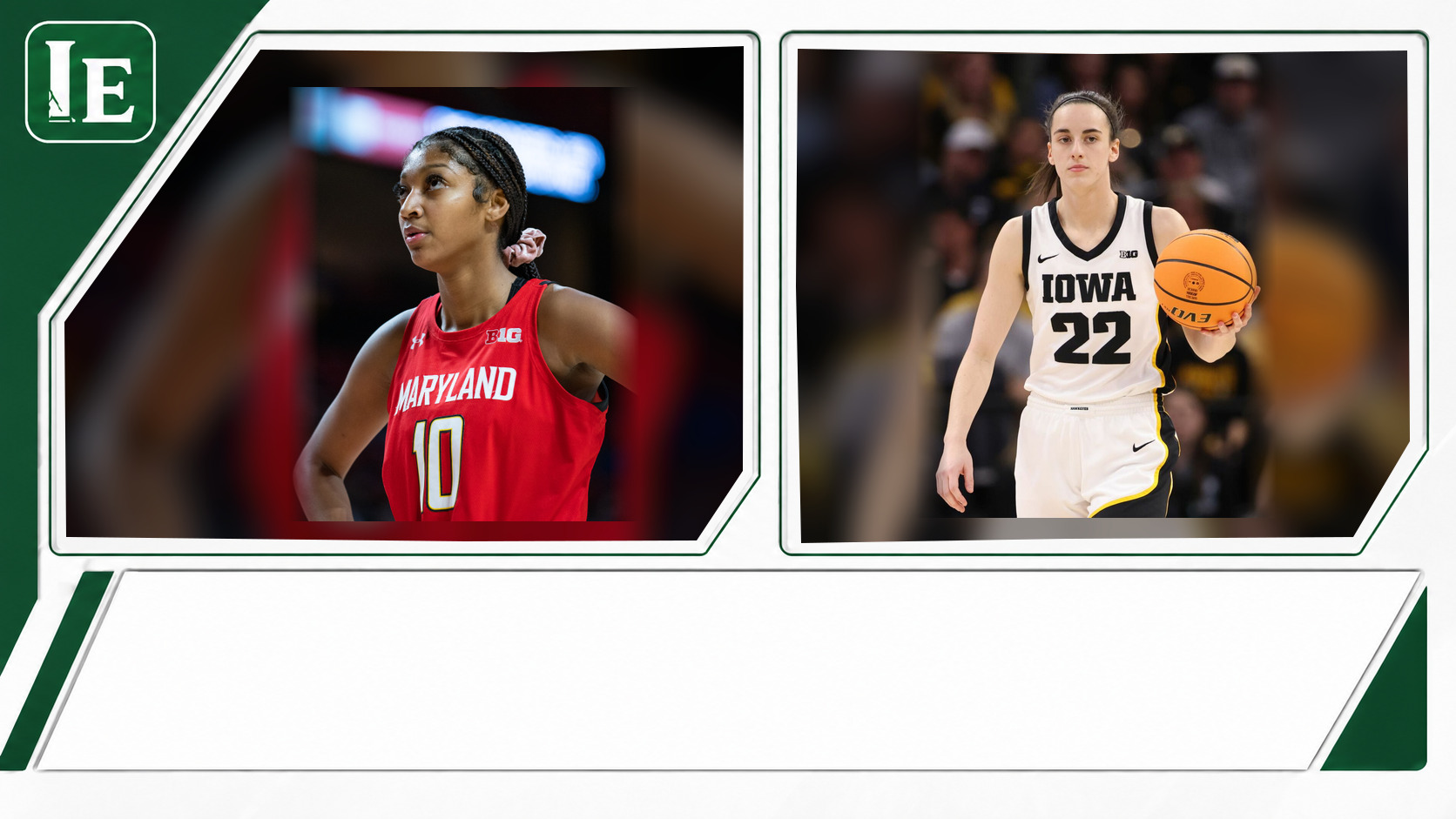
The physical sequence between Angel Reese and Caitlin Clark drew intense attention, but the game record separates the flagrant foul from the technicals that followed. Both players described the contact as part of basketball.
Angel Reese attempted to confront Caitlin Clark after the Indiana Fever’s disputed flagrant foul against the Chicago Sky in their May 17, 2025, season opener. The brief exchange, stopped when Fever teammate Aliyah Boston stepped between them, became the most scrutinized sequence of Indiana’s 93-58 win.
The attempted confrontation followed a disputed flagrant foul, but the official review, the technical fouls and the players’ comments point to a more limited account than a single viral clip can provide. Reese and Clark both later called the contact a basketball play.
A rebound set off the sequence
According to the Associated Press, the incident came with 4:38 left in the third quarter at Gainbridge Fieldhouse in Indianapolis. Reese had grabbed an offensive rebound when Clark made contact while going for the ball.
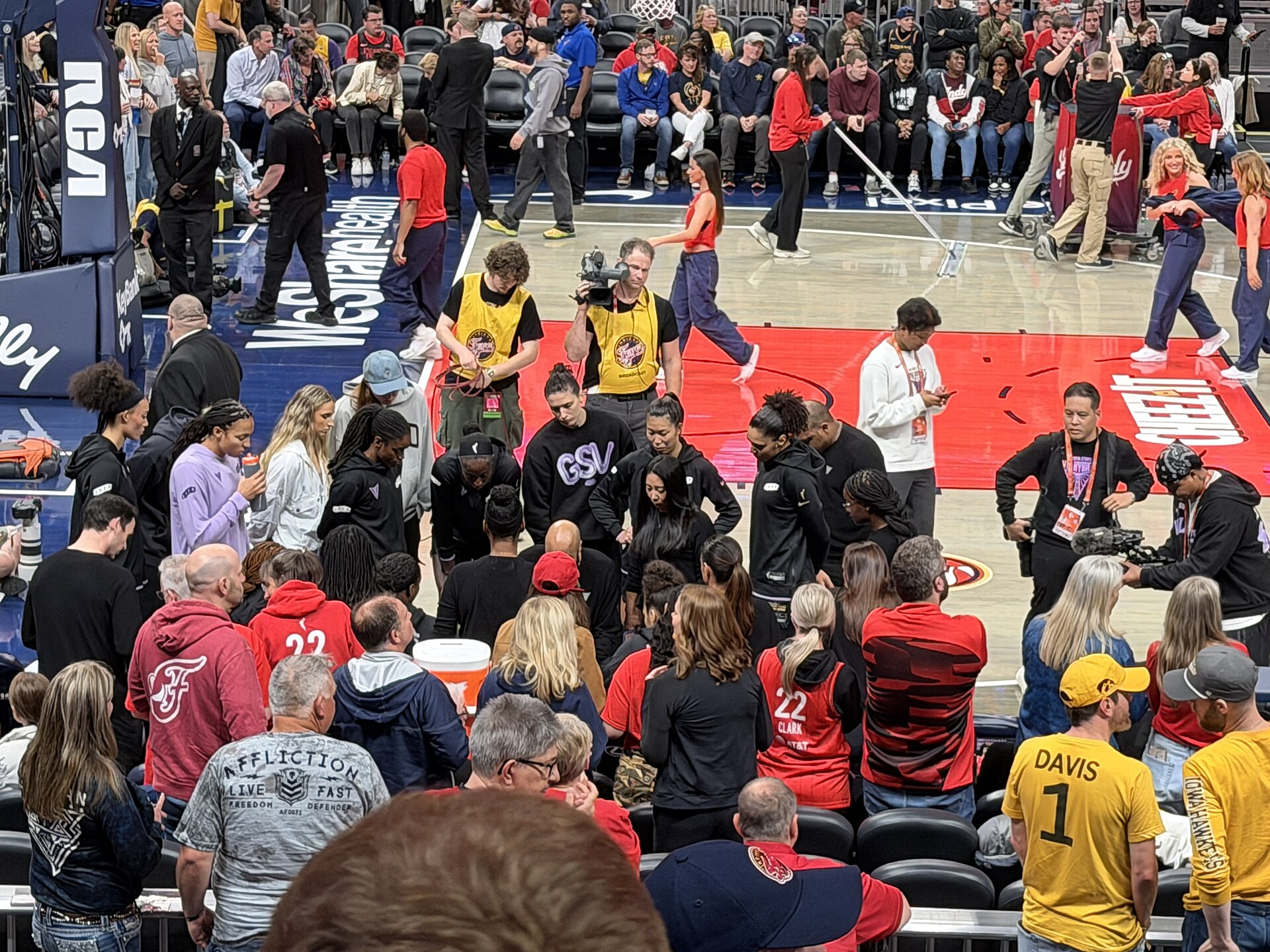
The ball came loose and Reese fell to the floor. When she got up, she moved toward Clark, and Boston stepped between the two players before the moment could develop further.
The scene was visually charged: hard contact, an immediate reaction and teammates separating two of the WNBA’s most watched stars. That combination helped the clip travel quickly, though it does not by itself establish a personal dispute between Reese and Clark.
The foul and technicals were separate
Clark’s third personal foul was reviewed and upgraded to a flagrant 1. Crew chief Roy Gulbeyan said officials determined that Clark’s extended left hand to Reese’s back was “not a legitimate basketball play” and constituted unnecessary contact under the league’s standards for windup, impact and follow-through.
That ruling addressed the contact on the play. The penalties after the whistle involved different conduct: Boston received a physical-taunt technical, while Reese received a verbal technical. Those technical fouls offset one another.
The AP corrected an earlier description to clarify that the technicals belonged to Boston and Reese, not Clark and Reese. The distinction matters because Clark was penalized through the flagrant ruling, while Boston and Reese were assessed technicals for the aftermath.
Players resisted a bigger narrative
Reese finished the game with 12 points and 17 rebounds. In her postgame comments, she called the play “a basketball play” and did not expand when asked again.
Clark also said she had been trying to make a play on the ball and was not attempting to be malicious. She acknowledged that the decision to upgrade the foul belonged to the officials.
Indiana coach Stephanie White said she similarly viewed Clark as making a play on the ball. The officiating crew reached a different judgment under the rulebook, leaving room for disagreement about the foul without turning the players’ exchange into a personal accusation.
The rivalry makes every moment bigger
Reese and Clark entered the WNBA with a high-profile college history. Reese led LSU over Clark’s Iowa team, 102-85, in the 2023 NCAA championship game.
Clark and Iowa won their 2024 rematch, which drew 12.3 million television viewers, according to the AP. Their move to the WNBA carried that existing attention into every Fever-Sky meeting.
Indiana won three of the teams’ four matchups in the 2024 season, games that also featured physical play. That history can make an ordinary collision seem loaded before officials even make a call.
There is another view worth considering: players who rebound, defend and attack the basket will have forceful exchanges. Reading every physical play as proof of a feud can flatten the basketball context and obscure the specific ruling that was actually made.
Indiana answered on the court
The flagrant sequence briefly gave Chicago an opening. Reese missed the first free throw, made the second, and the Sky scored on the ensuing possession to cut Indiana’s lead to 56-45.
The Fever responded with nine straight points to end the third quarter. Chicago did not get closer than 18 points again as Indiana pulled away.
Clark finished with 20 points, 10 rebounds and 10 assists, along with a career-high four blocks. The triple-double was her third in the WNBA.
Reese’s 17 rebounds remained a significant part of Chicago’s effort despite the lopsided score. The confrontation became the dominant discussion point, but it was only one passage in a game decided by Indiana’s sustained response and late control.
What the record does establish
The documented sequence is clear: Clark’s foul was upgraded after review, Reese moved toward her after getting up, Boston intervened, and technical fouls were assessed to Boston and Reese. Officials deemed the contact unnecessary, while Clark, Reese and White each framed the underlying play as basketball.
What remains less certain is how much broader meaning should be assigned to one emotional response in a physical game. The official decision settled the call; it did not settle the larger debate around a matchup that already commands extraordinary attention.
That tension is likely to follow future Reese-Clark meetings. For this opener, the final score and the postgame comments offer an important counterweight to the most replayed seconds.
Leave a Reply