One state delivered a clear verdict on how its highest court should be chosen. Another was left waiting for a winner in a closely watched Senate contest, underscoring how differently primary-night results can shape the road to November.
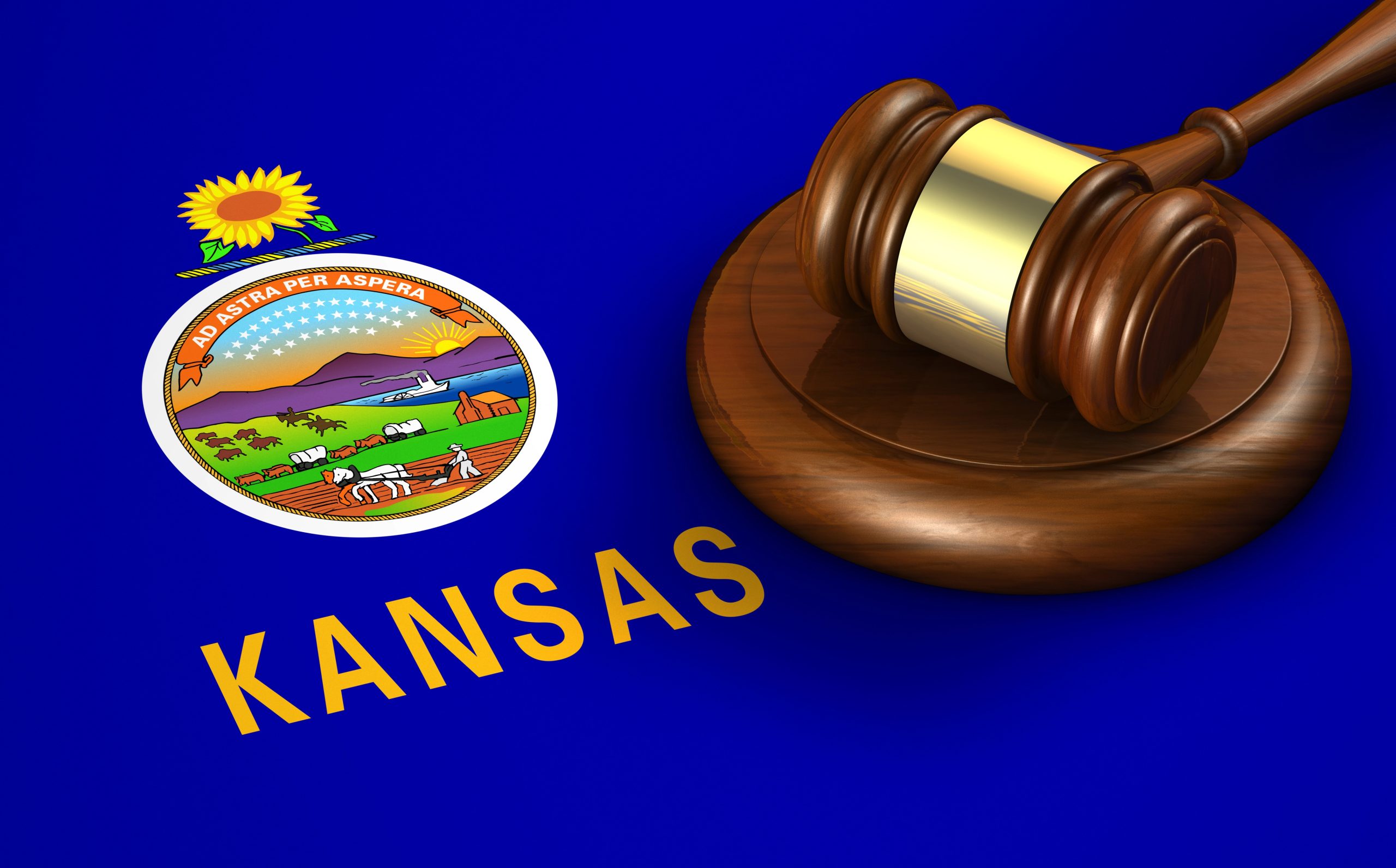
Kansas voters rejected a Republican-backed plan to elect Kansas Supreme Court justices on August 4, 2026, while Michigan’s Democratic Senate primary remained too close to call as of midnight. The two results from the same primary night produced sharply different signals: Kansas settled a consequential fight over its courts, while a battleground Senate contest remained unresolved.
The contrast matters because the Michigan race could affect the next stage of a nationally watched campaign, and the Kansas vote preserved a judicial-selection system that places a nominating commission between candidates and the state’s highest court.
Kansas delivered the clearer verdict
Kansas voters rejected a Republican-backed constitutional amendment that would have changed how justices reach the Kansas Supreme Court. According to the Kansas Secretary of State’s ballot language, the proposal would have given citizens the right to elect the justices directly.
The amendment would have set six-year terms and phased in elections for different seats beginning in 2028, 2030 and 2032. It also would have abolished the Kansas Supreme Court nominating commission, according to the official explanatory statement.
Instead, voters retained the existing process. The commission screens candidates and sends the governor a list of three nominees for a vacancy; the governor selects from that list, and justices later stand in retention elections rather than running against opponents in contested races.
The vote centered on court independence
The ballot question went beyond the mechanics of filling vacancies. It captured a broader dispute over whether state supreme court justices should be accountable through direct elections or insulated from campaign politics through nomination and appointment.
Supporters of judicial elections argue that voters should directly choose judges who interpret state constitutions and decide major public questions. The official explanation of a yes vote stressed the right of Kansas citizens to elect justices.
The system preserved by the no vote puts an independent nominating commission between political campaigns and the court. Supporters of that structure often argue that it reduces direct political pressure on judges, while critics see commissions as too removed from voters.
Kansas voters resolved the immediate proposal, but not the wider argument. State supreme courts increasingly sit at the center of disputes involving abortion, voting rules, education funding, executive authority and redistricting.
Michigan still awaited a nominee
Michigan offered the opposite kind of result. The state’s contentious Democratic primary for a battleground U.S. Senate seat was still too close to call as of midnight after the Aug. 4 primaries, according to The Washington Post.
The reporting available at that point did not provide a winner or final margin. That leaves a narrow but important conclusion: Michigan Democrats did not have a quick resolution in one of the cycle’s closely watched Senate contests.
In a battleground state, a delayed result can complicate the usual transition from a primary campaign to a general-election campaign. The eventual winner will need to bring together primary voters, raise money and appeal to a broader statewide electorate where relatively small shifts can matter.
A close primary can cut both ways
A tight Senate primary may indicate energy and engagement within a party. It can also expose divisions, consume resources and delay the effort to define the general-election contest.
That is why Michigan’s unresolved result has relevance beyond the state. Competitive Senate seats can shape the balance of power in Washington, and national parties, donors and outside groups often move quickly once a nominee is known.
Until the contest is called, however, the general-election picture remains incomplete. The available reporting does not establish how large the eventual margin will be, what turnout looked like or which parts of the state and voter groups drove the outcome.
One primary night, no single message
Michigan and Kansas were among several states voting that night, alongside Virginia, Missouri and Washington state. The Washington Post also reported that Rep. Wesley Ball of Missouri survived a primary challenge, while Rep. Shri Thanedar of Michigan was in a close race with his opponent.
Those outcomes point to uneven pressure on incumbents and candidates across the 2026 cycle. Some survived challenges, some contests stayed tight, and Kansas voters rejected a change to a major state institution.
It would be a mistake to treat the results as one national verdict. Kansas voters made a definite choice about the structure of their judiciary; Michigan’s Democratic voters left a major Senate decision unsettled, at least in the reporting available as of midnight.
The immediate takeaway is practical. Primary ballots can decide far more than nominees: they can preserve or remake the rules governing state courts, affect how quickly parties unify and influence where political attention and money go next.
Key details remain to be seen
Michigan’s most immediate unanswered question is when the Democratic primary will be called and what the final result will show. Final margins, geographic patterns and turnout data could shape how party strategists interpret the contest.
In Kansas, the ballot outcome is settled, but debate over judicial selection is likely to continue. Republican-backed efforts to change how judges are chosen have emerged in multiple states over time, and the state’s vote keeps Kansas part of that broader conversation.
For now, the Aug. 4 primaries left two distinct political facts: Kansas voters chose to keep their existing Supreme Court selection process, and Michigan’s key Democratic Senate primary remained uncalled.
Leave a Reply