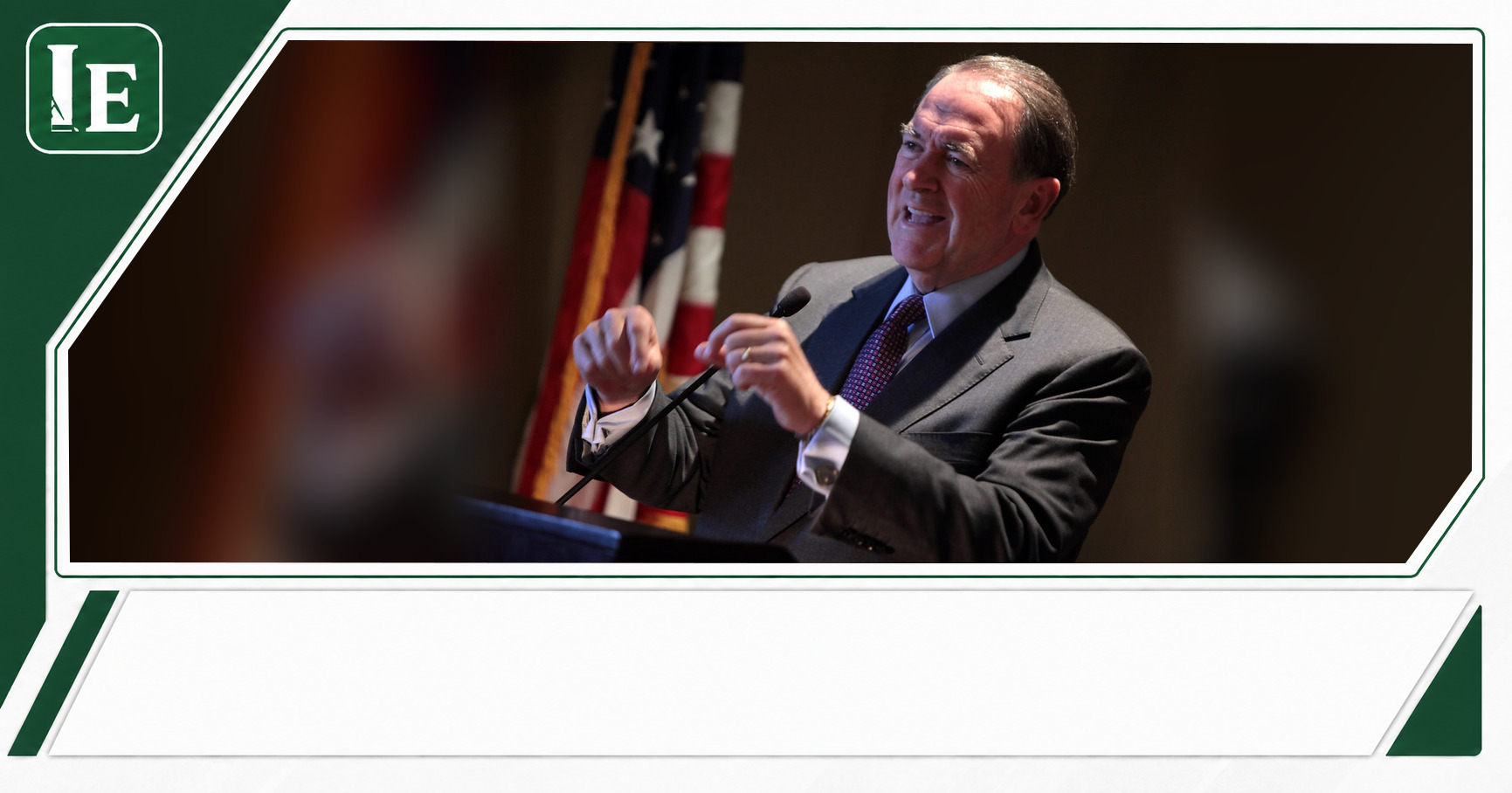
The unusually blunt language from a U.S. ambassador highlights the mounting pressure around settler violence in the occupied West Bank. For families in Qusra, the immediate question is whether military intervention will lead to lasting protection.
Israeli settlers besieged Palestinian homes in the West Bank town of Qusra for five nights, according to residents, blocking families from leaving and disrupting water and electricity. U.S. Ambassador Mike Huckabee called the siege a “horrific act of terror,” an unusually sharp public rebuke from a diplomat closely associated with support for Israeli settlements.
The immediate crisis remains unsettled. Israeli troops intervened, declared Qusra a closed military zone and said they dismantled illegal outposts, but residents said settlers returned and that families still faced uncertainty over supplies, access and the security of their homes.
Five nights around three homes
The confrontation centered on three homes on the outskirts of Qusra, a Palestinian town in the northern occupied West Bank. Dozens of Israeli settlers arrived on a Sunday, residents told The Associated Press, then surrounded the homes, blocked doors and erected tents nearby.
Qusai Abu Rida said he was inside one of the homes with his teenage son when water and electricity were cut. The family relied on well water while his brother, an Ohio resident who owns the house, followed events through security-camera footage and tried to get updates from afar.
For residents, the word “siege” describes more than a threatening presence outside. It means being unable to leave safely, obtain food and water normally, or know when basic utilities could be cut again. That is why the dispute has drawn attention beyond a single village confrontation.
Huckabee’s language broke the pattern
Huckabee said the actions were intended to “intimidate and harass” the family and described them as disgusting. His decision to call those responsible “terrorists” stood out because U.S. officials have generally used that term for Palestinian militant groups rather than Israeli settlers accused of violence.
The ambassador said the U.S. Embassy had been coordinating with Israeli military and police authorities. The statement did not announce a specific U.S. policy change or sanction, but it publicly placed the episode in a category of conduct Washington says it finds intolerable.
That matters because Huckabee has long supported Israeli settlements, and President Donald Trump’s administration has taken positions viewed as strongly favorable to the settlement movement. During Trump’s first term, the administration signaled broad acceptance of settlements. At the start of his second term, it lifted Biden-era sanctions on settlers accused of violence.
The rebuke therefore creates a clear distinction: support for settlements does not amount to public acceptance of violence or intimidation against Palestinian civilians. How firmly that distinction is enforced on the ground remains the larger test.
Israeli military action has not ended fears
Israel’s military condemned the Qusra siege as “illegal, reprehensible, and unacceptable” on Tuesday and declared the area a closed military zone. The following day, village video showed settlers returning, attempting to block a road with rocks and clashing with Israeli soldiers, according to the AP report.
On Thursday, the military said it had dismantled two illegal outposts in Qusra and a nearby village, detained one Israeli and sent additional soldiers for defensive missions and patrols. It also said it had checked on the families and found they had basic food and water supplies on Wednesday.
Residents offered a more troubling account. Loui Ridi, the Ohio-based homeowner, said settlers repeatedly came back after military interventions. He said that even after water and electricity were reconnected, settlers cut the lines again.
Qusra Mayor Abdel Azim Wadi said Israeli forces had evacuated more than a dozen homes so troops could take positions in the village. Abu Rida said families were told they had 30 minutes to leave their homes and gather in one of the besieged houses. The military said soldiers had been instructed to allow families to remain at home, but residents said they had not yet returned.
Qusra reflects a wider West Bank crisis
The episode comes amid a broader rise in settler violence and settlement expansion in the West Bank, territory Israel captured in the 1967 war and which Palestinians seek as the core of a future state. Most of the international community considers Israeli settlements there illegal, while Israel disputes that position.
The United Nations humanitarian office said in April that it had recorded more settler attacks in Qusra than in any other West Bank community in 2026. The town has seen repeated violence: a 25-year-old resident was shot and killed by an off-duty Israeli reservist in March, according to the U.N., and eight other people were wounded in attacks.
Last month, violence in a nearby northern West Bank village killed two Israelis and four Palestinians. In the aftermath, a mosque in Qusra was set on fire and the Hebrew word for “revenge” was painted on its wall, the AP reported.
Israeli officials and Palestinian authorities sharply differ over the wider conflict and how deaths should be categorized. The Palestinian Authority Health Ministry said 87 Palestinians had been killed by Israeli settlers and soldiers this year. Israel says some people killed were involved in terrorism, a term it applies broadly, including to militant attacks and rock-throwing.
Political pressure is building
Prime Minister Benjamin Netanyahu’s government has promoted settlement construction and includes ultranationalist partners who support a stronger Israeli claim to the West Bank. On the same day as Huckabee’s remarks, Cabinet members attended a ceremony celebrating the rebuilding of a settlement dismantled in 2005.
Defense Minister Israel Katz said at that event that “the era of withdrawals and expulsions has ended” and that an era of construction and Zionism was beginning. The contrast with the events in Qusra illustrates the political fault line: Israeli leaders may champion settlement growth while the military and U.S. officials condemn particular acts by settlers.
For Netanyahu, sharper criticism from Washington could complicate a relationship with Israel’s closest ally as he seeks support from ultranationalist voters ahead of an October election. Yet a diplomatic rebuke alone does not resolve the question facing Qusra’s residents: whether authorities can keep settlers away long enough for families to live normally and safely.
What remains unresolved in Qusra
The principal unanswered issue is whether the military presence will produce durable protection. Residents say removing settlers from one spot has not prevented them from regrouping nearby and returning once troops move away.
There is also no clear public timetable for families to resume secure access to all of their homes, roads, water and electricity. The accounts from residents and the military agree that troops have intervened; they diverge over whether those steps have actually restored normal conditions.
Huckabee’s condemnation is significant because it gives the Qusra siege unusual visibility in U.S.-Israel relations. Its practical weight will be measured not by the force of the wording, but by whether the families who endured the five-night standoff can remain in their homes without another return of the siege.
Leave a Reply