
The fight over a pied-à-terre tax has shifted from who should pay more to how much personal property information government should make easy to search. Critics say the release crossed a line; supporters of disclosure can point to transparency around tax policy.
Zohran Mamdani’s administration published a database of wealthy New Yorkers’ names and addresses in New York City, tying the release to a proposed tax on second homes and pied-à-terre properties. Critics accused the move of doxxing and raised privacy and safety concerns because thousands of second-home owners and related property records were reportedly made searchable.
The immediate backlash is not just about whether luxury property owners should pay more. It is about whether government turns ordinary public records into something more exposing when it gathers them, labels them and makes them easy to search.
The data became the flashpoint
Mamdani’s tax pitch was built around a familiar New York argument: owners of high-value non-primary homes should contribute more to the city’s public needs. Supporters of pied-à-terre taxes often frame them as a way to capture revenue from people who can afford extra homes in one of the country’s most expensive housing markets.
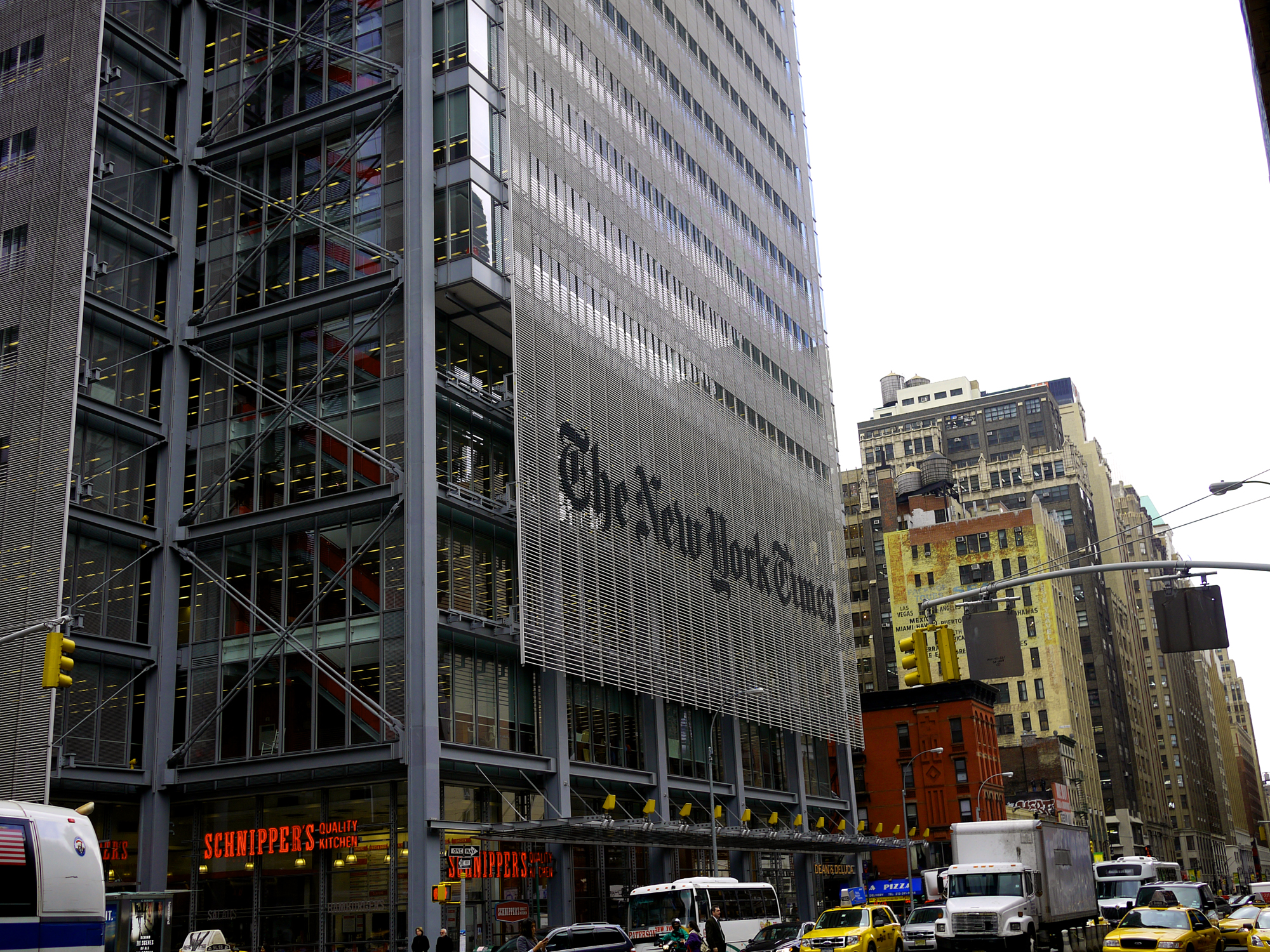
But the rollout drew a different kind of criticism after reports said New York City finance officials made searchable information connected to owners of properties that could be affected by the tax. According to The Western Journal, citing reporting from the New York Post, the city’s Department of Finance published a database that included names and addresses tied to those properties.
Republican Council Minority Leader David Carr of Staten Island called the release a “reckless and foolish move,” according to the report. That phrase helped define the criticism: opponents were not only challenging the tax, they were arguing that identifiable people had been exposed.
The result is a political problem for Mamdani. A proposal intended to focus on fairness and revenue has become a debate over privacy, safety and the limits of searchable government data.
The numbers do not line up
One reason the controversy has grown is that the reported scope of the database and the apparent scope of the tax are not easy to reconcile from the available accounts.
The Western Journal’s account said the Post described the database as covering unoccupied, non-primary residences worth more than $1 million. Mamdani’s own social media message, however, referred to second homes worth more than $5 million receiving notification letters.
That difference changes how the public hears the policy. A tax focused on homes worth more than $5 million sounds like a narrow levy on the very wealthy. A searchable database that appears to involve a much larger group of residences and individuals raises broader concerns about who was included and why.
Crain’s New York Business was cited as estimating that the luxury tax would affect roughly 31,000 properties. The Post, according to The Western Journal, counted more than 960,000 residences and individuals potentially subject to the tax. It remains unclear from the available reports how many entries were actual tax targets, how many were associated records and how the database defined potential exposure.
Public record or doxxing claim
The word “doxxing” is central to the backlash, but the issue is not simple. Property information is often public in some form. Names of owners, mailing addresses, deeds and assessed values can be available through government systems or real estate records.
Critics argue that public availability is not the same as packaging names and addresses into a searchable list tied to a politically charged tax category. A record that requires effort to find can feel different from a government-created tool that places people in a defined group of “wealthy” second-home owners.
That is the heart of the accusation against Mamdani’s administration. Opponents say the release went beyond transparency and effectively singled out affluent property owners at a time when anger over housing costs, vacant luxury units and inequality is already intense in New York.
There is also a transparency argument on the other side. If a city is creating or enforcing a new tax, residents may have an interest in understanding which properties qualify, whether the rules are being applied consistently and how broad the policy really is. The unresolved question is whether that public interest required publishing names and addresses in searchable form.
Safety fears widened the fight
Privacy concerns became sharper because critics linked the database to personal safety risks. They argued that property owners could face harassment, burglary or other threats if their identities and addresses were made easier to find.
The Western Journal’s commentary explicitly connected those fears to the December 2024 killing of UnitedHealthcare CEO Brian Thompson in New York City, presenting it as part of a broader climate of concern around targeting executives and affluent people. That comparison is politically charged, but it helps explain why the database touched such a sensitive nerve.
Steve Fulop, identified in the report as a nonprofit business executive, argued that many people on the list “aren’t billionaires” but people who bought a second home in the city. He said the release made people feel “less safe” and “less welcome” in New York.
Carr also warned that the policy could hurt the luxury home market and shift real estate activity to states such as Florida and Texas. That is a long-running argument against higher taxes in New York, but the database controversy adds a new complaint: owners may feel not only taxed, but publicly targeted.
Mamdani’s fairness message
Mamdani’s public case, as quoted in the report, was about shared responsibility and city services. In a post on X, he told owners of luxury second homes to “check your mailbox” and said the city had sent notification letters about the incoming pied-à-terre tax.
“The best city in the world deserves the best parks, libraries, and schools in the world,” Mamdani wrote, according to the report. “That’s only possible when we all pay our fair share.”
That message captures why pied-à-terre taxes can have political appeal. They are aimed at people with second homes in a city where many residents struggle with rent, and the revenue can be presented as support for services that benefit the public.
The weakness is execution. A tax framed as making wealthy owners contribute more can quickly become a story about government overreach if the people affected believe their personal information has been displayed in a punitive way.
What officials still need to explain
The unanswered questions are practical. Who exactly appeared in the database? Were all listed owners actually subject to the tax? Was the information already available in the same format elsewhere, or did the city create a new searchable tool that changed the risk?
If officials conclude the database went too far, the possible remedies could include narrowing the list, removing names, redacting addresses, limiting search functions or providing parcel-level tax information without personal identifiers. Each option would protect privacy differently, but each would also reduce transparency.
The fight points to a larger challenge for cities considering wealth taxes, vacancy taxes and luxury real estate levies. Enforcement requires data. Public confidence requires restraint. When those goals collide, even a popular-sounding tax can become a privacy controversy.
For Mamdani, the political fallout may depend on whether his administration can justify the database’s scope and address safety concerns without abandoning the tax argument. For New York property owners, the lasting question is whether being potentially covered by a tax should also mean being placed on a list that anyone can search.
Leave a Reply