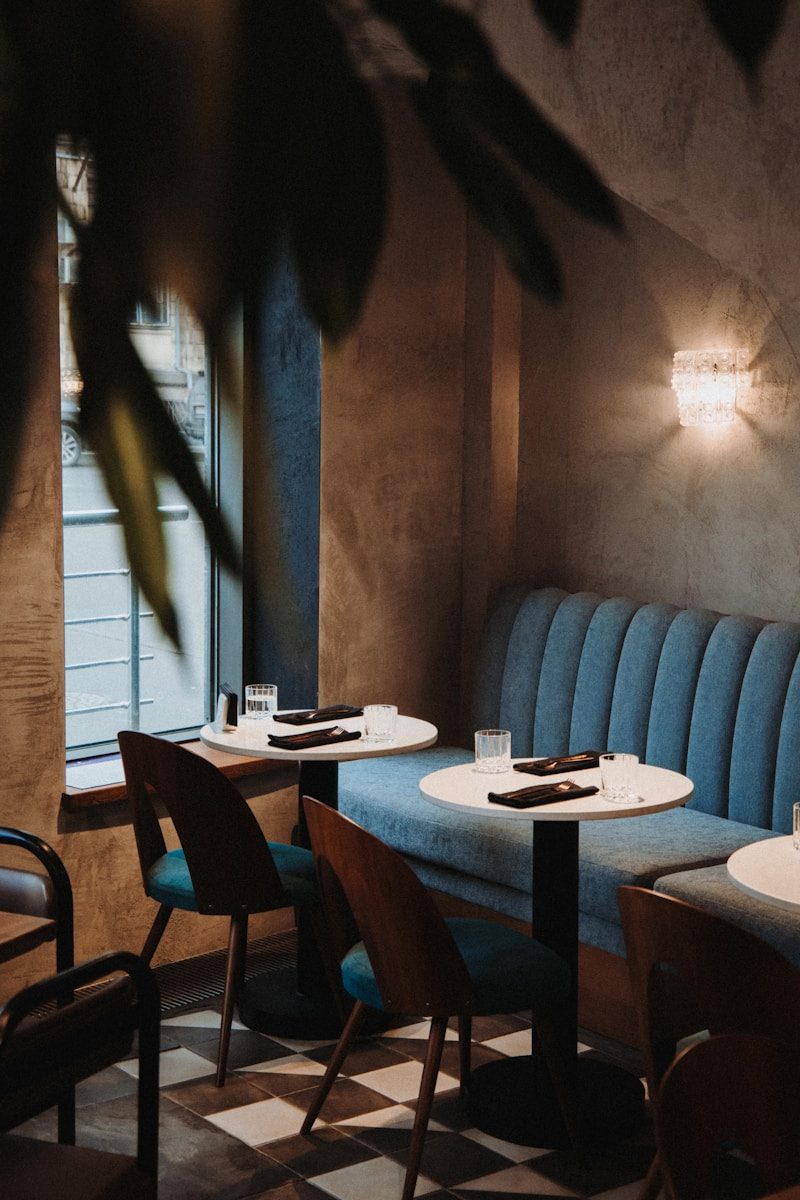
The customer says she and her boyfriend were singled out after sharing a drink at their table. Diablos Tacos & Mezcalería had not responded to a request for comment cited in the original report.
An Arkansas woman says she ordered an alcoholic drink at Diablos Tacos & Mezcalería in Little Rock, then her boyfriend took a sip while they sat at their table. She alleges restaurant staff took the drink and called police over the incident, and she described the experience as racist and racial profiling.
The account, posted on TikTok by user @brookecarte, has drawn sharply different reactions because the public record so far consists largely of the customer’s video and description. Diablos’ response to the allegations has not been reported.
A drink-sharing dispute escalates
According to @brookecarte’s TikTok caption, her boyfriend was also of legal drinking age and took “a couple of sips” from the drink she had purchased. She said the drink stayed at their table.
She alleged that a server she identified as Becca had been watching them, came to the table, took the drink and involved police. In footage described by The Mary Sue, the customer and server can be heard disputing why police were called.
The customer said they had already paid for their food and that the couple offered to show identification on their phones. She claimed the server declined to check those IDs and reported them for causing a disturbance.
Those are allegations from the customer’s account, not independently established findings about what the server saw, what prompted the call or whether police responded. No police report or statement from law enforcement was included in the available reporting.
Why she called it profiling
The TikToker’s accusation went beyond the drink itself. She said she and her boyfriend, whom she described as two Black customers, were watched and singled out while other diners were treated differently.
In particular, she alleged that Hispanic customers were served alcoholic drinks and allowed to leave the restaurant with them. From her perspective, the contrast made the response to her table feel less like an evenhanded enforcement decision and more like racial profiling.
“Don’t eat here. They’re very racist,” she said in the video, according to the report. She also said she would not return to the restaurant.
Claims of unequal treatment are serious, especially when a customer believes police have been called in a low-level service conflict. But a comparison between tables can be difficult to assess from a short video because viewers may not know what staff had observed, what restaurant policies applied, or whether other customers were in materially similar circumstances.
The missing account from Diablos
The key unresolved issue is the restaurant’s explanation. The Mary Sue reported that it contacted Diablos Tacos & Mezcalería for comment and did not receive a response.
Without a statement from Diablos, it is unclear whether staff believed there was an alcohol-policy issue, whether they viewed the couple’s behavior as a disturbance, whether police were actually dispatched, or what happened after the reported call.
It is also unclear whether the restaurant has a written policy on guests sharing alcoholic drinks, and if so, how employees are expected to apply it. Restaurants may set their own service standards, but consistency and communication matter when a customer is being confronted in public.
The absence of a response does not prove the customer’s allegations. It does mean the public debate is proceeding without the other side’s account of an encounter that both the customer and the restaurant staff may have experienced differently.
Viewers split over the allegation
Reaction to the video has not been uniform. Some commenters supported the TikToker and argued that calling police over a customer taking sips from a partner’s drink was an excessive escalation, particularly given the racial dynamics she described.
Others questioned whether the available footage showed evidence that race drove the interaction. Some commenters said they had also received poor service at the restaurant and were unsure whether that alone established racial discrimination.
That split reflects a larger tension in viral customer-service disputes: a video can document the emotional force of an encounter without supplying every fact needed to determine motive. The customer’s experience can be real and upsetting while the broader claim about why it happened requires more evidence than a single clip can provide.
Still, the allegation has weight because police involvement can change the stakes quickly. A disagreement that might otherwise end with a manager, a refund or a customer leaving can become frightening when someone believes law enforcement has been summoned against them.
Service rules need clear limits
Restaurants have legitimate reasons to monitor alcohol service, including safety and legal compliance. Customers also reasonably expect to be told directly and respectfully if staff believe a rule is being broken.
The practical issue raised by this episode is how employees handle a concern before it becomes a confrontation. A calm explanation of the policy, a request to verify identification where relevant, and management involvement can give everyone a chance to resolve a misunderstanding without public escalation.
For businesses, perceived inconsistency can be as damaging as an unpopular rule. If one group of customers appears to receive leniency while another is closely watched or confronted, customers may conclude that bias—not policy—is driving the decision.
For now, the incident remains an allegation made by a Little Rock customer against Diablos Tacos & Mezcalería. The unanswered questions—what staff observed, why police were called and whether the couple was treated differently from other guests—are exactly what would need to be clarified for a fuller account.
Leave a Reply