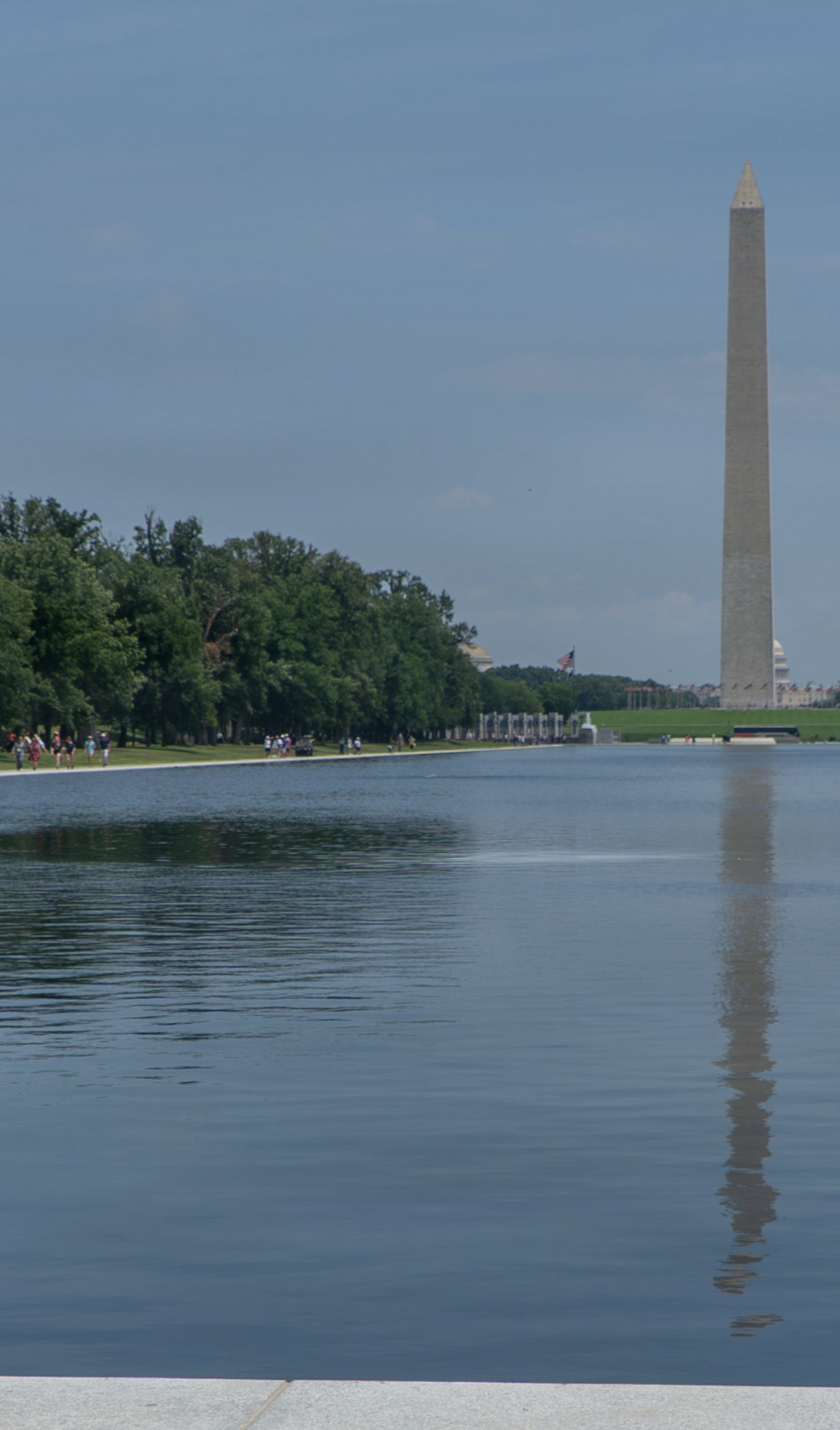
A dispute over a blue liner at one of Washington’s most recognizable landmarks has become a fight over access, accountability and whether repairs should proceed before independent experts can inspect the site.
The Trump administration has been accused of taking steps that could destroy evidence at the Lincoln Memorial Reflecting Pool in Washington, D.C., as an ongoing legal dispute over damage to the pool intensifies. The Cultural Landscape Foundation, a plaintiff in the case, asked a federal judge to let independent experts inspect the site before additional repairs alter the conditions at issue.
The allegation is significant because federal officials initially attributed visible damage to vandalism, while a later Justice Department filing said the problems most likely stemmed from a flawed installation. The case now turns partly on whether the pool can be examined before more work changes the physical evidence.
Why the inspection fight matters
The Cultural Landscape Foundation, known as TCLF, is challenging a renovation overseen by the Department of the Interior and the National Park Service. Its lawsuit argues that the project changed a defining historic feature of the Lincoln Memorial Reflecting Pool without legally required preservation review.
In a filing in U.S. District Court for the District of Columbia, TCLF said planned repair work could alter or eliminate material that might help establish why the new pool surface failed. The group is not merely seeking a look at a construction site; it wants experts to document conditions that may be central to competing explanations of the damage.
That distinction matters in litigation. Once a damaged material is removed, resealed or replaced, later experts may have less ability to assess its condition, installation and failure pattern. TCLF argues that the government should not be able to proceed with work while the plaintiffs remain unable to conduct their own inspection.
A landmark changed by renovation
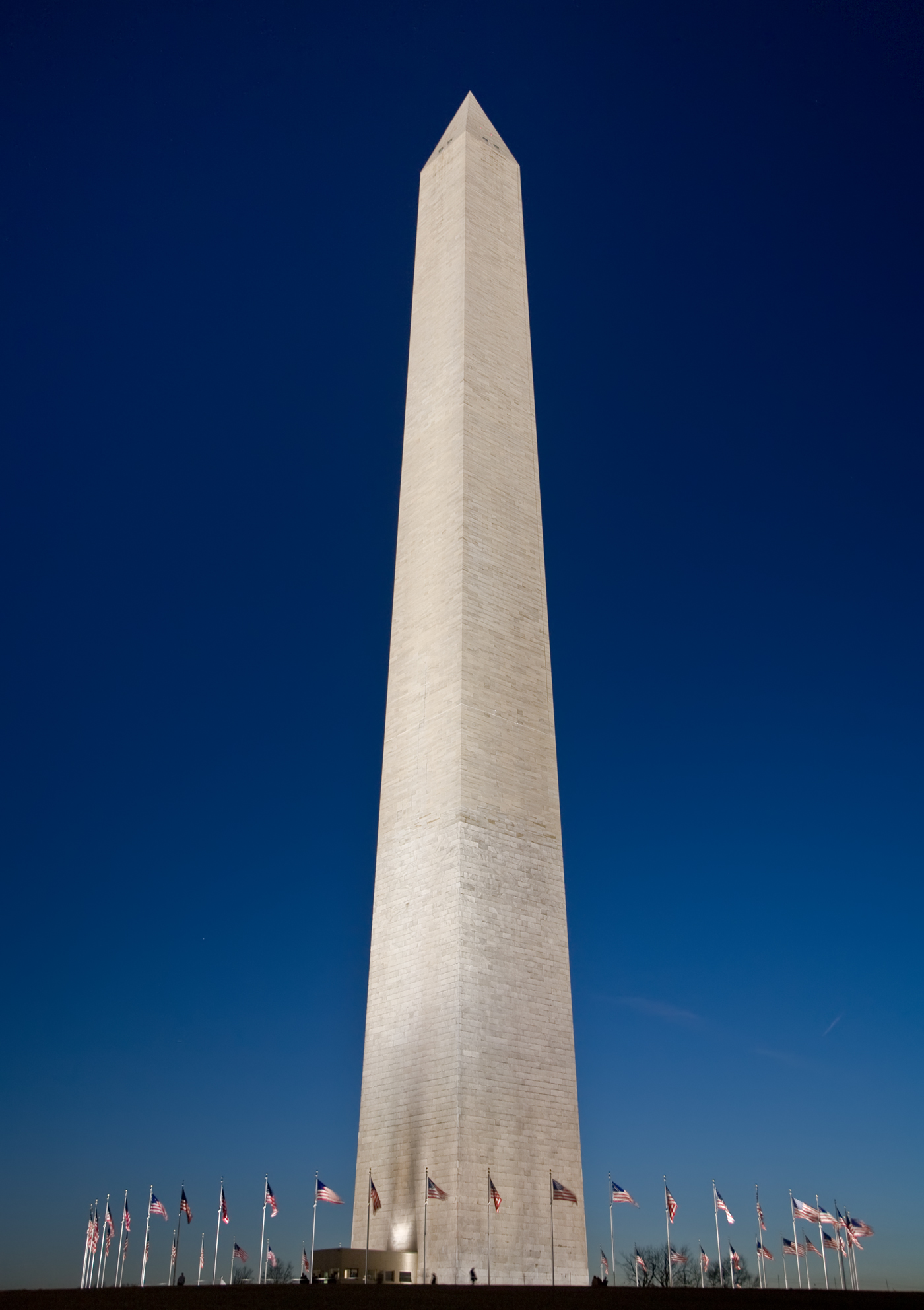
The Reflecting Pool is one of the National Mall’s most familiar visual landmarks, stretching between the Lincoln Memorial and the Washington Monument. According to TCLF’s court filings, its dark gray basin had been a key part of its design since the pool opened in 1923.
The organization sued the Interior Department in May, arguing that replacing the basin with a blue-colored synthetic liner changed the historic resource without the reviews required under federal preservation laws. Its broader case is about the process used for the renovation, not only the defects that appeared afterward.
Problems emerged after the work was substantially completed. Court filings described rapid algae growth, peeling in the new “American Blue” coating and damage involving foam sealant and delaminating surface material.
For preservation advocates, the dispute raises a wider concern: whether high-profile alterations to public landmarks receive the same scrutiny expected for less visible federal projects. The government, by contrast, has an obligation to maintain a heavily visited site and address safety or operational problems when they arise.
Vandalism claim gave way
Federal officials originally described the pool’s condition as possible vandalism. In a June 24 court filing, National Park Service Deputy Director Frank Lands said Park Police had responded after reported damage that included sealant allegedly cut with a sharp knife or razor, along with destruction of loosening surface material.
President Donald Trump also publicly blamed people using knives and razor blades for cutting and pulling up long patches of material. That account became part of the government’s early explanation for why the renovated pool looked damaged so soon after the project.
But the explanation shifted after charges were dropped against former Olympic canoeist David Hearn, who had been arrested in June and charged with property destruction. Hearn denied the allegation against him.
In seeking dismissal of the charge, Trump’s Justice Department said the liner damage resulted from flawed installation by the contractor. TCLF’s attorneys seized on that filing, saying it undercut previous representations by Interior Department officials and made independent examination of the pool more important.
What plaintiffs are alleging
TCLF’s use of the phrase “destroy evidence” is an allegation in a court fight, not a judicial finding that the Trump administration has unlawfully destroyed evidence. The group contends that officials were preparing to perform more repairs while disputing the underlying cause of the damage.
Its attorneys pointed to a declaration from a National Park Service official indicating additional work was planned. Their argument is that repairs could remove clues about whether the liner failed because of poor planning, faulty materials, installation problems, vandalism or some combination of factors.
Alexander Kristofcak, an attorney representing TCLF, said after the inspection request was denied that the group considers the project a “botched installation” and believes expert review should have occurred through the ordinary processes required by law.
The administration has its own competing practical concern. A defective surface at a major national memorial may require prompt work, and preservation of every condition exactly as it exists can conflict with repairs intended to protect the landmark or keep it usable. The available reporting does not establish what specific additional work, if any, had begun after the inspection request was denied.
The judge’s denial changes the stakes
According to Kristofcak, Judge Nichols denied TCLF’s request on August 4 to inspect the pool and collect evidence before further repairs. That ruling does not resolve the underlying preservation lawsuit or determine the cause of the damage.
It does, however, leave the plaintiffs facing a narrower path to build their factual case. They can continue to rely on court filings, photographs, official statements and other records, but they argue that those materials cannot fully substitute for direct expert examination of the liner and surrounding work.
The Department of the Interior was contacted for comment by Newsweek. No response was included in the reported account. That leaves several questions unresolved, including the scope and timing of future repairs, what preservation measures are in place and whether the parties will seek another court intervention.
A dispute bigger than blue paint
The case has become a test of how the federal government manages visible failures at an iconic public site. At issue are not only the color and durability of a new liner, but also the review process behind the renovation, the accuracy of early official explanations and the ability of outside experts to assess work paid for and managed by the government.
TCLF sees an inspection as basic accountability before the evidence changes. Federal agencies may argue that needed maintenance cannot be indefinitely halted by litigation. A court will ultimately have to weigh those interests against the preservation rules that govern a nearly century-old national landmark.
For now, the clearest fact is the unresolved conflict: the plaintiffs say repairs risk obscuring the cause of the Reflecting Pool’s damage, while the legal case over the renovation continues without the access they requested.
Leave a Reply