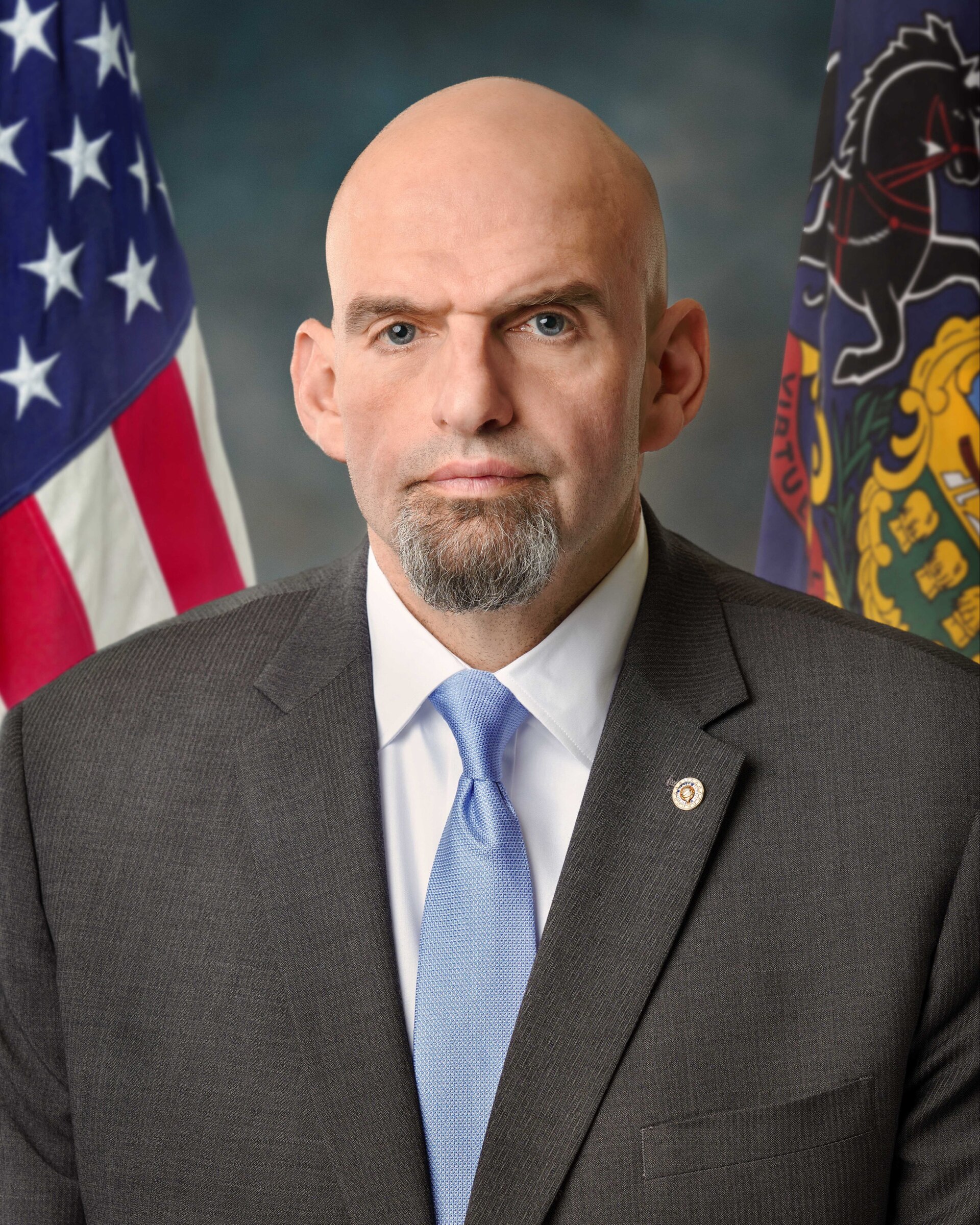
Fetterman’s position puts a clear Democratic objection on the record, but the bigger question is whether President Trump will keep Blanche’s nomination moving amid resistance from key Republicans.
John Fetterman plans to oppose Todd Blanche’s nomination to lead the Justice Department, placing the Pennsylvania Democrat on record against Blanche’s bid to become U.S. attorney general. Blanche was nominated to lead the Justice Department, and the U.S. Senate is considering the nomination at a moment when President Donald Trump has reportedly suggested he could withdraw or delay it.
Fetterman’s stance may not determine Blanche’s fate by itself. It does, however, sharpen the political and institutional questions around who should run the department responsible for federal law enforcement, criminal prosecutions and the government’s legal positions in court.
Fetterman’s opposition enters the record
The Congressional Record for Aug. 5 shows Fetterman addressing the Senate while it was considering Blanche’s nomination to serve as attorney general of the United States. The record confirms the basic development behind the announcement: Fetterman intends to oppose the nominee.
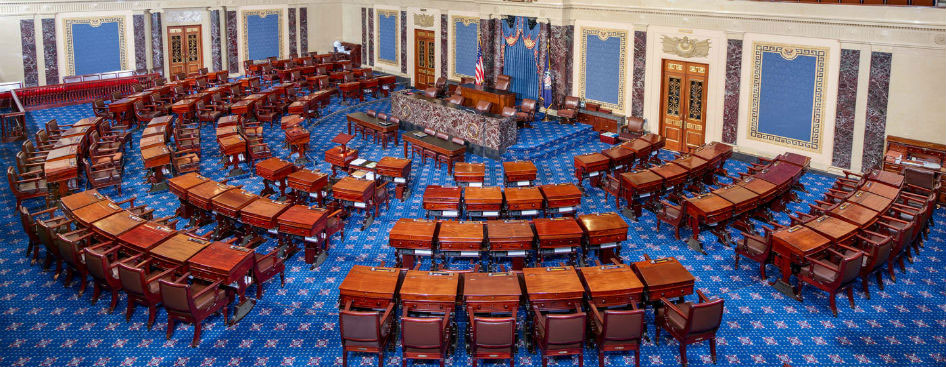
That is significant because the attorney general is not simply another Cabinet officer. The job oversees the Justice Department and carries broad authority over the department’s priorities, its approach to federal investigations and its supervision of U.S. attorneys across the country.
The material available from the Senate record identifies Fetterman’s opposition but does not provide a full account of the reasoning he offered on the floor. That distinction matters. A senator’s announced no vote can signal a broader concern about a nominee’s qualifications, independence, legal record or the administration’s direction, but readers should not assume a specific rationale that has not been documented in the available record.
Blanche’s nomination faces a moving target
Blanche’s path is complicated by more than unified Democratic opposition. Associated Press reporting on July 30 said Trump had indicated he might withdraw and delay Blanche’s attorney general nomination until Republican Sens. John Cornyn of Texas and Thom Tillis of North Carolina leave office.
According to the AP report, Cornyn and Tillis had sought written assurances related to the settlement of Trump’s lawsuit against the Internal Revenue Service. The report described their concerns as a potential obstacle to advancing the nomination.
That leaves two separate but connected issues: whether Blanche can secure enough Senate support, and whether the White House will continue pressing ahead with the nomination in its current form. Fetterman’s announced opposition is firm, while the nomination’s timetable remains less clear.
Why the attorney general role matters
The attorney general leads the Justice Department, an institution whose decisions can affect civil rights enforcement, antitrust cases, immigration litigation, national-security matters, public-corruption investigations and federal criminal prosecutions. The department also represents the United States in a wide range of legal disputes.
For that reason, confirmation fights over the position often extend beyond a nominee’s résumé. Senators commonly focus on whether an attorney general would act independently, apply the law consistently and preserve public trust in investigations involving politically powerful figures.
Supporters of a president’s nominee generally argue that an elected president is entitled to select an attorney general who shares the administration’s legal and policy priorities. Critics often counter that the office requires special distance from partisan or personal interests because of its control over federal law enforcement.
Those competing views are likely to frame the debate around Blanche. Fetterman’s opposition adds another public expression of the argument that Senate scrutiny of the post should be especially rigorous.
Republican votes could prove decisive
In a closely divided Senate, the decisive question is usually not whether a nominee will win Democratic votes, but how many senators in the president’s own party are prepared to withhold support. The AP report suggested that Cornyn and Tillis had concerns serious enough for Trump to contemplate delaying the nomination.
Neither Fetterman’s announcement nor the available Senate record establishes a final vote count. It also does not establish whether other senators will join him in opposition. A nomination can change quickly as committee hearings, private meetings, written commitments and negotiations produce new positions.
Still, opposition from a Democratic senator who has at times taken positions outside his party’s conventional lanes gives the development added visibility. It ensures that the debate cannot be framed solely as a routine party-line confirmation dispute.
What remains unknown before a vote
The clearest confirmed facts are limited: Blanche has been nominated to be attorney general, Fetterman plans to oppose him, and Trump has reportedly raised the possibility of withdrawing or delaying the nomination because of Republican concerns.
Several consequential details remain unresolved. There is no confirmed final Senate vote date in the material available here. It is also unclear whether the administration will offer the assurances sought by Cornyn and Tillis, whether those assurances would change their positions, or whether Trump will keep Blanche’s nomination before the Senate.
For now, Fetterman’s no is an early and explicit line in a confirmation battle whose outcome may turn less on Democratic opposition than on whether the White House can hold together enough Republican support. The next meaningful signal will be procedural: a committee action, a scheduled vote, a withdrawal, or clearer commitments from senators who have raised objections.
The immediate takeaway for readers
Fetterman’s opposition does not by itself block Todd Blanche from becoming attorney general. But it puts scrutiny of Blanche’s nomination and of Justice Department independence squarely at the center of the Senate debate.
With the president reportedly weighing a delay and key Republicans seeking assurances, the nomination is not just a test of partisan numbers. It is also a test of how senators define the limits, obligations and independence of the nation’s top law-enforcement office.
Leave a Reply