
The reported letter is part of a wider power struggle over FIFA’s direction, not a confirmed mechanism for removing its president. The key question is whether Infantino’s critics can turn public pressure into the votes required to force change.
Gianni Infantino was threatened with the end of his tenure as FIFA president after a leaked letter reportedly revealed pressure aimed at his FIFA presidency. The letter’s full contents and authorship have not been independently detailed in the available reporting, but it has surfaced during an increasingly public fight over whether Infantino should remain in charge of world football.
The immediate stakes extend beyond one document. UEFA has said Infantino’s continued leadership is untenable, while FIFA says critics are trying to remove a democratically elected president outside its established processes. Whether the challenge becomes real depends on support among FIFA’s 211 member associations and the organization’s demanding voting rules.
The letter is only part of the fight
A leaked letter can create political pressure quickly, especially when it concerns the leadership of the sport’s most powerful governing body. But a leak is not, by itself, a formal vote of no confidence, a disciplinary ruling or a binding order for a president to leave office.
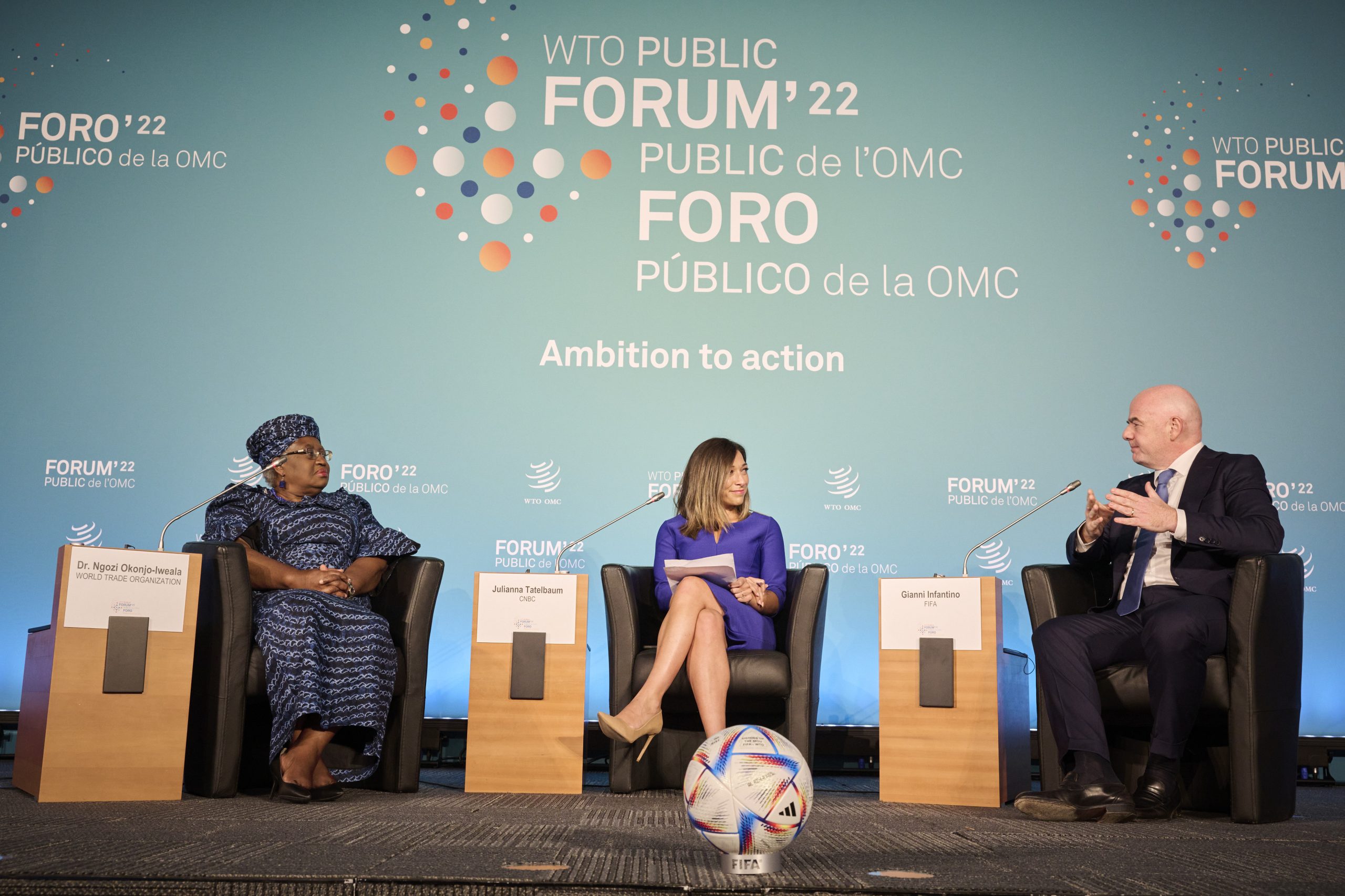
That distinction is central here. The available research identifies the letter as the trigger for renewed attention around Infantino’s future, but it does not establish who wrote it, who received it, what precise action it called for, or whether it carried any formal authority within FIFA.
Readers should be wary of treating the phrase “end of his reign” as a settled outcome. It describes the pressure surrounding Infantino, not proof that his exit is imminent.
UEFA has openly challenged Infantino
The broader conflict is no longer private. The Guardian reported that UEFA regards Infantino’s continued leadership of FIFA as untenable following controversy over plans involving World Cup commercial assets.
FIFA had proposed selling 20% of a new company that would control the World Cup’s commercial assets. UEFA responded with a boycott threat backed by all 55 of its member countries, according to the report, and the proposal was abandoned less than 48 hours later.
That reversal showed that European football can exert real leverage. Yet it also exposed a limit: stopping a commercial proposal is not the same as assembling the global coalition needed to remove FIFA’s president.
UEFA later said its boycott threat remained in place despite FIFA saying Infantino retained the organization’s full support after a management-board meeting in Rabat. What further concessions, if any, UEFA wants has not been made clear.
FIFA says the campaign lacks legitimacy
FIFA has framed the criticism as an attempt to bypass its democratic framework. A FIFA spokesperson said Infantino was elected by member associations and continues to serve with their mandate.
The organization also accused opponents of trying to achieve through “allegation, insinuation or misinformation” what they could not win through FIFA’s established procedures. FIFA said it would not support or facilitate any presidential-election process inconsistent with its statutes and governance rules.
That response does not answer every criticism directed at Infantino. It does, however, show where FIFA intends to fight: on process, voting legitimacy and the distinction between public controversy and constitutional action.
FIFA also criticized media reporting, saying recent coverage included unsubstantiated assertions and false claims. In relation to separate allegations reported by the Daily Telegraph concerning a former UEFA employee, FIFA described the allegations as “categorically untrue.” Those claims should not be conflated with the reported leaked letter or with any formal effort to remove Infantino.
The numbers make removal difficult
FIFA’s structure gives every member association a voice, meaning Europe cannot settle this dispute alone. The Guardian reported that UEFA could potentially seek an Emergency FIFA Congress, but its own members would provide only 43 votes toward calling such a meeting.
More importantly, the report said 106 of FIFA’s 211 member associations would be required to unseat Infantino. That is a formidable threshold in an organization whose power is spread across six regional confederations.
- UEFA has 55 member associations and has taken the most confrontational public position.
- Concacaf is reported to be aligned with UEFA, with some support also present in the Asian Football Confederation.
- The Confederation of African Football and South American confederation Conmebol have publicly backed Infantino.
Those alignments make the leaked-letter episode politically significant, but they also explain why claims of an imminent removal should be treated cautiously. Public dissatisfaction is not the same as a majority capable of winning a decisive vote.
Why the World Cup dispute matters
The clash is about more than personalities. Control of World Cup commercial rights goes to the heart of FIFA’s financial power, its relationship with national associations and the influence of continental bodies such as UEFA.
For Infantino’s supporters, FIFA’s global reach and member-association system protect the organization from being dominated by Europe’s leading football nations. For critics, that same system can make accountability difficult when a president retains support outside Europe despite intense opposition from UEFA.
The dispute also tests the usefulness of boycott threats. UEFA’s members have substantial sporting and commercial weight, and a boycott of FIFA competitions would be disruptive. But such a move would carry risks for teams, players, broadcasters and fans, making it a powerful threat that may be difficult to execute.
The first reported test is expected at the Under-20 Women’s World Cup in Poland next month. It remains unclear whether the disagreement will affect participation or whether the threat will instead remain leverage in negotiations.
What could decide Infantino’s future
The next FIFA presidential election is scheduled for March, according to the reporting. Before then, the real measure of Infantino’s vulnerability will be whether critics move from statements and leaks to an organized, statute-compliant challenge that can attract support across regions.
A reported leaked letter may sharpen the political narrative against him. It cannot substitute for evidence, formal procedure or votes. Nor does FIFA’s insistence on procedure automatically resolve the governance concerns raised by its opponents.
For now, the clearest conclusion is that Infantino faces a serious legitimacy battle rather than a confirmed departure. The question is not simply whether opponents want him out. It is whether they can build a coalition large enough to make that demand count inside FIFA.
Leave a Reply