
A court ordered Donald Trump’s name removed from the Kennedy Center facade, but the space remains covered as officials cite roof work and opponents accuse the board of resisting the ruling. The fight now reaches beyond a sign, touching governance, renovations and the identity of a national cultural institution.
The Kennedy Center board told a judge it would not remove the tarp covering the area where Donald Trump’s name was removed from the Kennedy Center. The position keeps a highly visible piece of the dispute in place after a federal court ruled that letters bearing Trump’s name had been installed illegally and ordered them taken down.
The tarp may sound like a minor construction detail, but it has become a test of what compliance looks like at the Washington performing-arts institution. The Kennedy Center says the covering is needed for water testing and structural repairs; opponents say it leaves the effect of the disputed sign unresolved.
A tarp becomes the latest flashpoint
In a status report to the court, the Kennedy Center did not commit to removing the tarp from the facade. The institution said the covering was installed to help facilitate removal of Trump’s name and is part of a wider system needed for work on the roof overhang.
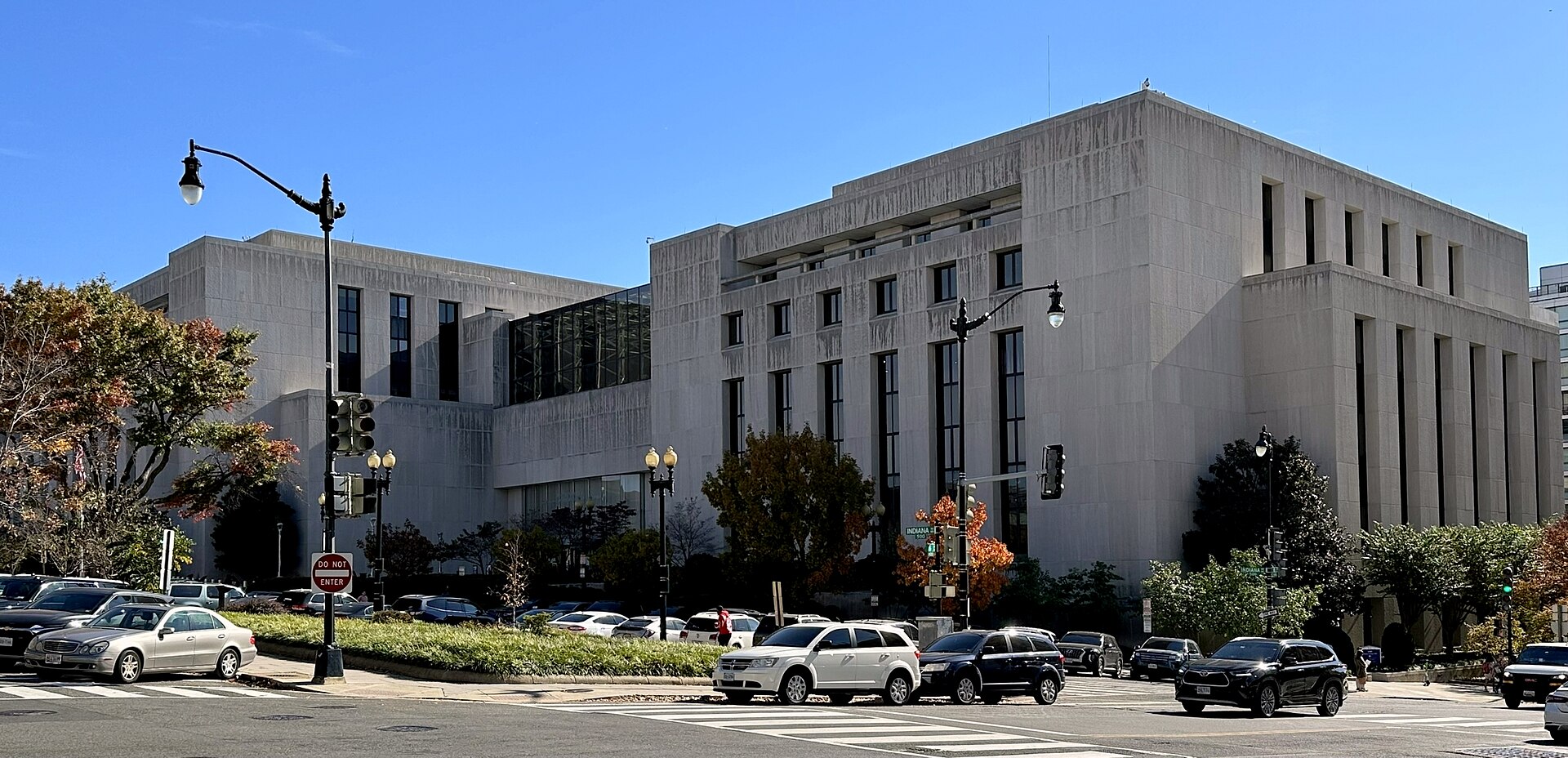
That explanation puts the argument on practical grounds: construction work can require temporary coverings, and the Kennedy Center maintains that the tarp serves a purpose beyond the name dispute.
But lawyers for Rep. Joyce Beatty, an Ohio Democrat and an ex officio member of the board, have cast the situation differently. They argued that the Trump-aligned board appeared determined to resist an earlier order requiring the president’s name to come down.
The disagreement reflects a basic divide. One side describes an active repair site; the other sees an incomplete response to a court ruling involving a nationally prominent public building.
The court order behind the dispute
U.S. District Judge Christopher Cooper ruled in May that letters spelling Trump’s name had been added to the building illegally and ordered their removal. According to reporting by PBS NewsHour based on an Associated Press account, efforts to overturn that decision did not succeed.
The letters were removed, but the tarp has covered the location where they had been attached. That is why the latest court filing focuses not on restoring the name immediately, but on the unresolved appearance of the building after the court-directed removal.
The Kennedy Center has also told the court it would not try to put Trump’s name back on the facade before at least September 8. That statement gives the parties time for further legal arguments, but it does not settle what the board may seek to do afterward.
For now, the legal distinction matters: removing letters is one action; leaving a covered space where they stood is another. The judge may ultimately have to decide whether the existing arrangement satisfies the earlier order or requires additional steps.
Board plans go beyond the facade
The name dispute arrived alongside major decisions about the Kennedy Center’s future. At an August meeting, the board approved a resolution to name the plaza in front of the building after Trump and to alter the facade wording to read, in part, that the center was restored and renovated by President Donald J. Trump.
The resolution also contemplated an added reference to Trump if the Trump Kennedy Center Fund reaches $100 million, according to the court filing summarized by PBS. Those plans have heightened the stakes because they suggest the fight is not limited to the letters already removed.
The board also backed a two-year closure for renovations. During that period, major programs including the Kennedy Center Honors and the Mark Twain Prize for American Humor would be held elsewhere, while the National Symphony Orchestra plans to divide an upcoming season among six venues in and around Washington.
The Kennedy Center says a full closure is the most workable route. It cited an analysis by Delta Consulting Group that concluded a partial closure spread over four years would increase construction costs, extend disruption and create substantial safety concerns.
Critics challenge the closure process
Beatty’s lawyers have questioned not only the naming plans but also the process behind the renovation vote. They said board materials were supplied just two days before the August meeting and argued that some documents appeared to predate Judge Cooper’s May ruling.
Their filing contends that the August vote repeated weaknesses in an earlier decision to shutter the building. Cooper had previously described a March closure vote as “ill-informed and seemingly preordained,” according to the PBS report.
The Kennedy Center’s position is that a full two-year closure would minimize total costs, shorten programming disruption and preserve the institution’s standing as a world-class performing-arts venue. That is a consequential operational argument, particularly for an aging building facing infrastructure needs.
Critics, however, see a governance concern: whether the board received sufficient information, fairly considered alternatives and acted independently of an effort to place Trump’s name more permanently on the institution.
Why the fight carries national weight
The Kennedy Center is not an ordinary arts venue. Created as a memorial to President John F. Kennedy and a major national home for performance, it carries symbolic importance far beyond its Washington facade.
That makes the conflict a collision of law, institutional stewardship and political legacy. Supporters of adding Trump’s name can frame it as recognition for a president and a board pursuing costly repairs. Opponents argue that the building’s legal status and its memorial identity limit what a sitting administration or aligned board can do.
The tarp has become a potent visual shorthand for that larger divide. It conceals the place where Trump’s name had appeared, while leaving open the question of whether the underlying dispute has truly been resolved.
It also shows how physical changes to public institutions can create legal questions that outlast the installation itself. Even after letters are removed, the consequences of the decision can remain in plain sight.
What remains unresolved before September
The immediate issue is whether the tarp stays and, if so, for how long. The Kennedy Center has not committed in its filing to removing it, while opponents have pressed the court for a quicker response because they fear the board could revive naming plans after September 8.
Several questions remain open: whether the court will require a clearer timetable for the tarp’s removal, whether any new facade proposal can survive legal scrutiny, and how the renovation closure will proceed amid challenges to the board’s decision-making.
There is also a practical question for audiences and artists. A two-year closure would move signature events and regular performances away from the Kennedy Center, making the legal fight part of a broader transition for one of the country’s most recognizable cultural institutions.
For the moment, the building’s covered facade captures the unusual state of play: Trump’s name has been removed under court order, yet the dispute over what belongs on the Kennedy Center—and who gets to decide—remains far from finished.
Leave a Reply