The proposal could create a new route for people under a federal firearm disability, but it would leave final decisions to the attorney general. The rule is still pending, with eligibility standards and safeguards yet to be finalized.
The Trump administration has proposed a federal pathway to restore gun rights for some people convicted of felonies in the United States. The Justice Department would use a case-by-case process, and roughly 330,000 people are expected to seek relief from federal firearm restrictions.
The proposal does not automatically return firearm rights to people with felony convictions. Instead, it would establish an application process overseen by the attorney general, making the final rule, screening standards and individual decisions central to who may qualify.
A review process, not blanket relief
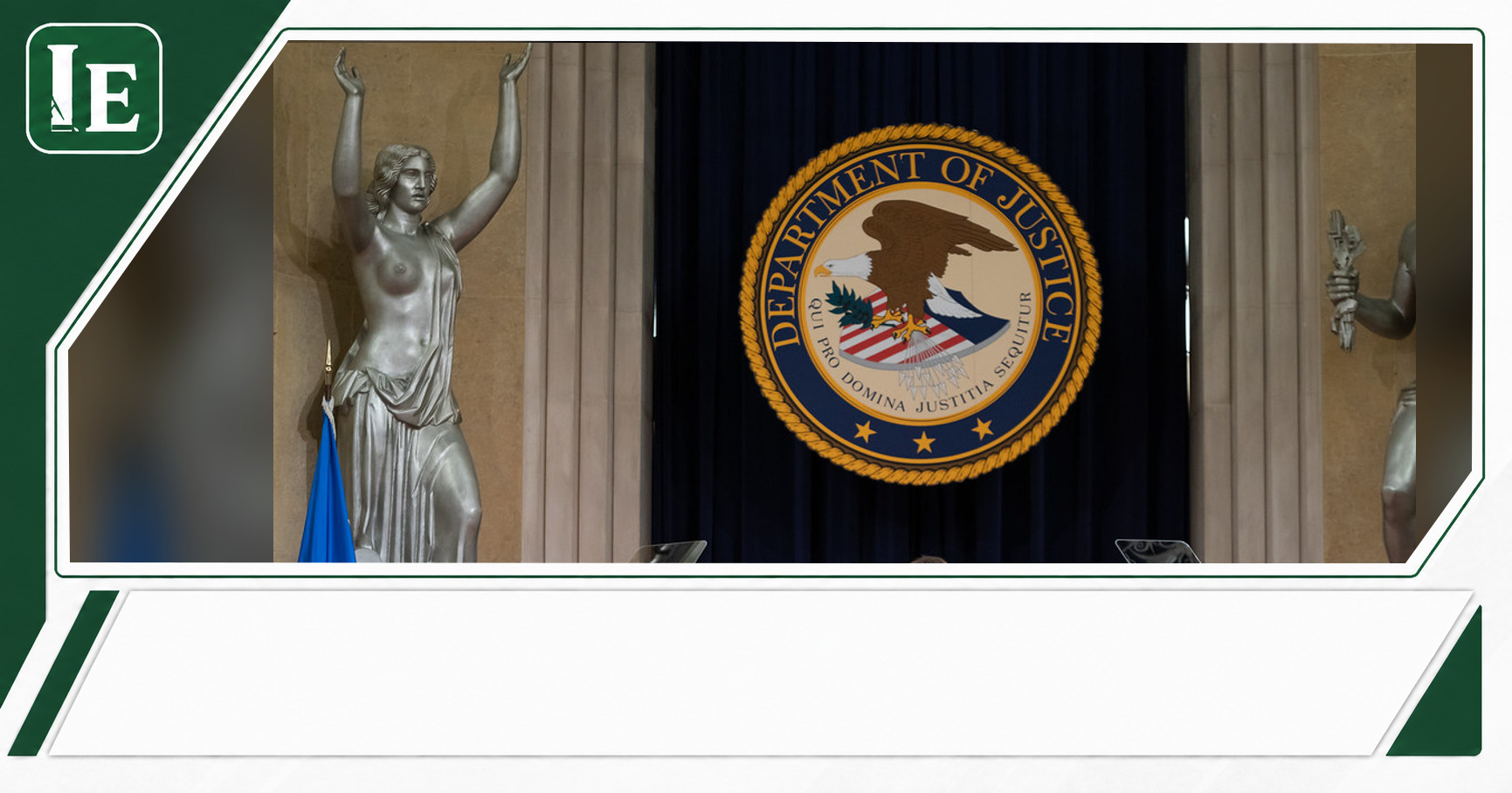
The Justice Department says it has submitted a proposed rule describing how the attorney general could use authority under 18 U.S.C. 925(c) to restore federal firearm rights.

Under that statute, relief may be granted when an applicant is not likely to act in a manner dangerous to public safety. That standard places the proposed system in a very different category from a broad restoration of rights for everyone with a past felony conviction.
A successful application would not erase a conviction or expunge a criminal record. Nor would the proposal automatically allow every person convicted of a felony to buy or possess a firearm.
Instead, people subject to a federal firearm disability could present individual cases through a system being developed by the Justice Department and the Bureau of Alcohol, Tobacco, Firearms and Explosives. The department has described it as a web-based application program, with the attorney general retaining final discretion.
The first applicants would be few
The projected demand is large, but the planned opening would be much smaller. The Justice Department expects roughly 330,000 people to seek restoration of their federal firearm rights, yet its timetable calls for a gradual start if the rule becomes final.
- Candidates would be invited to apply 30 days after publication of a final rule.
- Seventy-five days after publication, the application would open to the first 5,000 candidates.
- At 120 days, another 500 applicants would be able to apply, and an application fee would begin.
Those limits matter because an estimate of 330,000 potential applicants is not an estimate of 330,000 approvals, or even 330,000 near-term applications. The department’s initial plan points to a program that would begin with a narrow group while officials test a new review structure.
The formal rulemaking process could still alter the schedule, fees, documentation requirements and eligibility standards before the system opens.
Who may face steep barriers
The Justice Department says violent felons, registered sex offenders and people it describes as illegal aliens would be presumptively ineligible for relief absent extraordinary circumstances.
That word does not necessarily establish an absolute bar in every case. It signals a strong presumption against eligibility, while leaving room for exceptional cases under the department’s proposed approach.
For other applicants, the department says it would make decisions case by case using available facts and evidence. A nonviolent conviction, by itself, would not guarantee the restoration of federal firearm rights.
The proposal leaves important practical questions unresolved: how officials would weigh rehabilitation, time since conviction, compliance with other laws and indicators of risk. The eventual standards could determine whether the program functions as a meaningful route for a significant number of people or a rarely granted form of relief.
Federal approval may not settle everything
A federal decision would address only one layer of firearm restrictions. State gun laws, court orders and the particular facts of a person’s conviction may impose separate limits.
That means an applicant should not assume that federal relief would answer every legal question surrounding firearm ownership or possession. The proposal concerns federal firearm rights and disabilities; it does not override every other restriction that might apply.
This distinction is especially significant because the policy debate may focus on the broad idea of restored rights, while affected people could still face different rules depending on their circumstances and other legal obligations.
A Second Amendment policy test
Attorney General Pamela Bondi presented the proposal as a response to what the administration views as overly broad and enduring restrictions on constitutional rights. The Justice Department argues that federal law can disqualify people based on criminal history without sufficiently distinguishing between those who pose a danger and those who do not.
The proposal fits the Trump administration’s broader effort to elevate Second Amendment protections. In its announcement, the department described the process as a way to provide relief for people legally barred from possessing firearms while continuing to prevent dangerous criminals from obtaining them.
Supporters of restoration policies argue that permanent firearm prohibitions can be too sweeping, particularly for people with old or nonviolent convictions who have completed their sentences. In that view, an individualized assessment is more defensible than a lifetime prohibition with no practical means of reconsideration.
Critics are likely to focus on the difficulty of predicting future risk and the consequences of an erroneous approval. Victims’ advocates and law-enforcement groups may press for clear standards addressing prior conduct, mental-health evidence, domestic-violence history and other warning signs.
The unanswered questions are decisive
The Justice Department has invited comments from law enforcement, victims’ advocates, elected officials and prospective applicants. That public-comment period gives supporters and opponents an opportunity to seek changes before the rule is finalized.
The central dispute is not simply whether firearm rights can ever be restored. It is also about who should be eligible, what evidence should be required, how much discretion a political appointee should hold and whether a centralized federal process can make difficult risk decisions consistently.
For now, the department has advised people seeking restored rights to review and comment on the proposed process rather than submit applications immediately. Until a final rule is published and the application system opens, people affected by federal firearm restrictions should not assume their legal status has changed.
The Trump administration has proposed a route to seek individualized relief. Whether it becomes a significant new avenue for applicants, or a tightly limited process with few approvals, will depend on the final rule and how the Justice Department carries it out.
Leave a Reply