
Viewers discussing Jenna Ortega’s appearance shifted quickly from concern to broad judgments about Hollywood’s body standards. The episode also shows how easily speculation about a celebrity’s health can outrun the facts.
Jenna Ortega’s appearance in “Shrinking” prompted public reactions, with some people comparing her appearance to Ariana Grande and criticizing Hollywood’s perceived obsession with thinness. The discussion matters because it has turned a celebrity appearance into a wider argument about beauty standards, health speculation and who gets to decide when concern becomes scrutiny.
Available reporting identifies a recent Esquire “How I Got Here” interview as the public appearance at the center of the online conversation. Ortega has not publicly addressed claims about her body, and there is no statement from her representatives confirming a health issue.
The appearance became the story
Ortega appeared in Esquire’s video series to discuss her path from child actor to one of Hollywood’s most recognizable young performers. But online attention did not stay focused on her work, career choices or the interview itself.
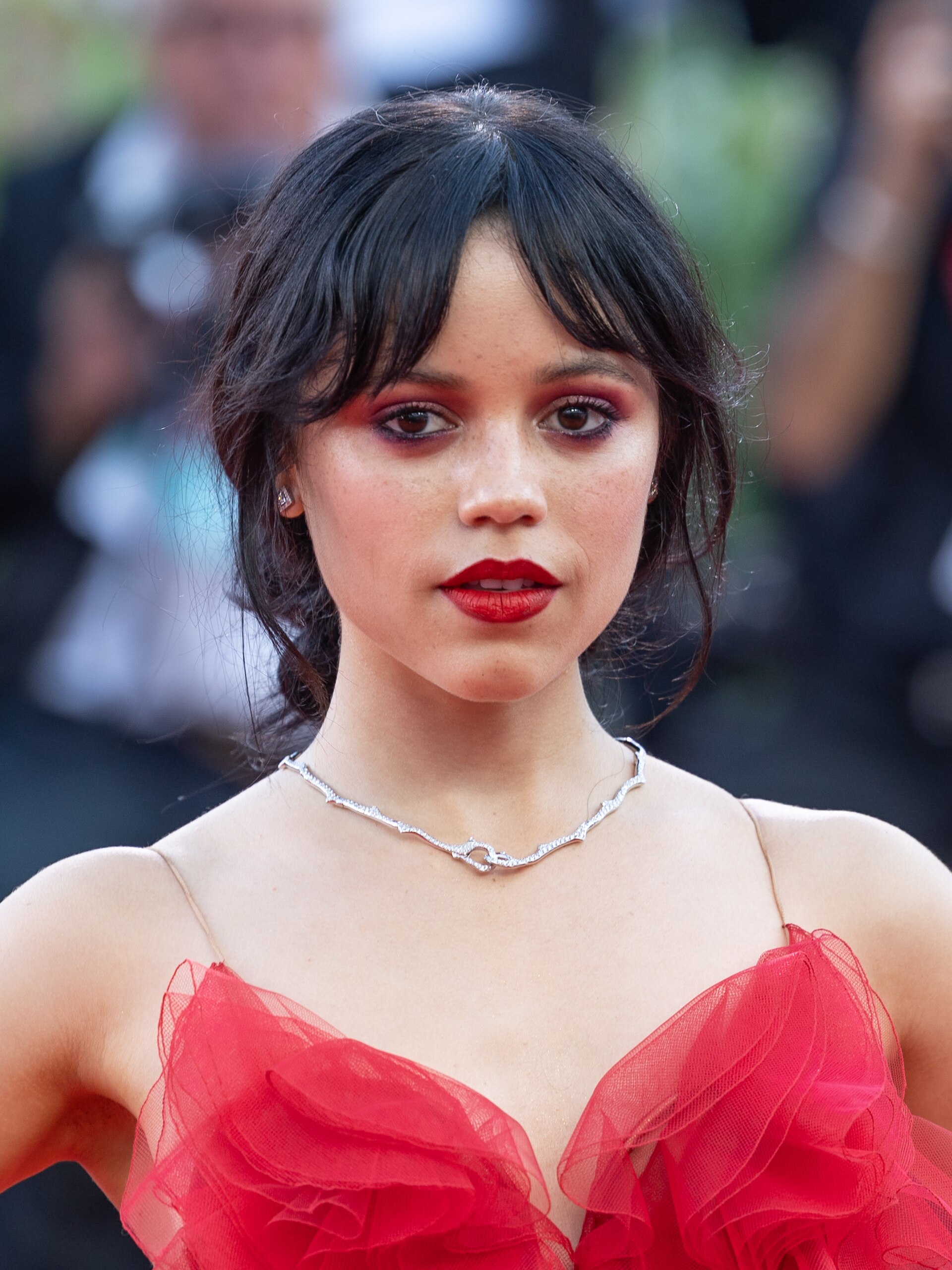
Instead, commenters fixated on whether she looked slimmer than she had in earlier appearances. That observation quickly produced two competing reactions: concern from people who said they were worried about her well-being, and resistance from those who argued that viewers were crossing a line by publicly dissecting her body.
Those are not identical positions, even when both are framed as caring. One treats a visual impression as a possible warning sign; the other stresses that a photograph, video clip or comparison to past images cannot reveal someone’s private health circumstances.
Why Ariana Grande entered it
Some social media users connected the discussion around Ortega to recent commentary about Ariana Grande’s appearance. The comparison was less about a shared project or public statement from either performer than about a familiar online pattern: a famous woman looks different, and the internet rapidly turns that change into a debate.
For critics of Hollywood’s thinness culture, the parallel represented what they see as a recurring industry message that extreme thinness is fashionable, rewarded or normalized. Their concern is aimed at the larger visual culture surrounding stars, including red carpets, promotional campaigns, fan edits and the relentless comparison of bodies over time.
Others pointed out an uncomfortable contradiction. Condemning a supposed thinness trend can still mean amplifying close-up body analysis of the women supposedly being protected. Repeating comparisons between Ortega and Grande may keep attention fixed on measurements, perceived weight changes and appearance rather than on either artist’s work.
Concern is not confirmation
The most important fact missing from much of the conversation is verified information. Reporting on the reaction notes that Ortega has not commented on the speculation and that no representative has confirmed any health concern.
That absence does not prove or disprove anything about her personal life. It means outsiders do not have the information needed to make confident claims about why someone looks different, whether a change is intentional, or whether there is a medical explanation at all.
Public figures often encounter this gap between visibility and knowledge. A camera captures a moment under particular lighting, styling, editing and angle; online audiences can then compare it with years of images and construct a narrative around it. The narrative may feel persuasive because it is repeated, not because it is supported.
That distinction is especially important when the subject is a person’s body. Speculation framed as alarm can still create pressure, invite rumor and turn an individual’s physical appearance into a kind of crowd-sourced diagnosis.
Hollywood’s image problem is real
The lack of verified details about Ortega does not erase the broader concern raised by commenters. Entertainment culture has a long history of rewarding narrow beauty ideals, then treating departures from those ideals as newsworthy. Actors can be criticized for looking too thin, too curvy, too muscular, too altered or simply different from an earlier photo.
Recent conversations around high-profile appearances, including discussion of Demi Moore at the 2026 Cannes Film Festival, show how quickly this cycle repeats. A red-carpet image becomes a trend, the trend becomes a verdict, and the person in the image is left to absorb commentary that can range from praise to concern to outright cruelty.
Fans who criticize Hollywood’s fixation on thinness are identifying a real cultural tension: audiences are exposed to highly curated images while being encouraged to judge those images as if they reveal unfiltered reality. The industry’s influence on what is presented as desirable deserves scrutiny.
But there is a difference between questioning systems and assigning a personal explanation to a specific actor. The first can examine casting, styling, promotion and media incentives. The second risks claiming knowledge that viewers do not have.
The internet rewards quick judgments
Celebrity appearance debates move fast because they are easy to understand at a glance. A before-and-after comparison requires little context, travels quickly across platforms and invites people to add their own interpretation.
That speed can flatten a complex subject. Viewers may be reacting to concern about unrealistic body ideals, while the performer becomes reduced to a visual symbol of that concern. Her own voice, privacy and actual circumstances can disappear beneath the broader argument.
The same dynamic complicates the language of “healthy” and “unhealthy.” Those judgments carry medical implications, yet online observers generally have no access to a person’s health records, routines, stress, medication, genetics or personal choices. Appearance alone is not enough to settle those questions.
A more responsible reading of the Ortega discussion is to hold both ideas at once: Hollywood’s beauty pressures are worth challenging, and a celebrity’s body is not public evidence for strangers to interpret with certainty.
What remains unknown about Ortega
For now, the verified story is limited. Ortega participated in a public interview, viewers reacted to how she looked, and some commenters compared the conversation to public scrutiny of Ariana Grande. The broader backlash focused on what users described as Hollywood’s preference for very thin bodies.
What remains unclear is whether Ortega sees any change in her appearance the way viewers do, what may account for it if there is one, and whether she intends to address the discussion. None of those questions can be answered responsibly through clips, photos or social posts alone.
The useful takeaway is not to dismiss every concern about entertainment-industry standards. It is to direct that concern toward the systems that monetize impossible-looking images, rather than turning an individual performer into a subject of unsupported health speculation.
Leave a Reply