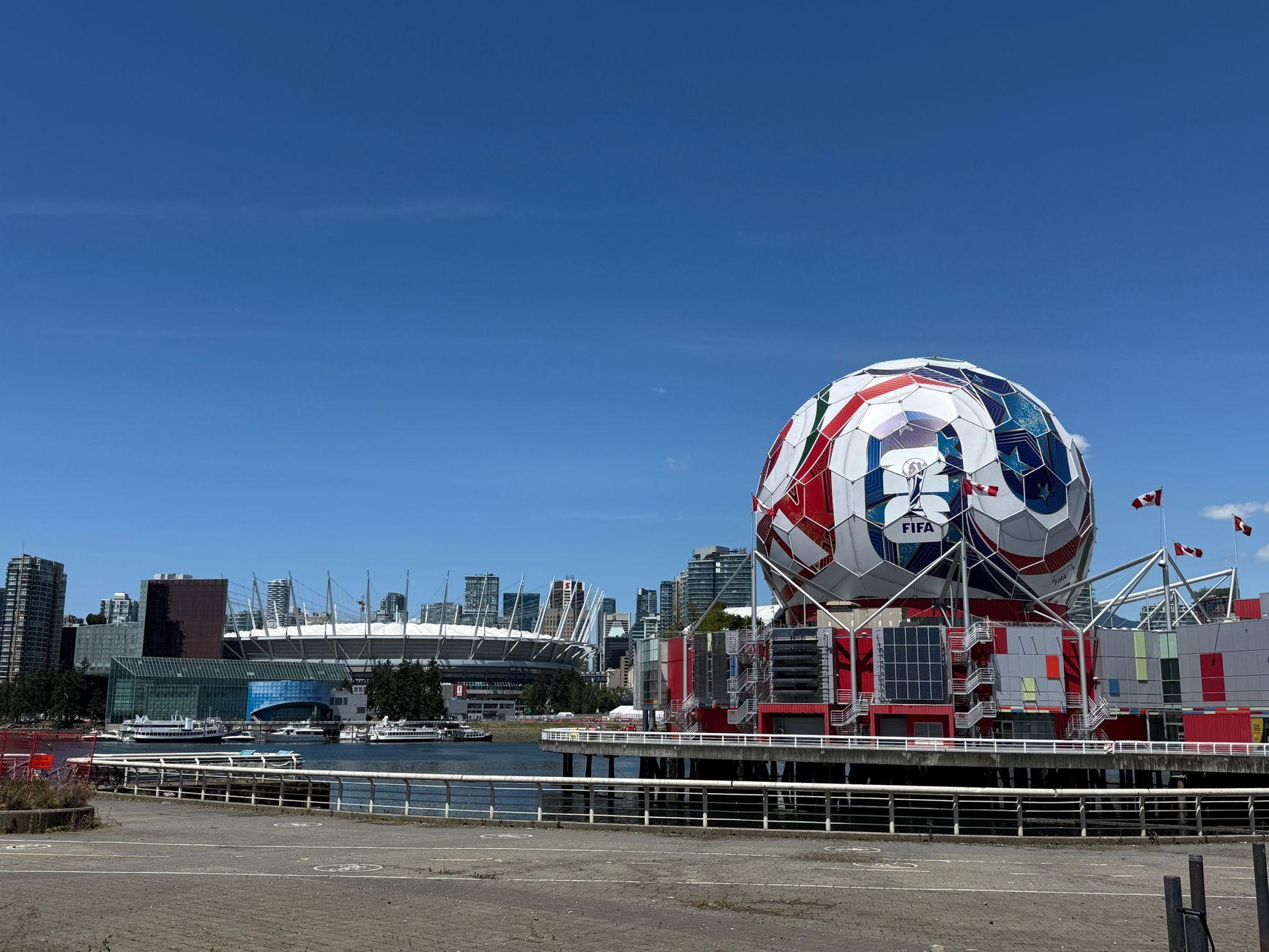
The plan would bring outside capital into the business operation behind soccer’s biggest tournament. The fight now centers on whether FIFA can raise billions without changing who really controls the World Cup.
FIFA plans to sell up to 20% of a new World Cup subsidiary to private investors, saying Tuesday, July 28, 2026, that it wants to create FIFA Forward Enterprise, a $20 billion entity to run World Cup operations and other FIFA events. The proposal could raise as much as $4.2 billion, but UEFA has responded angrily, warning that football is not FIFA’s to sell.
At stake is not just a finance deal. The World Cup is soccer’s most valuable event, and FIFA’s plan has opened a fight over who should benefit from it, who should control it, and how much private capital the global game can absorb before the line between stewardship and ownership starts to blur.
The deal FIFA is pitching
According to Reuters, the proposed FIFA Forward Enterprise would oversee commercial and event operations for the World Cup and other FIFA events. That would place a new corporate structure around the business machinery that generates broadcast, sponsorship, hospitality and tournament-related revenue.

FIFA’s proposal values the entity at $20 billion. Private investors would be able to buy up to 20%, while FIFA would seek to raise as much as $4.2 billion through the stake sale.
The key word in FIFA’s defense is minority. The organization says any private stakes would be non-controlling, meaning investors could participate financially without running football or taking over the World Cup.
That distinction is now the center of the dispute. FIFA is arguing it can separate commercial investment from sporting authority. UEFA is arguing that the World Cup’s business engine cannot be treated like an ordinary asset.
FIFA says control would stay
FIFA has said it would keep sole control of the subsidiary. It also says it would retain exclusive authority over football governance, competitions, the match calendar and regulatory and sporting decisions.
That promise matters because the World Cup affects far more than a month of matches. It shapes national-team planning, player workload, host-country preparations and the rhythm of the global football calendar.
FIFA President Gianni Infantino has framed the plan as a way to use the sport’s biggest commercial success to support the wider game. FIFA has also said net benefits from the proposal would be reinvested in football.
That is the most favorable reading of the plan: FIFA unlocks capital from an already valuable event business, keeps sporting decisions inside the governing body, and directs proceeds toward member associations that need funding for facilities, coaching, competitions and women’s football.
Why UEFA is so angry
UEFA’s response has been sharp. Europe’s governing body said the proposal crosses a line football institutions should not cross and warned that the soul and governance of the sport are not assets to trade.
The criticism is not only about money. It reflects the uneasy relationship between FIFA, which governs the world game, and UEFA, which represents Europe’s powerful clubs, leagues and national associations.
Europe is home to many of soccer’s richest competitions and biggest stars. FIFA, meanwhile, controls the World Cup and distributes money across 211 member associations. Those different constituencies explain why the same proposal can look like needed redistribution to one side and a dangerous power play to the other.
Reuters noted that relations had already been strained, including after UEFA President Aleksander Ceferin did not attend the recent World Cup final following disagreements involving disciplinary procedures, refereeing logistics and match operations. The subsidiary plan has now turned broader tension into a direct argument over ownership language.
The investor appeal is obvious
From an investor’s perspective, the attraction is not hard to understand. The World Cup is one of the few sports properties with truly global reach, major live-viewing value and sponsorship appeal beyond traditional soccer markets.
FIFA said Thrive Eternal, founded by Joshua Kushner, is expected to lead the proposed investor group. Reuters also reported that FIFA is working with JPMorgan bankers and that former Liberty Media CEO Greg Maffei has been involved as a commercial adviser.
Thrive Eternal has been described as a permanent capital vehicle focused on a small number of long-term investments in franchises and cultural institutions. That suggests FIFA is not presenting the proposal as a short-term flip, but as a long-term capital arrangement around its event business.
Still, the optics are difficult. FIFA is a not-for-profit governing body. Investors generally enter deals expecting returns. That is where critics see a structural tension: once outside shareholders have a financial interest in the World Cup operation, the sport will need clear answers about whose interests come first when revenue goals and sporting priorities collide.
The money FIFA says members could get
FIFA says the capital raise would support an optional program allowing member associations to access up to $20 million in one-off capital. The money could be used for infrastructure, coaching, national teams, competitions, grassroots football and the women’s game.
FIFA said that amount would rise to $24 million by the 2035-2038 cycle.
For smaller federations, those figures could be significant. An association with limited facilities or thin development funding may view the proposal very differently from UEFA officials who see the World Cup becoming a partial investment vehicle.
That is why the politics are complicated. FIFA’s membership includes many countries that depend heavily on central distributions. A proposal that alarms European power brokers may still appeal to associations that see a rare path to major capital support.
The vote is still unresolved
The plan is not final. A FIFA spokesperson said it will be presented to the 211 member associations and the FIFA Council, which would be the sole final decision-makers.
Several important details have not yet been publicly shown, including the full investor terms, governance protections, expected financial returns and limits on what private shareholders could influence over time.
Criticism is not limited to UEFA. Reuters quoted Richard Sheehan, a University of Notre Dame finance professor who studies sports economics, calling the proposal a money grab by current FIFA leadership. Britain’s new Prime Minister Andy Burnham also criticized the idea on social media, saying the World Cup is not a product and was never anyone’s to sell.
The cleanest version of FIFA’s argument is that it wants to monetize the World Cup’s business value without selling control of the World Cup itself. UEFA’s warning is that once investors own part of the machine that runs the tournament, that separation may become harder to defend.
Leave a Reply