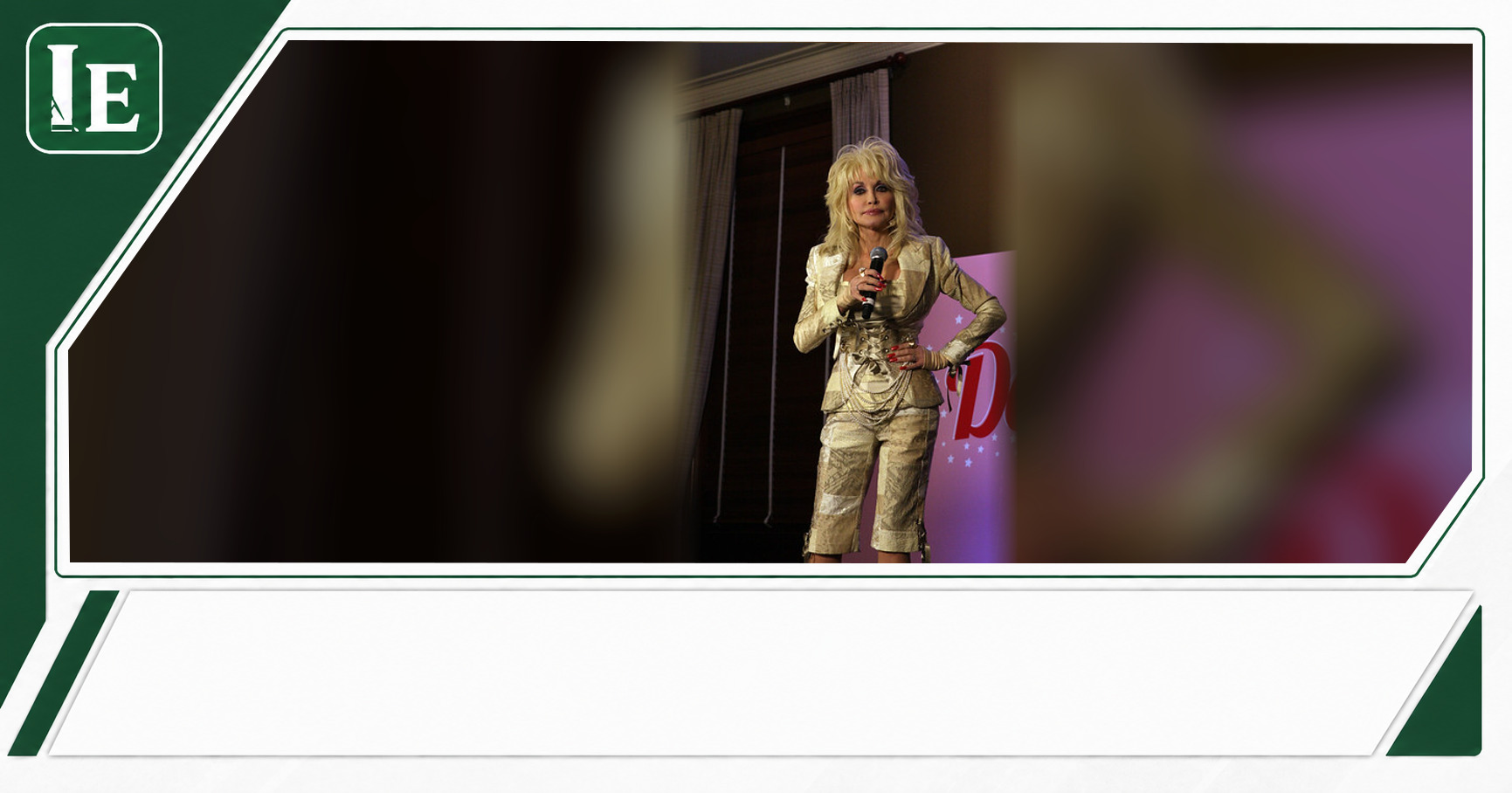
Dolly Parton drew admiration from Americans who rarely agree on much else. Her cultural reach was not simply about avoiding politics; it came from a public life that made room for people with very different beliefs.
Dolly Parton connected people across a deeply divided United States, crossing political, cultural, geographic and generational lines that have made shared public figures increasingly rare. In the outpouring after her death, country fans, pop listeners, faith leaders, LGBTQ admirers, Republicans and Democrats all claimed a piece of her legacy.
Parton’s broad appeal mattered because she showed that cultural connection does not always require agreement. She built trust through humor, faith, empathy and an unusually consistent refusal to turn other people into enemies.
A rare shared American figure
Celebrity culture is often sorted into political camps before an album, film or interview has time to stand on its own. Parton occupied a different space. Her songs reached country audiences first, but her career expanded far beyond one genre, region or generation.

She could be associated with family-friendly tourism in Tennessee, classic country songwriting, pop crossover hits, drag performances and the feminist comedy 9 to 5. Those identities do not naturally sit in one political coalition, yet they all existed within the same public image.
That did not mean every American agreed with her, or that she was free from criticism. It meant she possessed something increasingly unusual: people with competing worldviews often believed she was speaking to them without dismissing everyone else.
The numbers behind the affection
A University of Massachusetts Amherst and YouGov survey of 1,000 people in April found Parton with a net favorability rating of +65%, according to CNN’s analysis. The result included strong majorities among both liberals and conservatives.
The contrast in that survey was striking. Barack Obama, the next-most-popular person in the group cited by CNN, had a net rating of +14%. Donald Trump, along with former President Joe Biden, was underwater.
One poll cannot explain a life’s work, and favorability measures are snapshots rather than proof of national unity. Still, the gap illustrates how distinctive Parton’s standing was in a country where famous names frequently function as political signals.
Her appeal was also earned over decades, not created by a carefully timed campaign. Listeners encountered her through records, movies, television appearances, Dollywood, charitable work and a long stream of candid, funny interviews.
She avoided party labels, not values
Parton was often described as politically neutral, but that label can be misleading. She was cautious about endorsements and resisted being pulled into partisan fights, yet she did not pretend to have no convictions.
In 2016, when reports incorrectly suggested that she had endorsed Hillary Clinton, Parton clarified that supporting the idea of a woman in the White House was not an endorsement of Clinton. Her response was characteristically comic: if she were going to get political, she joked, she might as well run herself.
At the same time, she offered a plainly inclusive answer when asked about access to bathrooms for transgender people. She said she hoped people could be who and what they are, then punctured the charged debate with a practical line about needing to use the restroom.
That combination was central to her influence. Parton did not frame every issue as a test of who belonged in America. She could speak from her own perspective while declining the performance of contempt that often comes with public debate.
Faith, camp and business sense
Parton’s image held contradictions that many celebrities would try to smooth away. She was open about her Christian faith and her rural Tennessee roots. She also became a beloved figure in LGBTQ culture, particularly through drag, and embraced the theatricality of her appearance rather than treating it as an insult.
She could joke openly about plastic surgery, wear rhinestones and big hair, and still be viewed as a serious songwriter and entrepreneur. She called herself a “woman in business” rather than adopting every label others wanted to place on her.
That flexibility gave different audiences a genuine point of entry. For some, Parton represented faith and family. For others, she represented self-invention, female independence or queer joy. Her persona was large enough to contain those readings without forcing them into competition.
Biographer Martha Ackmann told NPR in 2025 that a defining idea for Parton was the biblical injunction not to judge others. Ackmann’s description of Parton’s “hardcore decency” captures why the persona held: the glamour was memorable, but the generosity underneath it made it believable.
The limits of staying above politics
There is a reasonable critique of celebrity political restraint. In periods of sharp conflict, choosing not to endorse a candidate or take a side can look like avoidance, especially to people who see a specific issue as urgent and personal.
Parton’s approach will not satisfy everyone, and it should not be treated as a universal template. Public figures with different platforms, experiences and responsibilities may decide that direct advocacy is necessary.
But Parton’s record suggests that refusing partisan branding is not the same as refusing moral responsibility. Her public comments and the communities that embraced her showed a pattern: make room for people, state a belief when it matters, and leave the door open for those who do not share every conclusion.
A legacy bigger than consensus
After Parton’s death, President Donald Trump said flags would be lowered to half-staff and called her singular. Former President Barack Obama had previously said it was a “screw-up” that she had not received the Presidential Medal of Freedom, assuming she already had.
The tributes from political leaders were only one piece of the response. The more revealing measure was the breadth of ordinary affection around her: fans who knew her through “Jolene,” through 9 to 5, through Dollywood, through church, through drag shows or simply through her generosity.
Dolly Parton did not erase America’s divisions. No singer, actor or public figure can do that. What she offered was rarer than consensus: a way for people on opposite sides of those divisions to recognize warmth, humor and dignity in the same person.
Leave a Reply