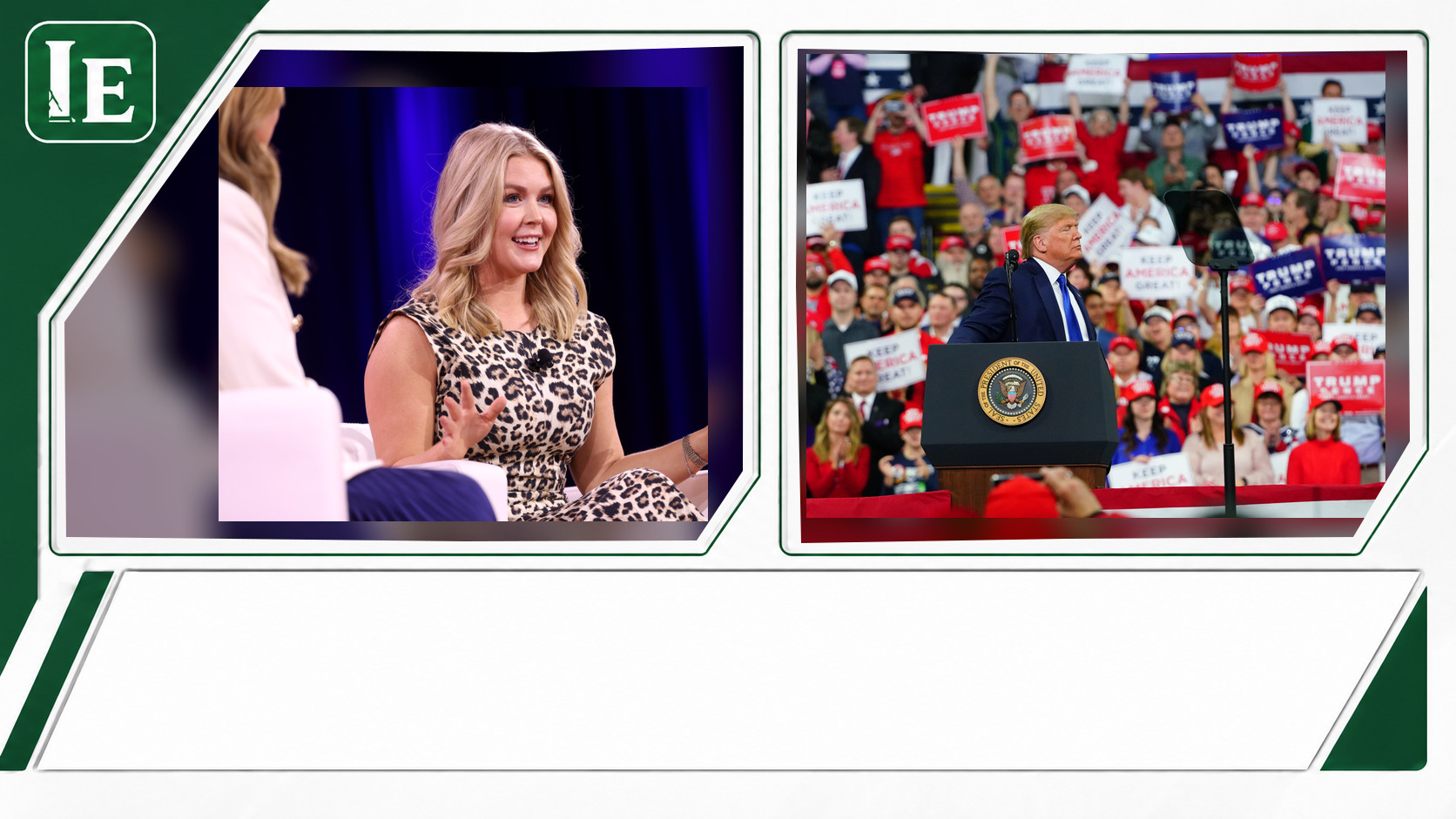
A planned departure by one of the White House’s most visible officials has become a debate about family, loyalty and political messaging. The clearest record still points to Leavitt’s own decision to spend more time with her young children.
Donald Trump again portrayed Karoline Leavitt’s departure as choosing her children over him, according to a report that described it as the second time within four days he made the claim. Leavitt plans to leave her White House press secretary role at the end of August to spend more time with her children and family, turning a staffing transition into a broader dispute over personal loyalty.
The available record does not include a transcript, video, official post or detailed account of either reported remark. That leaves the precise tone uncertain, even as the framing has drawn attention to the impending exit of one of the administration’s most prominent public spokespeople.
Two sharply different framings
The reported language presents Leavitt’s decision as a choice between her children and Trump. That is markedly different from the public explanation offered when her departure was announced earlier this month.

According to The New York Times, Trump said on Aug. 12 that Leavitt would leave the job to spend time with her family and that he “totally understand[s] and respect[s]” her decision. He also called her one of the best White House press secretaries in the office’s history and said she would become one of his top outside advisers.
Those accounts need not describe different outcomes. In both, Trump is losing a trusted aide because she wants more time with her family. But they put very different weight on the decision: one emphasizes support, while the other makes it sound like a test of allegiance.
What the report does not establish
A report says Trump made the “picked her kids” characterization twice in four days. But the supplied reporting does not provide the complete wording, dates, setting or source record for either instance.
Without those details, it cannot be determined whether Trump was criticizing Leavitt, expressing disappointment over an aide’s departure, joking, or using words that were later understood as criticism. Small differences in context could materially alter how the comments should be read.
It is also unclear whether Leavitt responded to the characterization, whether the White House addressed it, or whether there is a formal record that captures the exchanges. The absence of that information is central, not incidental, because this story turns on tone and meaning.
Leavitt’s planned August departure
The confirmed personnel change is more straightforward. The Times reported on Aug. 12 that Leavitt, then 28, would step down as White House press secretary at the end of the month after recently returning from maternity leave following the birth of her second child.
Leavitt described her service over the prior year and a half as “the honor and adventure of a lifetime” in a social-media announcement, according to the Times. Her statement and Trump’s Aug. 12 message point to a planned transition, rather than a publicly announced break.
The Times described Leavitt as the youngest person to hold the press secretary position. Before taking the role, she worked for Trump during his first term and on his campaign.
A job with unusual visibility
A White House press secretary does more than lead briefings. The official is a daily public representative of the administration, a defender of its agenda and a highly visible connection between the White House and the press corps.
That makes Leavitt’s departure consequential beyond the personal circumstances surrounding it. The transition comes before November’s midterm elections, when the administration will need figures who can explain and advocate for its policies in public.
Trump had not named a replacement or offered a timetable for choosing one, according to the Times. The reported family-loyalty remark may command more attention, but the operational question remains who will assume one of the administration’s most public-facing jobs.
Why the loyalty language resonates
Supporters of Trump could view the reported phrasing, if accurately characterized, as an acknowledgment that a valued adviser is leaving for family responsibilities. Critics could see the same language as casting a woman’s decision to spend time with her children as a failure of personal devotion.
Neither interpretation resolves what Trump said in the two reported instances. It does explain why the account has traveled beyond a routine staffing story: it joins parenthood, power and political loyalty in a single pointed description.
For Leavitt, the formal public account remains that she is leaving the press secretary job to devote more time to her family. Trump’s earlier statement said he respected that choice, and he indicated that she would continue as an outside adviser.
The unresolved issue behind the exit
The immediate facts are not in dispute: Leavitt is expected to leave at the end of August, and her stated reason is to spend more time with her young children. The reported repeat comment, however, raises a separate question about how that decision is being described inside and around the White House.
Until a fuller record of the alleged remarks emerges, it remains unclear whether the phrase reflects a genuine disagreement, an expression of affection and disappointment, or a sharper criticism than Trump’s earlier public message suggested.
That uncertainty is why the episode remains politically charged. A planned family decision by a prominent White House official has become a contest over the language used to explain it—and over whether respect and loyalty are being presented as competing demands.
Leave a Reply