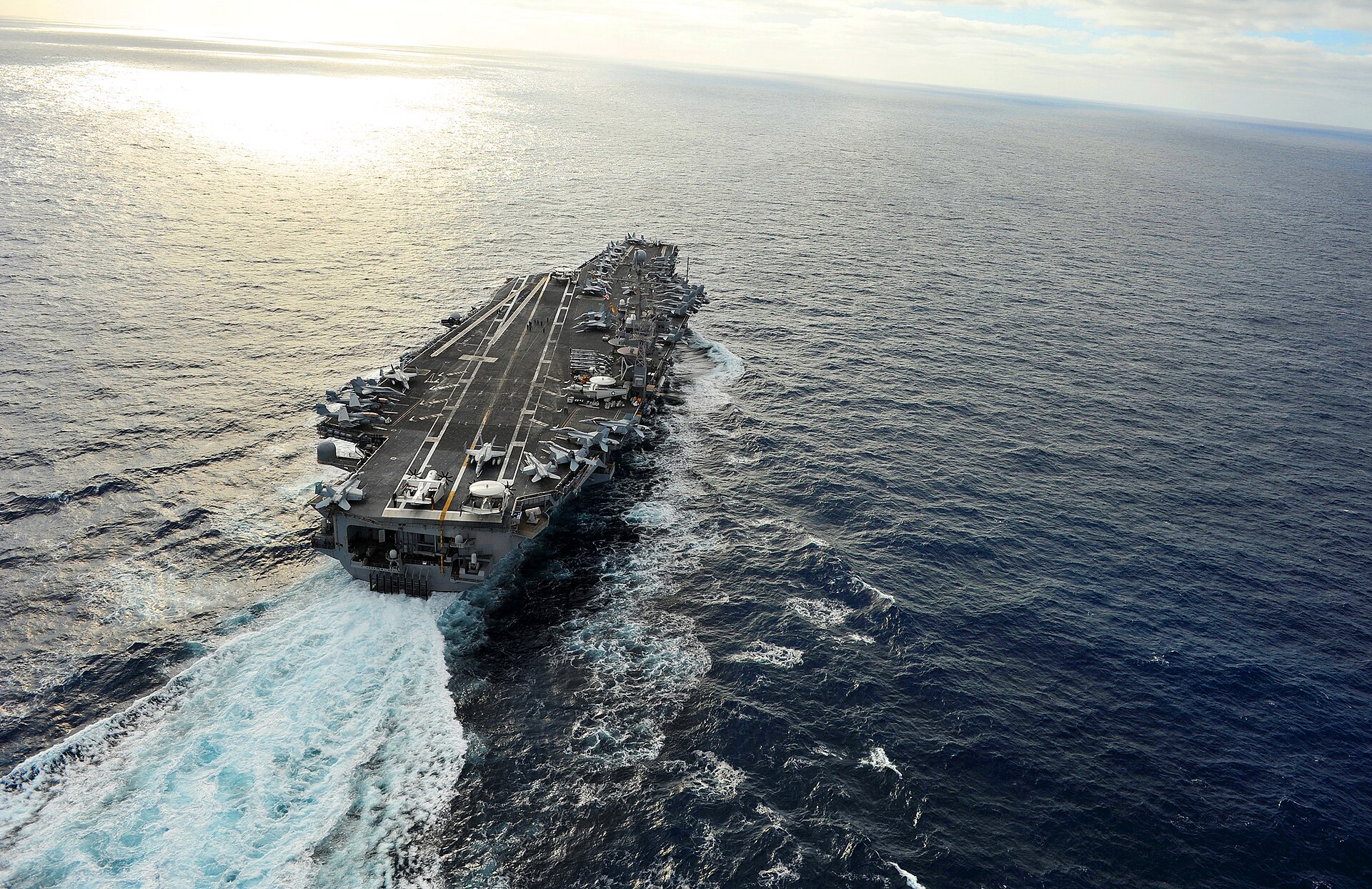
The inquiry puts a record-length carrier deployment and the Navy’s duty to support roughly 5,000 sailors and Marines under closer scrutiny. Navy officials dispute key claims about current conditions and say the ship has access to clean water, air conditioning and healthy meals.
Democratic senators demanded answers about conditions aboard the USS Abraham Lincoln after reports of food shortages, plumbing problems and mental-health crises during the aircraft carrier’s unusually long deployment. The senators raised concerns about conditions aboard the aircraft carrier and are seeking accountability from Defense Secretary Pete Hegseth, acting Navy Secretary Hung Cao and Navy leadership.
At issue is whether sailors aboard the Lincoln have received the supplies, services and support needed during more than 250 days of deployment, including more than 200 consecutive days at sea, according to Sen. Richard Blumenthal. The Navy says the reports do not reflect the ship’s current access to clean water, functional air conditioning and healthy meals.
What senators want from the Navy
Blumenthal, a Connecticut Democrat, wrote to Hegseth and Cao seeking an accounting of the conditions on the carrier. His letter cites reports involving shortages of basic supplies, possible water contamination, plumbing failures, deteriorating mental health and safety concerns on the flight deck.
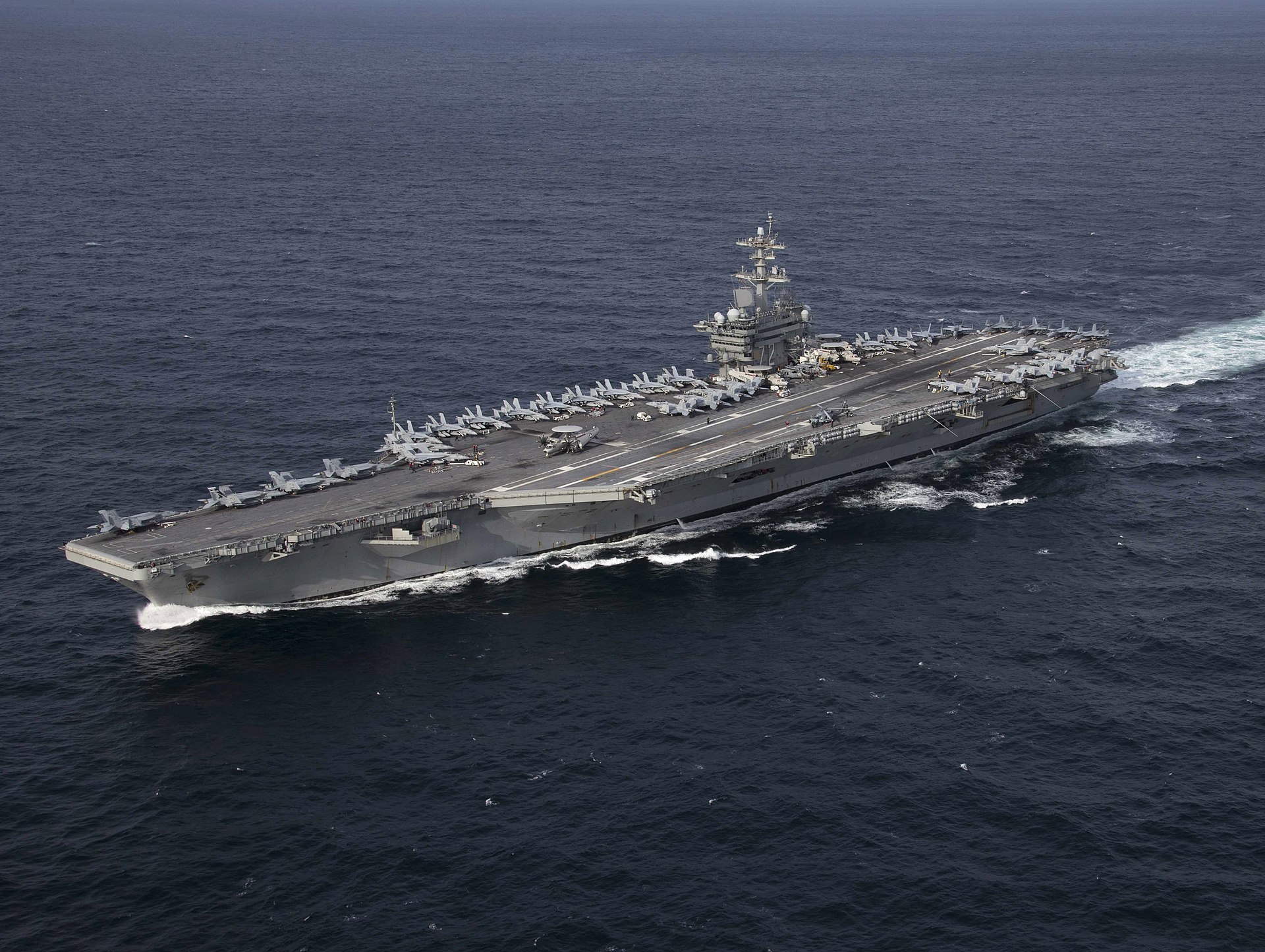
The central demand is straightforward: explain what the department knew, what it has done to address any problems and how it intends to support a crew enduring a deployment that has kept the ship away from shore for an extended stretch.
Arizona Democratic Sen. Ruben Gallego added a separate call for a bipartisan congressional delegation to visit the USS Abraham Lincoln and conduct an oversight investigation. That request signals that the dispute is moving beyond individual complaints toward a potential test of Congress’ ability to independently assess conditions at sea.
A deployment measured in months
The scale of the deployment is central to the senators’ concern. Blumenthal said the Lincoln has been deployed for more than 250 days and had not come ashore in more than 200 days, a period he described as a record for consecutive days at sea.
Long deployments can place pressure on the practical systems that shape daily life aboard a carrier: food deliveries, laundry, berthing, sanitation, mail, medical care and opportunities to rest away from the ship. They also strain families, who may receive limited information and have no direct way to judge the situation their relatives are living through.
The Lincoln carries about 5,000 sailors and Marines when its attached air wing is included, according to reporting cited by CBS News. A problem that may sound routine on land, such as a plumbing failure or delayed delivery, can carry different consequences aboard a ship with thousands of people and little room to spare.
The Navy disputes key allegations
A Navy official told CBS News that the USS Abraham Lincoln has been operating in a highly contested environment, where combat action disrupted traditional supply hubs in the Middle East. The official said leaders prioritized resupply in this order: mission-critical needs, food, hygiene items and then mail.
The same official said current reports from the ship show continuous access to clean water, functional air conditioning and healthy meal options. That response does not address every concern raised in Blumenthal’s letter, but it makes clear that the Navy contests the broad picture of an unsupported crew.
Hegseth also said during a visit to Panama that the situation had been “completely misrepresented.” He praised sailors serving with fewer port calls and in austere conditions, arguing that the department provides ships and crews with what it can at every moment.
Those statements frame the emerging disagreement. Senators and family members are pointing to reports of hardship and unanswered questions. The Navy is emphasizing operational constraints, its supply priorities and what it says are the ship’s present living conditions.
Families bring the pressure ashore
Family members have added urgency to the congressional inquiry. In two recent meetings, relatives reportedly confronted Navy leaders about difficult conditions, including food shortages, and pressed for a clearer picture of when their loved ones might return home.
Some families also reported serious mental-health concerns and attempted suicides. Those accounts deserve careful treatment: they are allegations and reports from families, not a public finding that establishes the scale or cause of any crisis.
The Navy said it had not identified an increase in reported suicidal ideation or suicide attempts aboard the ship based on information available to the command. It said the Lincoln offers deployment-resilience counselors, chaplains, Fleet and Family Support Center services, Military OneSource and medical professionals.
A sailor assigned to the carrier’s air wing went overboard earlier this month and was recovered safely, the Navy confirmed. The sailor was treated by the ship’s medical department and transferred off the vessel for further care; the circumstances remain under investigation.
Why oversight matters on a carrier
This dispute reaches beyond a single ship’s menu or maintenance backlog. Aircraft carriers are major military platforms, but they are also dense, self-contained workplaces where readiness depends on people being fed, rested, safe and able to obtain medical and mental-health care.
Congress has a role in overseeing how the Defense Department equips and supports service members, particularly when an operation extends beyond its expected rhythm. A congressional visit, if approved, could allow lawmakers to hear directly from sailors, commanders and support personnel rather than relying only on public statements and family accounts.
There is also a legitimate operational constraint. The Navy may be limited in what it can publicly disclose about a carrier’s location, mission, resupply routes or vulnerabilities. That does not remove the need for accountability, but it can make outside verification more complicated while the ship is operating in a contested region.
The key question is not whether deployment is inherently difficult; it is whether hardships have crossed into preventable failures of support, communication or care. The available accounts point in different directions, which is precisely why the senators are pressing for fuller answers.
What remains unanswered
Public reporting has not yet established how many supply disruptions occurred, how long any specific shortages lasted, whether reported plumbing and water issues were resolved, or whether an independent inquiry will be authorized. It is also unclear whether Hegseth or Cao will provide a detailed written response to Blumenthal’s letter.
Gallego’s proposal for a bipartisan delegation could become the next meaningful marker. Such a visit would not settle every claim automatically, but it could give Congress a direct view of the carrier’s conditions and the resources available to the crew.
For now, the USS Abraham Lincoln remains a case study in the tension between mission demands and the everyday realities of life at sea. The Navy says it is meeting the crew’s needs under difficult circumstances. Democratic senators want evidence that those assurances match what sailors and their families are experiencing.
Leave a Reply