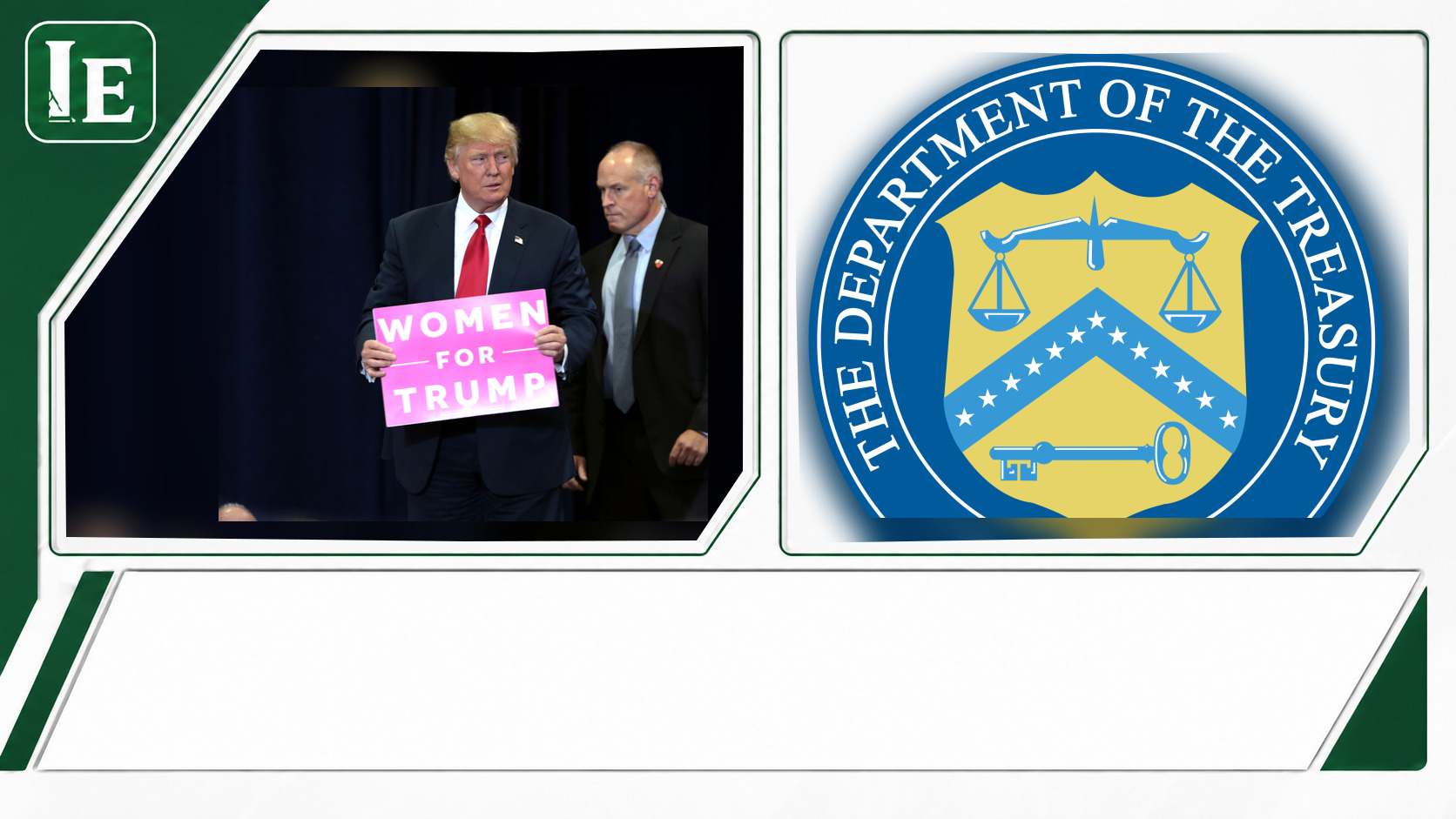
Tariffs can add federal revenue, but they do not by themselves determine the nation’s budget deficit. Treasury figures show why a large June refund makes any sweeping claim about tariff-driven deficit reduction harder to assess.
Donald Trump claimed that tariffs cut the U.S. federal deficit on a historic scale, calling the result the biggest drop in history. But the U.S. Treasury issued $49.2 billion in tariff refunds in June, and Treasury data complicates the claim that tariff-driven revenue has delivered a lasting reduction in the United States’ borrowing gap.
The June figure does not show that tariffs generate no revenue. It does show why the question is larger than customs collections: the deficit reflects net revenue, total federal outlays and the timing of payments and refunds across the fiscal year.
June put net tariff revenue in focus
Reuters reported that the Treasury refunded $49.2 billion in illegal tariffs in June. The refunds produced a net customs outflow for that month and helped push the June budget deficit to $120 billion.

That distinction is central to the debate. Gross tariff collections can make a revenue total look strong at one point in time, while later refunds can return money that had previously been collected.
A refund does not mean every tariff dollar failed to reach the Treasury. It means the net budget effect can change substantially, particularly when refunds are large enough to outweigh collections in a given month.
Tariffs add revenue, but do not define deficits
Tariffs are taxes collected on imported goods. When importers pay them, customs duties become one source of federal receipts alongside individual income taxes, payroll taxes and corporate taxes.
That gives Trump’s argument a limited but important factual basis: higher net tariff receipts can reduce the deficit relative to a scenario in which the government collected less revenue. A tariff line can help the budget.
But the federal deficit is the difference between all money the government takes in and all money it spends. Customs duties alone cannot establish what happened to that broader balance.
Entitlement payments, interest costs on federal debt, defense spending, other tax collections and the pace of the economy all affect the annual result. Showing that tariff revenue rose is therefore not the same as showing that tariffs caused an overall deficit decline.
The wider fiscal picture remains negative
Treasury Fiscal Data reports that the federal government has spent $1.80 trillion more than it has collected in fiscal year 2026. It also reports that the deficit increased by $170 billion from the same period a year earlier.
Those figures measure the whole federal budget, not just tariffs. They capture the gap between total receipts and total outlays.
The practical implication is straightforward: the deficit can widen even if customs revenue rises, if federal spending grows faster than those added receipts. The reverse can also happen: a deficit can narrow without any tariff change if other tax revenue increases, spending falls or budget timing shifts payments between months.
That makes it difficult to credit one revenue source for the full deficit outcome without comparing total receipts and spending over the same period.
Monthly totals can tell a misleading story
June illustrates why a single month is a weak foundation for a broad fiscal claim. Federal cash flows are not smooth from month to month.
Tax deadlines, benefit-payment schedules, one-time adjustments and refunds can each make a monthly budget result appear unusually favorable or unfavorable. A headline built around one monthly figure may not reflect the fiscal-year trend.
The Treasury’s Monthly Treasury Statement provides broader measures, including monthly and fiscal-year-to-date receipts, outlays and deficits. Those measures offer a more useful starting point for judging whether tariff receipts are producing a sustained net effect.
Supporters of Trump’s argument can point to the fact that tariffs can raise federal revenue. Critics can point to the June refunds and the wider deficit figures. Both points can be true at once because they describe different parts of the federal ledger.
“Biggest drop” requires a longer comparison
The claim of the “biggest drop in history” requires more than evidence of increased customs-duty receipts or a favorable change in one period. It depends on what is being compared: a month, a fiscal year, a prior-year result or a change from a projection.
Those are not interchangeable measures. A dollar change can also look different when considered against the size of the economy, total federal spending or major swings associated with recessions, wars, emergency relief and recoveries.
A credible historic comparison would need consistent annual deficit figures across many years, along with a clear definition of the period and measure being used. The available Treasury figures do not by themselves establish that tariffs caused a massive, continuing reduction in the deficit or that any decline ranks as the largest in U.S. history.
What the evidence can and cannot show
The strongest supportable conclusion is narrower than Trump’s description. Tariffs can generate federal revenue, and sustained net customs receipts can contribute to a smaller deficit than would otherwise exist.
June’s $49.2 billion refund is a reminder that collections are not final simply because they appear in an earlier tally. It also underscores why net receipts matter more than gross collections when judging budget effects.
Whether Trump’s tariffs are still reducing the federal deficit cannot be settled by one month’s revenue or refund number. The answer depends on sustained net customs receipts, total spending, total receipts and final fiscal-year data.
Leave a Reply