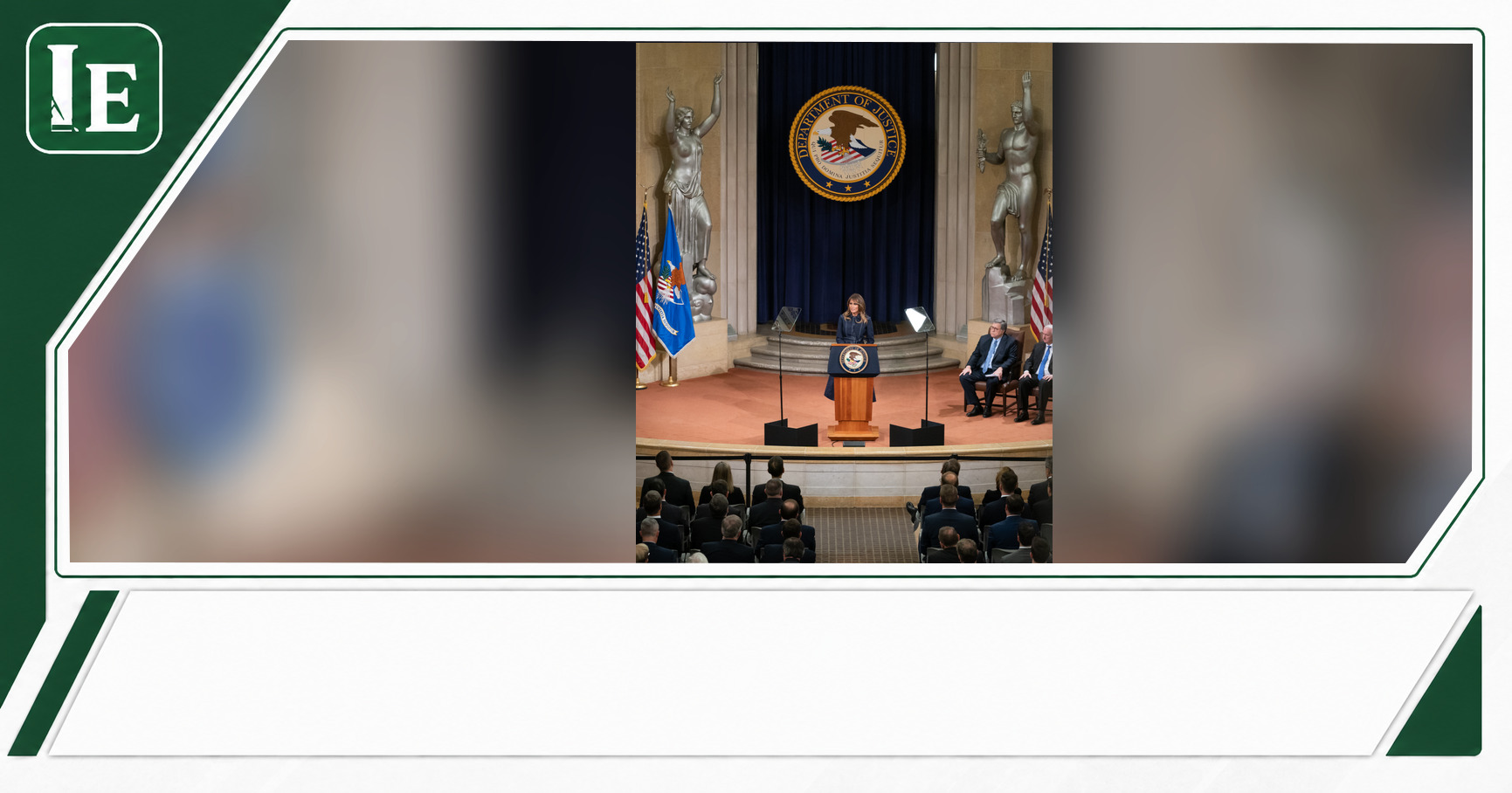
The cases put the cost of public college at the intersection of state residency rules and federal immigration law. They could affect eligibility policies if courts grant the relief the Justice Department is seeking.
The U.S. Department of Justice sued New York, Connecticut and Vermont, challenging in-state college tuition policies for undocumented students. The three lawsuits also challenge related financial-aid and scholarship policies, putting college affordability and immigration policy at the center of a legal dispute over rules that currently treat residency as the key factor.
The Justice Department is asking courts to block the states’ policies. For students and public colleges, the immediate issue is whether tuition and aid eligibility could change while the litigation proceeds; for the states, the cases test how much authority they retain over public higher-education policy.
Three states face separate complaints
According to the Justice Department, the United States filed separate complaints against New York, Connecticut and Vermont. The department says the challenged laws, regulations and policies require colleges and universities to provide in-state tuition to residents regardless of lawful immigration status.
The complaints reach beyond the tuition bill itself. They also seek to stop financial assistance and scholarship policies for undocumented students that the federal government says are tied to the same residency-based approach.
In-state tuition is often substantially lower than out-of-state tuition. That difference makes the lawsuits consequential for students who have attended school, lived and built ties in one of the three states but do not have lawful federal immigration status.
What the Justice Department argues
The DOJ contends that the policies conflict with federal law. Its position is that the states are giving reduced tuition or aid to undocumented immigrants even though some U.S. citizens cannot obtain the same benefit.
In its announcement, the department characterized that result as unconstitutional discrimination against citizens and said the policies create incentives for illegal immigration. Associate Attorney General Stanley Woodward said Congress had barred states from putting noncitizens without lawful status ahead of citizens.
Assistant Attorney General Brett A. Shumate described the dispute as a straightforward question of federal law, with the department arguing that the benefits at issue must be equally available to U.S. citizens.
Those are the federal government’s arguments in active litigation, not court findings. The filing of a complaint does not establish that a state policy violates federal law, and judges have not yet resolved how the relevant laws apply to the specific rules in New York, Connecticut and Vermont.
Residency is the core divide
The legal conflict turns on what states may use to define eligibility for resident tuition. The DOJ says the three states require institutions to offer in-state rates to people who maintain in-state residency, including people who are not lawfully present in the United States.
Supporters of policies like these generally view them as education and residency measures. They point to local community ties, educational continuity and the circumstances of students who may have spent much of their lives in the state.
The Justice Department sees the same benefits through a different legal lens: immigration status and federal limits on benefits provided by states. That contrast explains why the dispute is difficult to separate from broader disagreements over immigration policy.
One view treats resident tuition as a choice for state higher-education systems. The opposing view is that Congress has set a national limit that states cannot override, even when the state’s policy is built around residency rather than immigration status.
A growing national legal campaign
The Justice Department says the new cases bring its total number of lawsuits over in-state tuition for undocumented immigrants to 17. The action reaches every state in the Second Circuit, extending a campaign that has already produced litigation across the country.
The department said earlier cases in Texas, Kentucky, Oklahoma, Nebraska and Illinois resulted in favorable orders permanently enjoining analogous laws, including an order from the Fifth Circuit. It also said cases remain pending in Minnesota, Virginia, California, New Jersey, Kansas, Massachusetts, Rhode Island, Maryland and Colorado.
Those earlier outcomes may shape the arguments made by both sides, but they do not automatically settle the new lawsuits. Each state has its own laws, regulations and administrative practices, and each court will assess the record and legal claims before it.
The broader pattern shows that tuition policy has become a recurring test of federal power over state decisions involving public colleges. It is no longer a debate confined to a single campus system or one region.
What could change for students
If a court grants an injunction, public colleges could be required to alter eligibility rules for in-state rates, state-funded assistance or scholarships while the larger cases are decided. The Justice Department is specifically seeking to block enforcement of the challenged policies.
But the department’s announcement does not say when courts might rule, whether the states will seek immediate dismissal, or whether any rules will change before a final decision. It also does not explain how individual colleges would handle students already receiving in-state tuition or state-funded aid if an injunction were issued.
For now, the major development is the filing of the lawsuits. Existing eligibility systems generally remain in place unless and until a court orders otherwise.
The court question behind tuition bills
At issue is a narrow question with broad effects: may a state provide resident tuition and related aid to undocumented students when federal officials say comparable benefits are unavailable to certain U.S. citizens from outside that state?
The answers will depend on the complaints, the states’ formal responses and judicial interpretations of the relevant federal and state rules. New York, Connecticut and Vermont may defend their systems as residency measures, challenge the DOJ’s interpretation of federal law or raise other constitutional arguments.
Until those arguments are tested, the cases leave students, colleges and state budgets in a period of uncertainty. The legal fight is over more than a tuition classification; it is also about where state control of public higher education ends and federal immigration authority begins.
Leave a Reply